





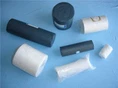


As a supplier of Dental Rolls, I often encounter questions from customers regarding the sterility of our products. This is a crucial topic in the dental industry, as the use of sterile dental rolls is essential for maintaining a high standard of patient safety and preventing cross - contamination. In this blog, I will delve into the details of dental roll sterility, exploring how it is achieved, why it matters, and what you should look for when purchasing these products.
What are Dental Rolls?
First, let's briefly define what dental rolls are. Dental rolls, also known as Cotton Wool Roll, are small, cylindrical pieces of cotton wool that are commonly used in dental procedures. They serve multiple purposes, such as absorbing saliva, isolating teeth, and providing a dry field for dental work. Whether it's during a simple filling, a root canal treatment, or other dental surgeries, dental rolls play a vital role in ensuring the success of the procedure.
The Importance of Sterility in Dental Rolls
The oral cavity is a complex environment filled with various microorganisms. When performing dental procedures, any breach in sterility can introduce harmful bacteria or viruses into the body, leading to infections or other complications. For instance, if a non - sterile dental roll is used during a tooth extraction or a periodontal surgery, it could potentially transfer bacteria from the cotton onto the open wound, increasing the risk of post - operative infection.
In addition to patient safety, sterility is also a matter of regulatory compliance. Dental clinics and professionals are required to adhere to strict hygiene standards set by regulatory bodies such as the Centers for Disease Control and Prevention (CDC) and the Food and Drug Administration (FDA). Failure to use sterile dental products can result in legal consequences and damage to the reputation of the dental practice.
How are Dental Rolls Made Sterile?
There are several methods used to sterilize dental rolls, each with its own advantages and limitations. The most common methods include:
Autoclaving
Autoclaving is a widely used method for sterilizing dental instruments and supplies. It involves subjecting the dental rolls to high - pressure steam at temperatures typically around 121 - 134°C for a specific period, usually 15 - 30 minutes. The high temperature and pressure effectively kill all forms of microorganisms, including bacteria, viruses, and spores.
The advantage of autoclaving is its effectiveness in achieving complete sterility. However, it can be time - consuming, and the high - temperature steam can sometimes damage the texture or integrity of the cotton in the dental rolls.
Gamma Irradiation
Gamma irradiation is another method for sterilizing dental rolls. This process uses high - energy gamma rays to penetrate the cotton and destroy the DNA of microorganisms, preventing them from reproducing. Gamma irradiation is a cold - sterilization method, which means it does not generate heat, reducing the risk of damage to the product.
One of the key benefits of gamma irradiation is its ability to penetrate packaging materials, allowing the dental rolls to be sterilized while still in their sealed packages. This helps to maintain sterility until the moment of use. However, gamma irradiation requires specialized equipment and facilities, and there may be concerns about potential changes in the chemical properties of the cotton over time.
Ethylene Oxide (ETO) Sterilization
Ethylene oxide is a gas that is used to sterilize heat - sensitive medical products, including dental rolls. ETO sterilization works by disrupting the metabolic processes of microorganisms, effectively killing them.
The advantage of ETO sterilization is that it can be used at relatively low temperatures, minimizing damage to the product. However, ETO is a toxic gas, and the sterilization process requires careful handling and ventilation to ensure the safety of workers. Additionally, there is a required aeration period after ETO sterilization to remove any residual ethylene oxide from the product.
How to Determine if Dental Rolls are Sterile
When purchasing dental rolls, it is important to ensure that they are indeed sterile. Here are some ways to determine the sterility of dental rolls:
Check the Packaging
Sterile dental rolls are typically packaged in sealed, tamper - evident containers. The packaging should have clear labeling indicating that the product is sterile and the method of sterilization used. Look for phrases such as "sterile," "gamma - irradiated," or "autoclaved" on the label.
Look for Certifications
Reputable dental roll suppliers will have their products tested and certified by independent laboratories. Look for certifications from organizations such as the ISO (International Organization for Standardization) or the CE (Conformité Européene) mark, which indicate that the products meet certain quality and safety standards.
Check for the Expiration Date
Sterile dental rolls have an expiration date, which is determined by the manufacturer based on the stability of the sterilization process. Using expired dental rolls can increase the risk of contamination, so always check the expiration date before use.
Our Commitment as a Dental Roll Supplier
As a leading Dental Roll supplier, we take the sterility of our products very seriously. We use state - of - the - art sterilization methods, including gamma irradiation, to ensure that our dental rolls are free from all forms of microorganisms. Our products are rigorously tested by independent third - party laboratories to meet the highest quality and safety standards.
We also understand the importance of proper packaging. Our dental rolls are packaged in sealed, medical - grade plastic containers that are designed to maintain sterility until the moment of use. The packaging is clearly labeled with information about the product, including the method of sterilization, expiration date, and storage instructions.
Encouraging Contact for Purchasing
If you are in the market for high - quality, sterile dental rolls, we invite you to contact us for more information. Our team of experts is ready to assist you in finding the right dental rolls for your specific needs. Whether you are a small dental clinic or a large dental hospital, we can provide you with the quantity and quality of products that you require.


Don't compromise on the safety and quality of your dental procedures. Choose our dental rolls and ensure the best possible outcome for your patients. Contact us today to start a purchase negotiation and experience the difference in product quality and service that we offer.
References
- Centers for Disease Control and Prevention (CDC). Guidelines for infection control in dental health - care settings.
- Food and Drug Administration (FDA). Dental products and regulatory requirements.
- International Organization for Standardization (ISO). Standards for medical devices and dental supplies.