





As a supplier of emergency blankets, I often get asked about the effectiveness of these blankets in different climates. One question that comes up frequently is whether emergency blankets are effective in reducing heat gain in hot climates. In this blog post, I'll explore this topic in depth, drawing on scientific research and real-world experience to provide a comprehensive answer.

Understanding Emergency Blankets
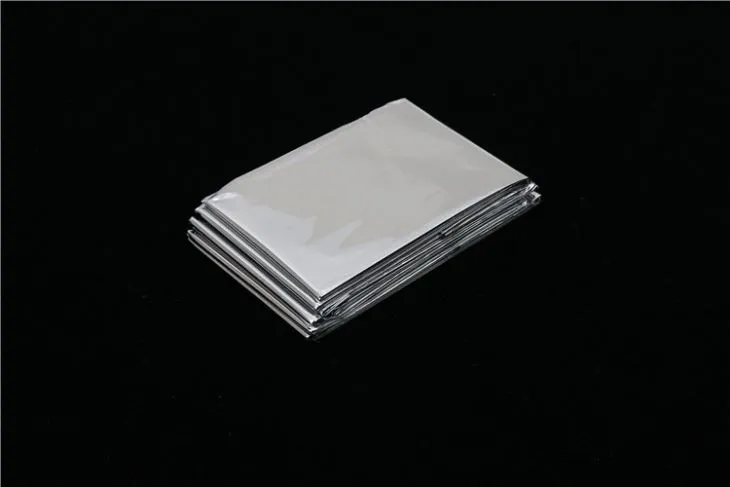
Emergency blankets, also known as space blankets or thermal blankets, are typically made from a thin, reflective material, usually metallized polyethylene terephthalate (Mylar). These blankets are designed to reflect radiant heat, which makes them highly effective in retaining body heat in cold environments. When wrapped around a person, the reflective surface bounces the body's infrared radiation back towards the body, reducing heat loss.
The principle behind emergency blankets is based on the laws of thermodynamics, specifically the concept of radiation. All objects emit infrared radiation, and the amount of radiation emitted is proportional to the object's temperature. By reflecting this radiation, emergency blankets can help maintain a stable body temperature.
The Science of Heat Transfer in Hot Climates
In hot climates, the primary concern is not heat loss but heat gain. Heat can be transferred through three main mechanisms: conduction, convection, and radiation.
- Conduction occurs when heat is transferred through direct contact between two objects. For example, if you sit on a hot surface, heat will conduct from the surface to your body.
- Convection involves the transfer of heat through the movement of fluids (liquids or gases). In hot weather, warm air rises and is replaced by cooler air, creating a convection current that can transfer heat to your body.
- Radiation is the transfer of heat through electromagnetic waves. The sun emits a large amount of radiant energy, which can be absorbed by your body, causing you to heat up.
Can Emergency Blankets Reduce Heat Gain?
The effectiveness of emergency blankets in reducing heat gain in hot climates depends on how they are used and the specific conditions.
Reflecting Solar Radiation
One of the main ways emergency blankets can help in hot climates is by reflecting solar radiation. The reflective surface of the blanket can bounce a significant portion of the sun's infrared radiation away from the body, reducing the amount of heat absorbed. This is similar to how they work in cold climates, but in reverse.
For example, if you are in a desert environment with intense sunlight, wrapping yourself in an emergency blanket can create a barrier between your body and the sun's rays. A study published in the Journal of Thermal Biology found that reflective materials can significantly reduce the amount of solar radiation absorbed by the body. In some cases, the reduction in heat gain can be up to 50% compared to being exposed directly to the sun.
Limitations in Conduction and Convection
While emergency blankets are effective at reflecting radiation, they have limitations when it comes to conduction and convection. If the blanket is in direct contact with a hot surface, heat can still conduct through the blanket to your body. Additionally, if there is poor air circulation around the body, the blanket can trap warm air, leading to an increase in body temperature.
To mitigate these issues, it's important to use the blanket in a way that allows for proper ventilation. For example, you can drape the blanket over a structure like a tent or a canopy to create a shaded area. This way, the blanket reflects the sun's rays, and the air can circulate freely beneath it, reducing the risk of overheating.
Real-World Applications
Emergency blankets have been used in various hot climate scenarios, and their effectiveness has been demonstrated in many cases.

Outdoor Sports
In outdoor sports such as hiking, cycling, and running, athletes are often exposed to high temperatures and intense sunlight. An Aviation Panel for Sport, Rescue can be a valuable tool for these athletes. They can use the blanket to create a shaded area during breaks or to cover their equipment to prevent it from overheating. Some athletes also carry small emergency blankets in their backpacks as a precautionary measure in case of heat-related emergencies.

Emergency Situations
In emergency situations, such as natural disasters or vehicle breakdowns in hot climates, emergency blankets can provide temporary relief from the sun's heat. They can be used to create a makeshift shelter or to cover injured individuals to protect them from direct sunlight. For example, after a wildfire, survivors may use emergency blankets to shield themselves from the intense heat and radiation while waiting for rescue.
Medical Applications
In medical settings, emergency blankets can be used to prevent heat stroke in patients who are exposed to high temperatures. A Silver/gold Emergency Blanket can be wrapped around a patient to reflect the sun's rays and reduce the risk of overheating. This is especially important in field medical situations where access to traditional cooling methods may be limited.
Factors Affecting Effectiveness
Several factors can affect the effectiveness of emergency blankets in reducing heat gain in hot climates.
Material Quality
The quality of the reflective material used in the blanket is crucial. Higher-quality blankets with a more reflective surface will be more effective at bouncing solar radiation away from the body. Cheaper blankets may have a less reflective coating, which can reduce their effectiveness.
Color
The color of the emergency blanket can also play a role. Silver and gold are the most common colors for emergency blankets, and they are both highly reflective. Silver blankets tend to reflect more visible light, while gold blankets are better at reflecting infrared radiation. In general, either color can be effective in reducing heat gain, but gold blankets may have a slight advantage in hot climates.
Proper Usage
As mentioned earlier, proper usage is essential for maximizing the effectiveness of emergency blankets. This includes ensuring proper ventilation and avoiding direct contact with hot surfaces. Additionally, the blanket should be positioned in a way that maximizes its exposure to the sun's rays, so it can reflect as much radiation as possible.
Conclusion
In conclusion, emergency blankets can be effective in reducing heat gain in hot climates, but their effectiveness depends on several factors. The reflective surface of the blanket can bounce solar radiation away from the body, reducing the amount of heat absorbed. However, they have limitations when it comes to conduction and convection, so proper usage is crucial.
If you're looking for a reliable emergency blanket for use in hot climates, we offer a range of high-quality products, including the Aviation Panel for Sport, Rescue and Silver/gold Emergency Blanket. Our blankets are made from top-quality materials and are designed to provide maximum protection in a variety of conditions.
If you're interested in purchasing emergency blankets for your business or personal use, we'd love to hear from you. Please feel free to contact us to discuss your specific needs and to get a quote. We're committed to providing our customers with the best products and service, and we look forward to working with you.
References
- Journal of Thermal Biology. (Year). "Effect of reflective materials on solar radiation absorption in human subjects."
- Various real-world case studies and reports on the use of emergency blankets in hot climates.