





Are Gauze Balls Hypoallergenic?
As a supplier of gauze balls, I've encountered numerous inquiries regarding the hypoallergenic properties of our products. This topic is of utmost importance, especially in industries where skin contact is frequent, such as healthcare, beauty, and personal care. In this blog, we'll delve into the science behind gauze balls, explore factors that contribute to their potential allergenicity, and determine whether they can be considered hypoallergenic.
Understanding Gauze Balls
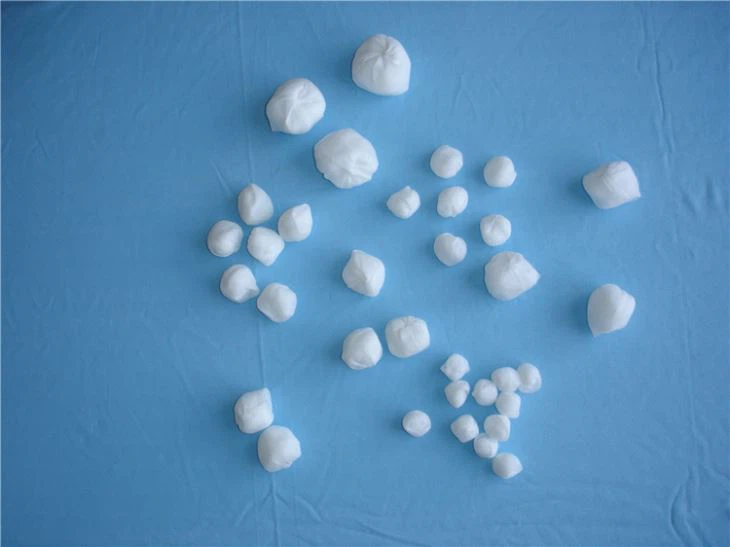
Gauze balls are small, soft, and absorbent balls made from various materials, primarily cotton and non-woven fabrics. They are widely used for a range of purposes, including wound dressing, makeup removal, skincare, and cleaning. The versatility of gauze balls makes them a staple in many households and professional settings.
At our company, we offer a variety of gauze balls to meet different customer needs, including Non-sterile Non-woven Gauze Ball, Non-sterile Gauze Ball, and Sterile Non-woven Gauze Ball. Our products are manufactured using high-quality materials and adhere to strict quality control standards to ensure safety and effectiveness.
Factors Affecting Allergenicity
To determine whether gauze balls are hypoallergenic, it's essential to understand the factors that can contribute to allergic reactions. Here are some key considerations:
Material Composition
The primary material used in gauze balls plays a significant role in their allergenicity. Cotton is a natural fiber that is generally well-tolerated by most people. It is breathable, soft, and less likely to cause irritation. However, some individuals may be allergic to cotton, although this is relatively rare.
Non-woven fabrics, on the other hand, are synthetic materials made from fibers bonded together through various processes. These fabrics can be made from a variety of polymers, such as polyester, polypropylene, or rayon. While non-woven fabrics offer advantages such as increased strength and absorbency, they may also pose a higher risk of allergic reactions, especially for individuals with sensitive skin.
Chemical Treatments
Gauze balls may undergo various chemical treatments during the manufacturing process to enhance their properties, such as disinfection, softening, or antibacterial protection. These treatments can include the use of chemicals like bleach, dyes, fragrances, and preservatives. While these chemicals are generally used in small amounts and are considered safe, they can potentially trigger allergic reactions in some individuals.
Manufacturing Processes
The manufacturing process can also impact the allergenicity of gauze balls. Poor manufacturing practices, such as improper cleaning of equipment or contamination during production, can introduce foreign particles or microorganisms into the product, increasing the risk of allergic reactions.
Hypoallergenic Gauze Balls: Fact or Fiction?
While it's difficult to claim that all gauze balls are completely hypoallergenic, there are steps that manufacturers can take to minimize the risk of allergic reactions. Here are some features to look for when choosing hypoallergenic gauze balls:
Natural Materials
Opt for gauze balls made from natural materials, such as 100% cotton. Natural fibers are generally less likely to cause irritation and are more breathable, allowing the skin to breathe and reducing the risk of moisture buildup.
Chemical-Free
Choose gauze balls that are free from harsh chemicals, dyes, fragrances, and preservatives. These additives can trigger allergic reactions, especially in individuals with sensitive skin. Look for products that are labeled as "hypoallergenic," "fragrance-free," or "chemical-free."
Sterile Options
If you're using gauze balls for medical or wound care purposes, consider using sterile options. Sterile gauze balls are free from bacteria and other microorganisms, reducing the risk of infection and allergic reactions.
Quality Manufacturing
Ensure that the gauze balls are manufactured by a reputable company that follows strict quality control standards. Look for products that are tested and certified to meet industry standards for safety and performance.
Our Commitment to Hypoallergenic Products
As a responsible supplier of gauze balls, we are committed to providing our customers with high-quality, hypoallergenic products. Here's how we ensure the safety and effectiveness of our gauze balls:
Premium Materials
We source our materials from trusted suppliers and use only the highest quality cotton and non-woven fabrics in our products. Our cotton gauze balls are made from 100% natural cotton, while our non-woven gauze balls are made from medical-grade polymers that are safe and hypoallergenic.
Chemical-Free Manufacturing
We avoid using harsh chemicals, dyes, fragrances, and preservatives in our manufacturing processes. Our gauze balls are free from any potential allergens, making them suitable for individuals with sensitive skin.
Strict Quality Control
We have a rigorous quality control system in place to ensure that our products meet the highest standards of safety and performance. Our gauze balls are tested for absorbency, strength, and purity before they are released to the market.
Contact Us for Purchasing Inquiries
If you're interested in purchasing high-quality, hypoallergenic gauze balls for your business or personal use, we'd love to hear from you. Our team of experts is available to answer any questions you may have and provide you with detailed product information and pricing. Contact us today to discuss your requirements and start a partnership with us.

References
- Product information from leading medical suppliers and manufacturers
- Studies on the allergenicity of cotton and non-woven materials
- Industry standards and guidelines for the manufacturing of medical products