


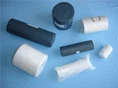




As a supplier of gauze balls, I often encounter questions from customers regarding the materials used in their production. One of the most frequently asked questions is whether gauze balls are made from natural materials. In this blog post, I will delve into this topic, exploring the different types of materials used in gauze balls and the benefits they offer.


Understanding Gauze Balls
Gauze balls are small, absorbent balls made from various materials, primarily used for medical, cosmetic, and household purposes. They are designed to absorb liquids, clean surfaces, and apply substances such as medications, creams, and lotions. Gauze balls come in different sizes, thicknesses, and levels of absorbency to meet the diverse needs of users.
Materials Used in Gauze Balls
Gauze balls can be made from a variety of materials, both natural and synthetic. Each material has its own unique properties and advantages, making it suitable for different applications.
Natural Materials
- Cotton: Cotton is one of the most commonly used natural materials in gauze balls. It is soft, absorbent, and hypoallergenic, making it ideal for use on sensitive skin. Cotton gauze balls are also breathable, allowing air to circulate and preventing the buildup of moisture, which can lead to skin irritation. They are often used in medical settings for wound care, as well as in cosmetic applications such as removing makeup and applying skincare products.
- Rayon: Rayon is a semi - synthetic fiber made from natural cellulose, usually derived from wood pulp. It is soft, smooth, and highly absorbent, similar to cotton. Rayon gauze balls are often used in combination with other materials to enhance their absorbency and softness. They are commonly used in cosmetic and household applications due to their affordability and effectiveness.
Synthetic Materials
- Non - woven Polypropylene: Non - woven polypropylene is a synthetic material that is widely used in the production of gauze balls. It is strong, durable, and resistant to tearing, making it suitable for heavy - duty applications. Non - woven polypropylene gauze balls are also highly absorbent and can be easily sterilized, making them a popular choice in medical settings. They are available in both sterile and non - sterile options. You can find our Sterile Non - woven Gauze Ball and Non - sterile Non - woven Gauze Ball on our website.
- Polyester: Polyester is another synthetic material used in gauze balls. It is strong, wrinkle - resistant, and quick - drying. Polyester gauze balls are often used in combination with other materials to improve their strength and durability. They are commonly used in industrial and household cleaning applications.
Benefits of Natural Material Gauze Balls
- Hypoallergenic: As mentioned earlier, natural materials such as cotton are hypoallergenic, which means they are less likely to cause allergic reactions. This makes them suitable for people with sensitive skin or allergies.
- Biodegradable: Natural materials like cotton and rayon are biodegradable, which is an important consideration in today's environmentally conscious world. Biodegradable gauze balls break down naturally over time, reducing their impact on the environment.
- Softness and Comfort: Natural materials are generally softer and more comfortable to use on the skin compared to synthetic materials. This is especially important when using gauze balls on delicate areas such as the face and eyes.
Benefits of Synthetic Material Gauze Balls
- Strength and Durability: Synthetic materials such as non - woven polypropylene and polyester are stronger and more durable than natural materials. They can withstand heavy use and are less likely to tear or fall apart, making them suitable for demanding applications.
- Sterilization: Synthetic materials can be easily sterilized, which is crucial in medical settings. Sterile gauze balls are used to prevent the spread of infection and ensure the safety of patients. Our Sterile Gauze Ball is a great example of a high - quality, sterilized product.
- Cost - Effectiveness: Synthetic materials are often more cost - effective than natural materials, making them a popular choice for large - scale applications and budget - conscious customers.
Choosing the Right Gauze Ball
When choosing a gauze ball, it is important to consider the intended use, the sensitivity of the skin, and the level of absorbency required. For medical applications, sterile synthetic gauze balls are often the preferred choice due to their strength, durability, and sterility. For cosmetic and household use, natural material gauze balls may be more suitable, especially for those with sensitive skin.
Conclusion
In conclusion, gauze balls can be made from both natural and synthetic materials, each with its own set of benefits. As a supplier, we offer a wide range of gauze balls to meet the diverse needs of our customers. Whether you are looking for a soft, hypoallergenic cotton gauze ball for your sensitive skin or a strong, sterile non - woven polypropylene gauze ball for medical use, we have the right product for you.
If you are interested in purchasing our gauze balls or have any questions about our products, please feel free to reach out to us for a purchase negotiation. We are committed to providing high - quality products and excellent customer service.
References
- "Textile Fibers: Natural and Synthetic", Textile Institute, 2020
- "Medical Textiles: Materials, Properties, and Applications", Woodhead Publishing, 2018