





Are Lap Sponges Biodegradable?
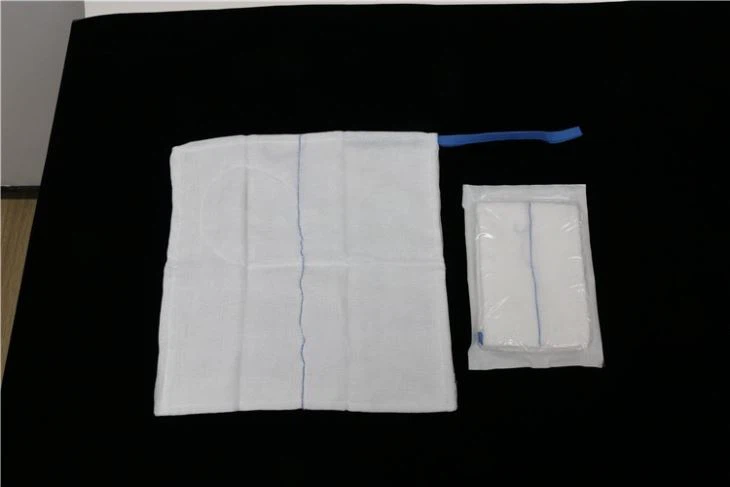

As a supplier of lap sponges, I often get asked about the biodegradability of these essential medical supplies. Lap sponges are widely used in surgical procedures to absorb blood and other fluids, and their environmental impact is becoming an increasingly important consideration. In this blog post, I'll explore the question of whether lap sponges are biodegradable, the factors that affect their biodegradability, and the implications for the medical industry.
What Are Lap Sponges?
Lap sponges, also known as surgical sponges or laparotomy sponges, are large, absorbent pads used in surgical settings. They are typically made from cotton or a cotton blend and are designed to be highly absorbent, soft, and lint-free. Lap sponges come in various sizes and shapes, and they can be either Sterile Lap Sponge or Non-sterile Lap Sponge. Sterile lap sponges are used in invasive surgical procedures to prevent infection, while non-sterile sponges may be used in less critical settings or for pre-operative preparation.
Biodegradability of Lap Sponges
The biodegradability of lap sponges depends on several factors, including the materials used in their construction, the conditions under which they are disposed of, and the presence of any additives or treatments.
Materials
Most traditional lap sponges are made from cotton, which is a natural fiber derived from the cotton plant. Cotton is biodegradable, meaning it can be broken down by microorganisms in the environment over time. However, the rate of biodegradation can vary depending on the specific conditions. In a composting environment with the right balance of moisture, oxygen, and temperature, cotton can break down relatively quickly, usually within a few months to a year.
Some lap sponges may also contain synthetic fibers or blends. Synthetic fibers such as polyester or nylon are not biodegradable in the same way as natural fibers. These materials can persist in the environment for hundreds of years, contributing to pollution and waste accumulation. When considering the biodegradability of lap sponges, it's important to know the exact composition of the product.
Disposal Conditions
The way lap sponges are disposed of also plays a crucial role in their biodegradability. If lap sponges are discarded in a landfill, they may not biodegrade as efficiently as they would in a composting environment. Landfills are often anaerobic (lacking oxygen), which can slow down the decomposition process. Additionally, the presence of other waste materials and the limited access to microorganisms can further inhibit biodegradation.
On the other hand, if lap sponges are sent to a proper composting facility, where the conditions are optimized for decomposition, the natural cotton fibers can break down more rapidly. However, it's important to note that medical waste, including used lap sponges, is subject to strict regulations due to the potential for contamination with blood, bodily fluids, and pathogens. In most cases, used lap sponges are considered medical waste and must be disposed of in accordance with local and national regulations, which often involve incineration or other specialized treatment methods to ensure safety.
Additives and Treatments
Lap sponges may be treated with various additives or chemicals to enhance their performance. For example, some sponges may be treated with antimicrobial agents to prevent the growth of bacteria, or they may have a hydrophobic coating to improve fluid absorption. These additives can affect the biodegradability of the sponges. Antimicrobial agents may inhibit the growth of the very microorganisms responsible for biodegradation, while hydrophobic coatings may prevent the natural fibers from coming into contact with the environment and being broken down.
Implications for the Medical Industry
The question of lap sponge biodegradability has significant implications for the medical industry. As the world becomes more environmentally conscious, there is a growing demand for sustainable medical products. Healthcare facilities are under increasing pressure to reduce their environmental impact and adopt more sustainable practices.
Environmental Impact
The use of non - biodegradable lap sponges contributes to the growing problem of medical waste. Medical waste is a significant source of pollution, and the accumulation of non - biodegradable materials in landfills or the environment can have long - term consequences. By choosing biodegradable lap sponges, healthcare providers can reduce their contribution to environmental pollution and help preserve natural resources.
Regulatory Requirements
In addition to environmental concerns, there are also regulatory requirements that healthcare facilities must comply with when it comes to medical waste disposal. As regulations become more stringent, there may be a greater emphasis on using biodegradable or easily disposable medical products. This could lead to changes in the way lap sponges are manufactured and disposed of in the future.
Cost Considerations
One of the challenges in promoting the use of biodegradable lap sponges is the cost. Biodegradable materials and sustainable manufacturing processes may be more expensive than traditional methods. However, as the demand for these products increases, economies of scale may come into play, potentially reducing the cost difference over time. Healthcare facilities need to weigh the environmental benefits against the cost implications when making purchasing decisions.
Conclusion
In conclusion, the biodegradability of lap sponges is a complex issue that depends on multiple factors. Traditional cotton lap sponges have the potential to be biodegradable, but the presence of synthetic fibers, additives, and the disposal conditions can all affect the rate and extent of biodegradation.
As a lap sponge supplier, I'm committed to providing products that meet the needs of the medical industry while also considering the environmental impact. We are constantly exploring new materials and manufacturing techniques to develop more sustainable lap sponges. For example, we are researching ways to use more natural and biodegradable materials, as well as reducing the use of additives and treatments that may inhibit biodegradation.
If you're in the market for lap sponges and are interested in more sustainable options, I encourage you to reach out to discuss your specific requirements. We can work together to find the best solution that balances performance, safety, and environmental responsibility. Whether you need Sterile Lap Sponge or Non-sterile Lap Sponge, we're here to help. Contact us to start a conversation about your lap sponge needs and explore the possibilities of more sustainable medical supplies.
References
- Environmental Protection Agency. (n.d.). Medical Waste Management. Retrieved from [EPA website]
- American Journal of Infection Control. (Various issues). Research on medical waste disposal and infection control.
- Journal of Environmental Science and Health. (Various issues). Studies on the biodegradation of natural and synthetic fibers.