








In the realm of absorbent materials, cotton wool rolls have long held a prominent position, finding extensive use in various industries such as healthcare, beauty, and household applications. As a well - established Cotton Wool Roll supplier, I have witnessed firsthand the widespread demand for these versatile products. However, with the ever - evolving nature of the market and the growing concerns regarding sustainability, cost, and specific application requirements, there is an increasing interest in exploring alternatives to cotton wool rolls.
Traditional Uses of Cotton Wool Rolls
Cotton wool rolls are renowned for their high absorbency, softness, and hypoallergenic properties. In the healthcare sector, they are commonly used for wound care, where they can absorb blood and other bodily fluids. They are also a staple in dental procedures. A Dental Roll, which is a type of cotton wool roll, is placed in the patient's mouth to keep the area dry during dental work, ensuring better adhesion of fillings and other restorations.
In the beauty industry, cotton wool rolls are used for makeup removal, applying toners, and other skincare routines. They are gentle on the skin, making them suitable for even the most sensitive complexions. At home, people use them for cleaning, removing nail polish, and other minor household tasks.
Alternatives to Cotton Wool Rolls
Paper - based Products
One of the most prominent alternatives to cotton wool rolls is paper - based rolls. These are often made from bamboo or recycled paper. Bamboo paper is a sustainable option as bamboo is a fast - growing plant that requires minimal water and no pesticides. It is also naturally antibacterial, which can be beneficial in certain applications, such as wound care.
Recycled paper rolls, on the other hand, are an environmentally friendly choice as they help reduce waste. They can be just as absorbent as cotton wool rolls, depending on the type of paper used and the manufacturing process. However, they may not be as soft as cotton, which could be a drawback in applications where skin contact is frequent, such as beauty routines.
Synthetic Fibers
Synthetic fibers like polyester and nylon are also used to create absorbent rolls. These materials can be engineered to have high absorbency, and they are often more durable than cotton. For example, in industrial cleaning applications, synthetic fiber rolls can be used multiple times before being discarded.
However, synthetic fibers may not be as breathable as cotton, which can be a concern in healthcare applications where proper ventilation of wounds is crucial. Additionally, some people may have allergic reactions to synthetic materials, although this is relatively rare.
Cellulose Sponges
Cellulose sponges can be cut into roll - like shapes and used as an alternative to cotton wool rolls. They are highly absorbent and can hold a large amount of liquid. Cellulose is a natural material, usually derived from wood pulp, which gives it a certain level of environmental friendliness.
Cellulose sponges are also known for their scrubbing ability, which can be useful in cleaning applications. However, they may not be as soft as cotton wool rolls, and they can break down more quickly in wet conditions compared to cotton.
Advantages and Disadvantages of Alternatives
Advantages
- Sustainability: Many of the alternatives, such as bamboo paper and recycled paper, are more sustainable than cotton. Cotton cultivation often requires large amounts of water and pesticides, which can have a significant environmental impact.
- Cost - effectiveness: Some alternatives, like synthetic fibers, can be produced at a lower cost than cotton, making them an attractive option for businesses looking to reduce expenses.
- Specialized Properties: Alternatives can offer specialized properties. For example, synthetic fibers can be made to be more resistant to chemicals, which is useful in industrial settings.
Disadvantages
- Softness and Comfort: As mentioned earlier, many alternatives may not be as soft as cotton, which can be a drawback in applications where comfort is a priority, such as beauty and skincare.
- Allergenic Potential: While cotton is generally hypoallergenic, some alternatives, especially synthetic fibers, may cause allergic reactions in certain individuals.
- Performance in Specific Applications: In some cases, alternatives may not perform as well as cotton wool rolls. For example, a Cotton Wool Roll is still the preferred choice in dental procedures due to its ability to conform to the shape of the mouth and its high absorbency in a moist environment.
The Future of Cotton Wool Rolls and Their Alternatives
Despite the availability of alternatives, cotton wool rolls are likely to remain a popular choice in many applications. Their long - standing reputation for quality, safety, and performance cannot be easily replaced. However, the demand for alternatives is expected to grow, especially as consumers become more environmentally conscious and cost - sensitive.

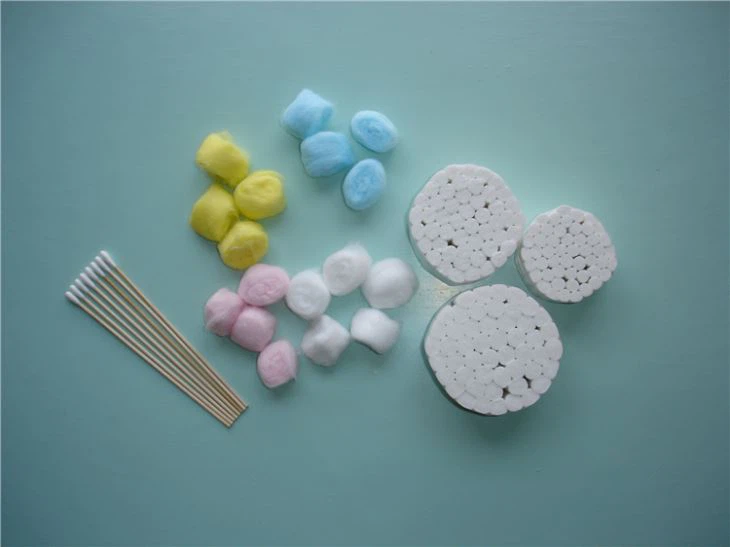
As a Cotton Wool Roll supplier, I am constantly monitoring these trends. We are also exploring the possibility of offering a range of alternative products to meet the diverse needs of our customers. Whether it's a more sustainable option for eco - friendly consumers or a cost - effective solution for budget - conscious businesses, we aim to provide the best products on the market.
Conclusion
In conclusion, while there are indeed alternatives to cotton wool rolls, each option comes with its own set of advantages and disadvantages. The choice between cotton wool rolls and their alternatives depends on the specific application, budget, and environmental considerations.
If you are in the market for high - quality absorbent products, whether it's traditional cotton wool rolls or one of the alternative options, I invite you to reach out for a procurement discussion. We can work together to find the best solution that meets your requirements.
References
- "The Handbook of Absorbent Materials", John Wiley & Sons
- "Sustainable Materials in the Healthcare Industry", Elsevier
- Industry reports from the beauty and healthcare sectors