






When it comes to chest injuries, the importance of immediate and proper first aid cannot be overstated. Chest injuries can range from minor abrasions to life - threatening conditions such as pneumothorax or hemothorax. In such critical situations, having the right first - aid bandages can make a significant difference in patient outcomes. As a first - aid bandage supplier, I am well - versed in the types of bandages suitable for chest injuries and their applications.
Understanding Chest Injuries
Chest injuries can occur due to various reasons, including blunt force trauma, penetrating injuries, or sudden pressure changes. Blunt force trauma, like being hit by a vehicle or falling from a height, can cause rib fractures, contusions, or internal organ damage. Penetrating injuries, such as stab or gunshot wounds, can directly damage the lungs, heart, or major blood vessels.
The symptoms of chest injuries can vary widely. Minor injuries may present with pain, bruising, and difficulty breathing. More severe injuries can lead to shortness of breath, rapid heart rate, coughing up blood, and even loss of consciousness. It is crucial to assess the severity of the injury quickly and provide appropriate first - aid treatment.
Types of First - Aid Bandages for Chest Injuries
Compression Bandages
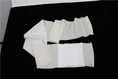
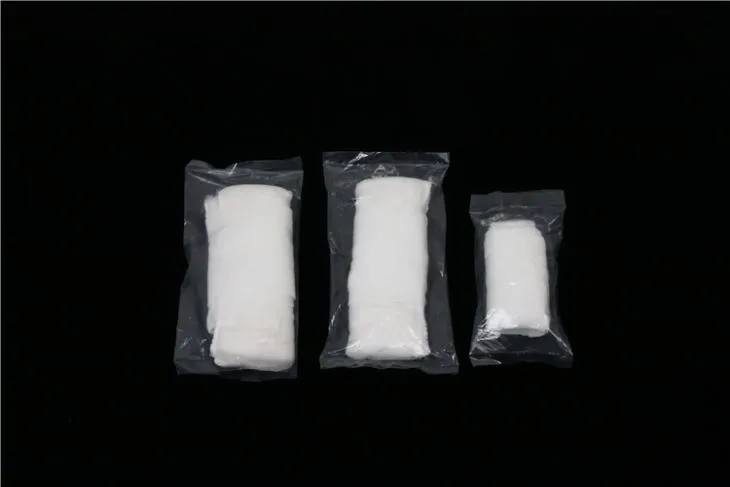
Compression bandages are commonly used for chest injuries. They help to control bleeding and reduce swelling. A well - applied compression bandage can also provide support to the injured area, minimizing movement and pain. Our 3 Inch First Aid Bandage is an excellent choice for chest injuries. It is made of high - quality elastic material that can conform to the body's contours, ensuring a secure and comfortable fit. The 3 - inch width is suitable for covering smaller areas of the chest, such as a single rib fracture or a small abrasion.
For larger areas of the chest, our 4 Inch First Aid Bandage is more appropriate. It can cover a wider expanse of the chest, providing more comprehensive compression and support. These bandages are designed to be breathable, allowing air to circulate and preventing skin irritation.
Occlusive Bandages
Occlusive bandages are essential for treating open chest wounds, especially those that may lead to a pneumothorax. A pneumothorax occurs when air enters the space between the lungs and the chest wall, causing the lung to collapse. An occlusive bandage can seal the wound, preventing further air from entering the chest cavity.
Our first - aid bandages can be used in combination with other first - aid techniques. For example, if a patient has an open chest wound, after applying an occlusive bandage, a compression bandage can be used to provide additional support and help control bleeding.
Application of First - Aid Bandages for Chest Injuries
When applying a bandage to a chest injury, it is important to follow the correct procedure. First, ensure that the wound is clean. If possible, gently clean the area with mild soap and water or a sterile saline solution. This helps to prevent infection.
For compression bandages, start at the bottom of the injury and wrap the bandage around the chest in a spiral motion. Make sure the bandage is snug but not too tight, as excessive tightness can restrict breathing. Secure the end of the bandage with tape or a clip.
In the case of an occlusive bandage for an open chest wound, place the bandage over the wound and seal it on three sides. This allows air to escape from the chest cavity but prevents air from entering, reducing the risk of a tension pneumothorax.
Importance of Quality First - Aid Bandages
Using high - quality first - aid bandages is crucial for effective treatment. Inferior bandages may not provide adequate compression, may not be breathable, or may not adhere properly. Our first - aid bandages are made from top - grade materials that are durable, flexible, and hypoallergenic. They are designed to meet the highest standards of quality and safety, ensuring that they can be relied upon in critical situations.
Training and Education
In addition to providing high - quality bandages, it is also important to educate people on how to use them correctly. We offer training resources and materials to help individuals, including first - responders, healthcare professionals, and the general public, learn how to apply first - aid bandages for chest injuries. Proper training can save lives and improve patient outcomes.

Contact for Purchase and Consultation
If you are interested in purchasing our first - aid bandages for chest injuries or have any questions about our products, please feel free to reach out. We are committed to providing the best products and services to meet your needs. Whether you are a hospital, a first - aid kit supplier, or an individual looking for reliable first - aid solutions, we can assist you.
References
- American Red Cross. First Aid and CPR/AED Participant's Manual.
- Trauma Association of America. Guidelines for the Management of Chest Injuries.
- World Health Organization. First Aid Training Materials.