





Hey there! As a supplier of sterile gauze balls, I often get asked this question: "Can sterile gauze balls be used for wound dressing?" Well, let's dive right into it and find out.
First off, let's understand what sterile gauze balls are. Sterile gauze balls are made from high - quality materials, usually cotton or non - woven fabrics, and they've been treated to eliminate all forms of microorganisms. This means they're super clean and ready to be used in a medical setting without the risk of introducing infections to a wound.
When it comes to wound dressing, using sterile gauze balls has a bunch of advantages. One of the main perks is preventing infections. Wounds are vulnerable to bacteria, fungi, and other germs. If these pathogens get into the wound, it can lead to all sorts of problems, like inflammation, slow healing, and even more serious complications. Since sterile gauze balls are free from these harmful bugs, they create a clean environment for the wound to heal.
Another great thing about sterile gauze balls is their absorbency. Wounds often secrete fluids, like blood and pus. Sterile gauze balls can soak up these fluids quickly, keeping the wound dry. A dry wound is less likely to develop infections and can heal faster. You don't want a wet and moist environment around the wound, as it can be a breeding ground for bacteria.
Sterile gauze balls are also very gentle on the skin. They won't stick to the wound like some other materials might. When it's time to change the dressing, you can remove the gauze ball without causing any additional pain or damage to the newly forming tissue. This is especially important for sensitive wounds or those that are in the early stages of healing.
Now, let's talk about the different types of gauze balls available. We have the Sterile Non - woven Gauze Ball. These are made from non - woven fabrics, which are often more absorbent and breathable than traditional cotton gauze. They're also very soft and can be easily molded to fit the shape of the wound.
On the other hand, there are non - sterile options. The Non - sterile Non - woven Gauze Ball and Non - sterile Gauze Ball are not recommended for open wounds. These are usually used for other purposes, like cleaning the skin around the wound or for non - medical cleaning tasks. Using non - sterile gauze on an open wound can increase the risk of infection, so it's important to choose the right type.
However, there are also some limitations to using sterile gauze balls for wound dressing. For very deep or large wounds, sterile gauze balls might not be enough on their own. In these cases, they can be used in combination with other wound - care products, like wound fillers or bandages. Also, if the wound is heavily infected, the doctor might need to use more advanced wound - care techniques and products.
When it comes to using sterile gauze balls, proper application is key. You should always wash your hands thoroughly before handling the gauze ball. Make sure the wound is clean before applying the dressing. Gently place the gauze ball on the wound and secure it with a bandage or tape. Change the dressing regularly, as recommended by a healthcare professional.
In some cases, people might be allergic to the materials used in sterile gauze balls. If you notice any signs of an allergic reaction, like itching, redness, or swelling around the wound, stop using the gauze ball and consult a doctor.
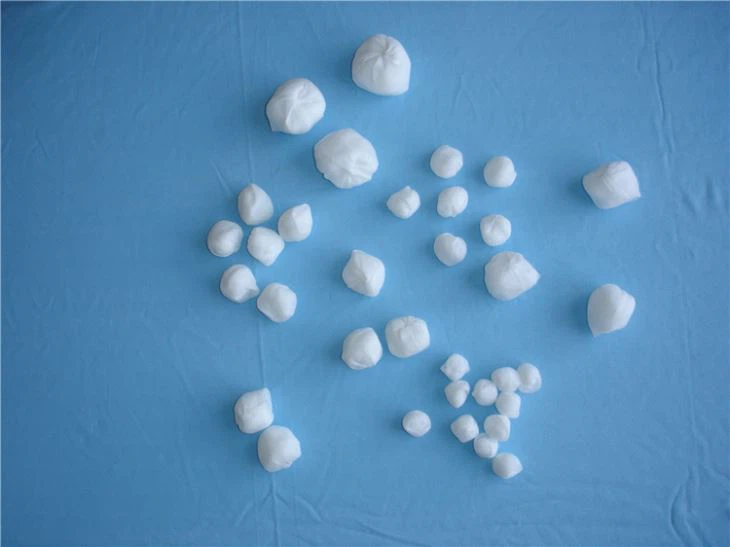
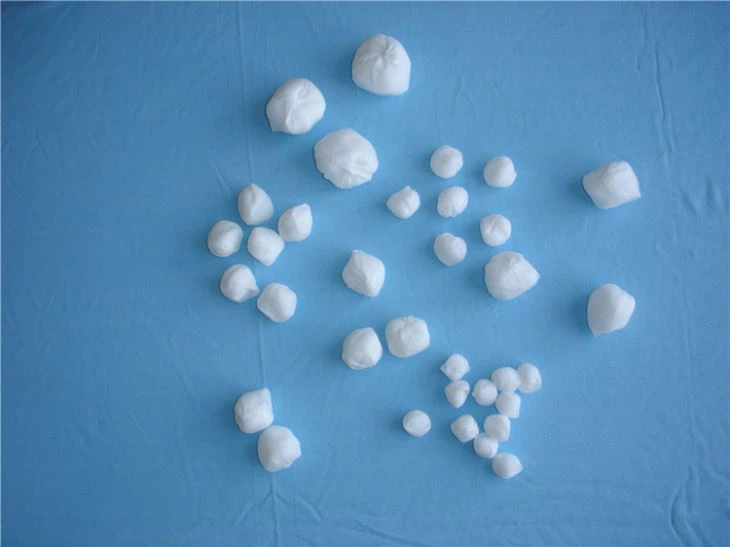
So, to answer the question "Can sterile gauze balls be used for wound dressing?" The answer is a big yes! They're a great option for most types of wounds, especially minor ones. They offer protection against infections, absorbency, and gentle care for the wound.
If you're in the market for high - quality sterile gauze balls, whether you're a medical professional, a first - aid kit supplier, or just someone who wants to be prepared for minor injuries at home, I'd love to have a chat with you. We can discuss your specific needs, quantities, and pricing. Don't hesitate to reach out and start a conversation about your procurement requirements.
References
- Medical Textbook on Wound Care
- Journal of Clinical Nursing regarding Wound Dressing Materials