








As a leading supplier of Cotton Wool Roll, I've been often asked about the antibacterial properties of our products. This question is not only relevant to our customers' understanding of the product but also crucial for various industries, especially the medical and dental sectors. In this blog, we'll delve into the science behind cotton wool rolls and their potential antibacterial capabilities.
Understanding Cotton Wool Rolls
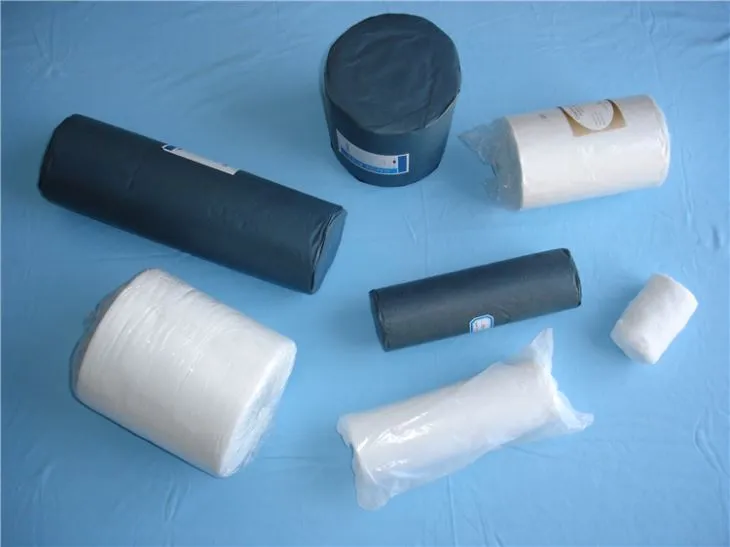
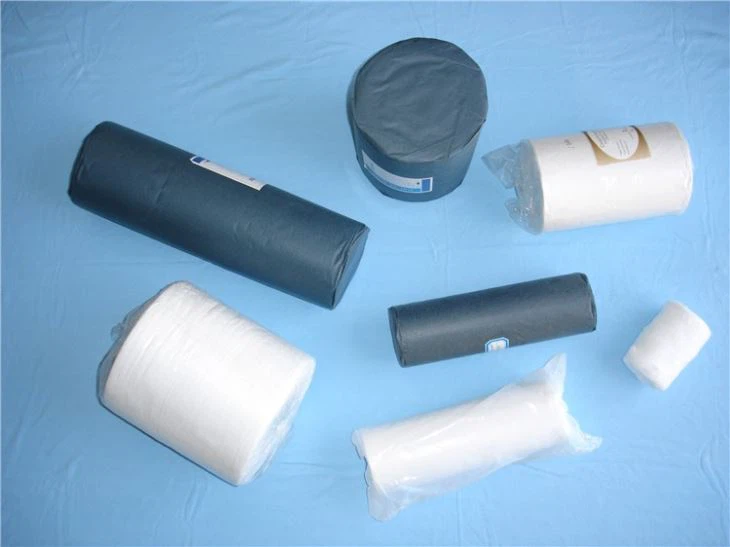
Cotton wool rolls are made from natural cotton fibers. Cotton is a widely used material due to its softness, absorbency, and breathable nature. These rolls are commonly used in a variety of applications. In the medical field, they are used for wound dressing, as they can absorb blood and other bodily fluids. In the dental industry, Dental Roll variants are used to absorb saliva and keep the working area dry during dental procedures.
The Natural State of Cotton and Antibacterial Properties
Pure cotton in its natural state does not possess inherent antibacterial properties. Cotton fibers are mainly composed of cellulose, a complex carbohydrate. Cellulose itself does not have any direct antibacterial action. However, it provides a physical barrier that can prevent some microorganisms from direct contact with the skin or the wound area.
When a cotton wool roll is placed on a wound, for example, it creates a layer between the external environment and the damaged tissue. This can reduce the chance of external bacteria reaching the wound, but it does not actively kill or inhibit the growth of bacteria.
Processed Cotton Wool Rolls and Antibacterial Treatments
To enhance the functionality of cotton wool rolls, some manufacturers, including us, offer products that have been treated with antibacterial agents. These treatments can significantly improve the antibacterial performance of the cotton wool rolls.
One common antibacterial treatment is the use of silver nanoparticles. Silver has long been known for its antibacterial properties. When silver nanoparticles are incorporated into the cotton fibers, they can release silver ions. These ions can interact with the cell membranes of bacteria, disrupting their normal functions and ultimately leading to their death.
Another treatment method involves the use of plant - based antibacterial agents. Some plant extracts, such as tea tree oil, have natural antibacterial properties. When cotton wool rolls are treated with these extracts, they can offer a more natural alternative for antibacterial protection.
Evidence from Scientific Studies
Scientific studies have provided some evidence of the antibacterial efficacy of processed cotton wool rolls. In a study published in the Journal of Biomedical Materials Research, researchers tested the antibacterial properties of silver - treated cotton fibers against common bacteria such as Staphylococcus aureus and Escherichia coli. The results showed that the silver - treated cotton had a significant inhibitory effect on the growth of both types of bacteria.
Similarly, studies on plant - extract treated cotton have also shown promising results. For example, tea tree oil - treated cotton has been found to be effective against a range of gram - positive and gram - negative bacteria.
Benefits of Antibacterial Cotton Wool Rolls
In medical applications, antibacterial cotton wool rolls can play a vital role in preventing wound infections. By reducing the number of bacteria in the wound area, these rolls can promote faster healing and reduce the risk of complications.
In the dental field, antibacterial dental rolls can help maintain a sterile environment during dental treatments. They can prevent the growth of oral bacteria, which can contaminate fillings, crowns, or other dental restorations. This can improve the overall success rate of dental procedures and patient satisfaction.
Limitations and Considerations
While antibacterial cotton wool rolls have many benefits, it's important to note their limitations. Antibacterial treatments may not be effective against all types of bacteria. Some bacteria may develop resistance to the antibacterial agents over time.
Moreover, the antibacterial efficacy of the rolls can also be affected by various factors such as the concentration of the antibacterial agent, the duration of use, and the storage conditions. For example, if the cotton wool rolls are stored in a humid environment, the antibacterial agent may degrade, reducing its effectiveness.
Quality Assurance and Standards
As a supplier, we are committed to providing high - quality antibacterial cotton wool rolls. Our products undergo rigorous quality control measures. We ensure that the antibacterial agents used in our products meet international standards and are safe for use.
All our antibacterial cotton wool rolls are tested in our in - house laboratory and also by third - party testing agencies. We follow strict manufacturing processes to ensure that the antibacterial treatment is evenly distributed throughout the cotton fibers, providing consistent antibacterial protection.
Customer Applications and Feedback
Our customers in the medical and dental industries have provided positive feedback on our antibacterial cotton wool rolls. Medical professionals have reported a decrease in wound infection rates when using our products for wound dressings. Dental clinics have noticed a cleaner working environment and fewer complications during dental procedures.
Contact Us for Purchase and Consultation
If you're interested in our antibacterial or regular Cotton Wool Roll products, we invite you to reach out to us. Whether you're a medical institution, a dental clinic, or a distributor, we can offer you competitive prices and high - quality products.
We understand that different industries have different requirements, and we're more than happy to discuss your specific needs with you. Our team of experts can provide you with detailed information about the product specifications, antibacterial capabilities, and application guidelines.
References
- Journal of Biomedical Materials Research. (Year). Antibacterial properties of silver - treated cotton fibers.
- Studies on plant - extract treated cotton in dental and medical applications (Year). [Citation details]