







Do Israeli Bandages have any side effects?
As a supplier of Israeli Bandages, I've encountered numerous inquiries about the potential side effects of these life - saving products. Israeli Bandages, also known as Israeli Trauma Dressing Bandages, have gained widespread recognition for their effectiveness in controlling severe bleeding, especially in combat and emergency medical situations. In this blog, I'll explore whether these bandages come with any side effects, based on scientific research and real - world experiences.
Understanding Israeli Bandages
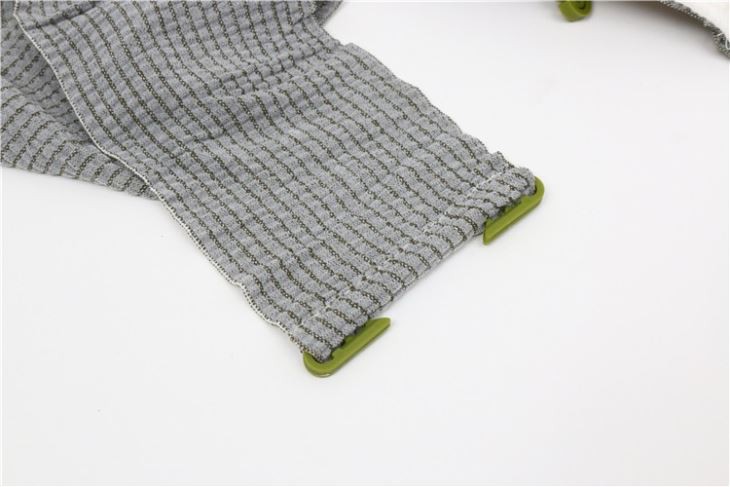
Israeli Bandages are specifically designed to address the critical need for rapid and effective hemorrhage control. They typically consist of a large, absorbent dressing pad attached to an elastic bandage. The dressing pad is often impregnated with hemostatic agents that help promote blood clotting, while the elastic bandage allows for easy application and can be tightened to apply pressure to the wound.
There are different sizes available in the market, such as the 6 Inch Israeli Trauma Dressing Bandage and the 4 Inch Israeli Trauma Dressing Bandage. The Military Trauma Bandage is another variant that is commonly used by military personnel due to its robust design and high - performance features.
Potential Side Effects
Allergic Reactions
One of the possible side effects associated with Israeli Bandages is an allergic reaction. The materials used in the bandage, including the dressing pad, the elastic bandage, and any hemostatic agents, can potentially trigger an allergic response in some individuals. For example, some people may be allergic to the adhesives used in the bandage, which can cause skin irritation, redness, itching, or in severe cases, blistering.
Hemostatic agents, such as chitosan - based compounds, are often used in Israeli Bandages to promote blood clotting. While chitosan is generally considered safe and biocompatible, a small percentage of the population may have an allergic reaction to it. However, such allergic reactions are relatively rare.
Tissue Damage
If the elastic bandage is applied too tightly, it can cause tissue damage. Excessive pressure can restrict blood flow to the area around the wound, leading to ischemia (lack of blood supply) and potentially causing nerve damage, muscle damage, or even tissue death in severe cases. This is why it's crucial to follow the proper application instructions when using an Israeli Bandage. The bandage should be tight enough to control bleeding but not so tight that it cuts off circulation completely.
Infection
Although Israeli Bandages are designed to help prevent infection by controlling bleeding and providing a barrier to external contaminants, there is still a risk of infection. If the bandage is not applied properly or if it becomes wet or dirty, bacteria can grow on the dressing pad and enter the wound. Additionally, if the wound is not cleaned thoroughly before applying the bandage, existing bacteria in the wound can multiply and cause an infection.

Foreign Body Reaction
In some cases, the body may have a foreign body reaction to the bandage materials. This can occur when the immune system recognizes the bandage as a foreign object and mounts an inflammatory response. Symptoms of a foreign body reaction may include swelling, pain, and the formation of a granuloma (a small mass of inflamed tissue) around the wound.
Minimizing Side Effects
To minimize the risk of side effects when using Israeli Bandages, it's important to take the following precautions:
- Proper Training: Ensure that users are properly trained in the correct application of the bandage. This includes knowing how to clean the wound, how to apply the bandage at the right tension, and how to monitor the wound for signs of complications.
- Allergy Testing: If possible, perform an allergy test on a small area of the skin before applying the bandage to a larger wound. This can help identify any potential allergic reactions early on.
- Regular Monitoring: After applying the bandage, regularly monitor the wound and the surrounding area for signs of infection, tissue damage, or allergic reactions. If any problems are detected, remove the bandage and seek medical attention immediately.
- Keep the Bandage Clean and Dry: Make sure the bandage remains clean and dry to prevent the growth of bacteria. If the bandage gets wet or dirty, replace it as soon as possible.
Real - World Experiences
In real - world scenarios, the benefits of Israeli Bandages in saving lives far outweigh the potential side effects. Military personnel, first responders, and medical professionals around the world have reported significant success in using these bandages to control severe bleeding and prevent death from blood loss.
For example, in combat situations, Israeli Bandages have been used to treat soldiers with gunshot wounds and other traumatic injuries. The ability of these bandages to quickly stop bleeding has allowed soldiers to receive further medical treatment in a timely manner, increasing their chances of survival.
Conclusion
Israeli Bandages are a valuable tool in emergency medical care, but like any medical product, they are not without potential side effects. Allergic reactions, tissue damage, infection, and foreign body reactions are among the possible complications associated with their use. However, by following proper application procedures, taking necessary precautions, and closely monitoring the wound, the risk of these side effects can be minimized.
If you're interested in purchasing high - quality Israeli Bandages for your organization or personal use, I encourage you to reach out for a procurement discussion. We offer a wide range of Israeli Bandages, including the 6 Inch Israeli Trauma Dressing Bandage, 4 Inch Israeli Trauma Dressing Bandage, and Military Trauma Bandage. Contact us to learn more about our products and how they can meet your specific needs.
References
- American College of Surgeons Committee on Trauma. (2018). Advanced Trauma Life Support (ATLS) Student Course Manual.
- National Association of Emergency Medical Technicians. (2019). Prehospital Trauma Life Support (PHTLS) Provider Manual.
- Ziegler, E. B., & Fildes, J. J. (2016). Hemorrhage control in the civilian prehospital setting. Journal of Emergency Medical Services, 41(3), 132 - 137.