







Hey there! As a supplier of Compressed Gauze, I often get asked by customers, "How do I know if the compressed gauze is of good quality?" Well, I'm here to share some tips and insights that can help you make that call.
Material and Construction
First off, let's talk about the material. Good - quality compressed gauze is usually made from high - grade cotton. Cotton is great because it's soft, absorbent, and hypoallergenic. You don't want to use gauze that's going to irritate the skin or cause an allergic reaction. When you look at the compressed gauze, check if it has a smooth texture. Rough or bumpy gauze might indicate poor quality.
The way the gauze is woven also matters. A tight and even weave is a sign of good craftsmanship. This ensures that the gauze won't easily fray or fall apart when you're using it. You can give it a gentle tug to see if any fibers come loose. If a lot of fibers break off, that's a red flag.
Absorbency
One of the most important functions of compressed gauze is its absorbency. You want it to soak up fluids quickly and hold them in. To test this, you can take a small piece of the gauze and drop a little water on it. A high - quality compressed gauze should absorb the water almost immediately. If the water just sits on top or takes a long time to soak in, it might not be up to par.
Also, consider how much fluid the gauze can hold. You can keep adding small amounts of water to the same piece of gauze until it's saturated. Compare different brands or batches to see which one can hold the most. Good absorbency means less changing of the gauze during wound care, which is more convenient and less disruptive for the patient.

Sterility
Since compressed gauze is often used for wound care, sterility is crucial. Make sure the product is properly packaged and labeled as sterile. A sealed package is a good start, but you can also look for indicators like sterilization marks or expiration dates. If the package is damaged or the expiration date has passed, don't use it.
Some manufacturers use different methods to sterilize their gauze, such as gamma irradiation or ethylene oxide gas. Each method has its own advantages, but the end result should be a completely sterile product. If you have any doubts about the sterility of the compressed gauze, it's best to contact the supplier for more information.
Softness
The gauze should be soft against the skin. Rough or scratchy gauze can cause discomfort and even damage to the wound. You can run your fingers over the gauze to feel its texture. It should be smooth and gentle. If it feels too stiff or harsh, it might not be suitable for sensitive skin or delicate wounds.
Size and Shape
Compressed gauze comes in various sizes and shapes to meet different needs. Make sure the size you're getting is appropriate for your intended use. For example, if you're using it for small wounds, a smaller piece might be more convenient. On the other hand, if you're dealing with larger wounds, you'll need a bigger size.
The shape of the compressed gauze can also matter. Some are rectangular, while others might be more square or have special shapes for specific applications. EZ Folded Gauze is a great option if you need a pre - folded shape that's easy to use. And Compressed Gauze in general offers different sizing options to fit your requirements.
Compression and Expansion
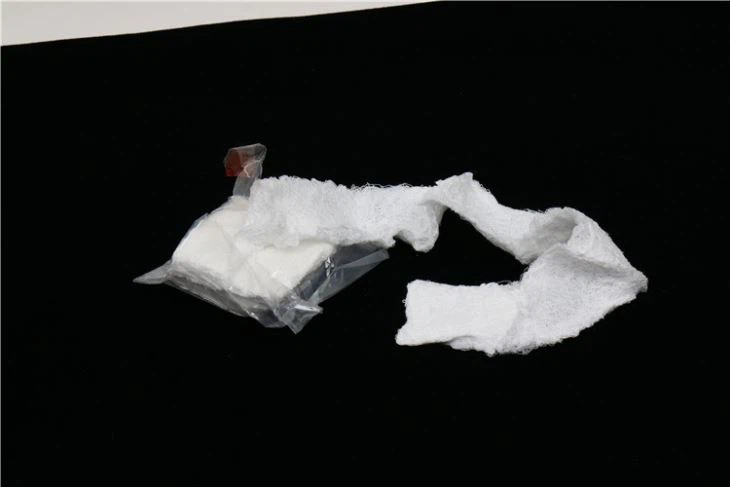
As the name suggests, compressed gauze is designed to be compressed for easy storage and transportation. But it should also expand properly when it's time to use it. You can try to expand a piece of the compressed gauze by gently pulling it apart. It should open up smoothly without tearing.
If the gauze doesn't expand evenly or tears during the expansion process, it might be a sign of poor quality. A well - made compressed gauze will expand to its full size and maintain its integrity.
Packaging
The packaging of the compressed gauze is more important than you might think. It should protect the gauze from contamination and damage during storage and shipping. Look for packages that are sturdy and have a good seal. Some packages are designed to be resealable, which is great if you don't use the whole product at once.
The packaging should also have clear labeling with information about the product, such as size, quantity, and usage instructions. If the labeling is unclear or incomplete, it can lead to confusion and potential misuse.
Cost - Effectiveness
Of course, cost is always a consideration. But don't just go for the cheapest option. Sometimes, a lower price might mean lower quality. Instead, look for a balance between cost and quality. You can compare different suppliers and their prices, but also take into account the factors we've discussed above.
A slightly more expensive compressed gauze might be worth it if it offers better absorbency, sterility, and softness. In the long run, it can save you money by reducing the need for frequent replacements and preventing complications from using sub - standard products.
Customer Reviews
Another great way to gauge the quality of compressed gauze is to look at customer reviews. You can find these on the supplier's website, online marketplaces, or medical forums. Real - life experiences from other customers can give you valuable insights into the product's performance.
Pay attention to both positive and negative reviews. Look for common themes, such as problems with absorbency or packaging. If a lot of customers are complaining about the same issue, it's something you should be aware of.
Supplier Reputation
As a compressed gauze supplier myself, I know that reputation matters. A reliable supplier will stand behind their products and offer good customer service. You can check the supplier's history, how long they've been in business, and if they have any certifications or awards.
A supplier with a good reputation is more likely to provide high - quality products and be responsive to your needs. You can also ask for samples before making a large purchase to test the product yourself.
Conclusion
So, there you have it! These are some of the key factors to consider when determining if compressed gauze is of good quality. By looking at the material, absorbency, sterility, softness, size, compression, packaging, cost - effectiveness, customer reviews, and supplier reputation, you can make an informed decision.
If you're in the market for high - quality compressed gauze, I'd love to have a chat with you. Whether you're a medical professional, a distributor, or just someone looking for reliable wound - care products, we can discuss your specific needs and find the right solution for you. Feel free to reach out to me to start the conversation about your procurement needs.
References
- Medical Textbooks on Wound Care
- Industry Standards for Compressed Gauze
- Research Papers on Absorbency and Sterility of Medical Gauze