







As a supplier of lap sponges, I've witnessed firsthand the diverse needs and preferences within the market, especially when it comes to comparing lap sponges with cellulose sponges. In this blog, I'll delve into the characteristics, applications, and advantages of each type, offering insights to help you make an informed decision for your specific requirements.
Physical Characteristics
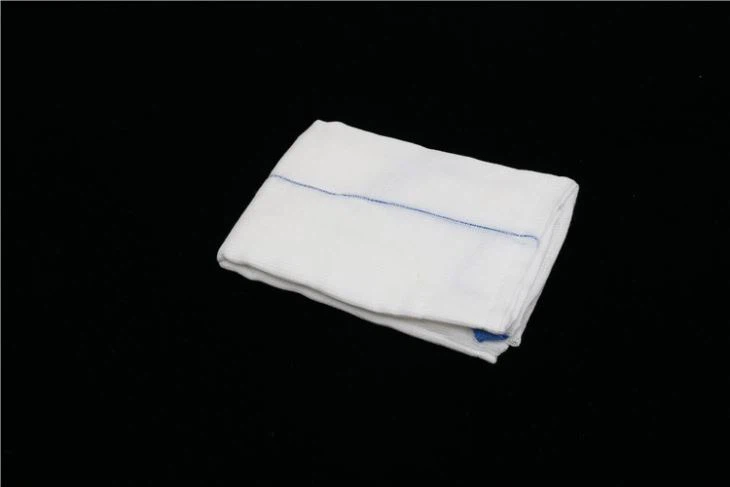
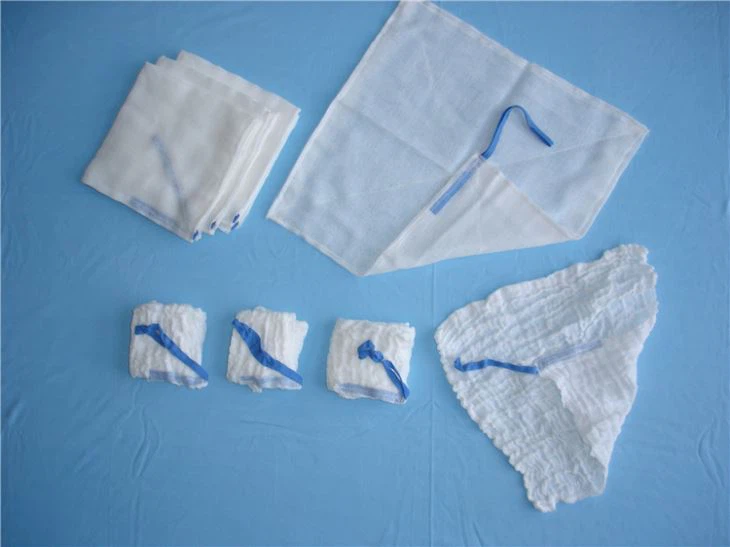
Lap sponges are typically made of cotton or a blend of cotton and synthetic fibers. They are known for their softness, absorbency, and durability. The natural fibers in cotton lap sponges make them gentle on sensitive surfaces, while the synthetic fibers can enhance their strength and resilience. Lap sponges come in various sizes and shapes, with the most common being rectangular or square. They are often available in both Sterile Lap Sponge and Non-sterile Lap Sponge options, catering to different usage scenarios.
On the other hand, cellulose sponges are made from wood pulp or other cellulose-based materials. They are lightweight, porous, and highly absorbent. Cellulose sponges have a unique structure that allows them to hold a large amount of liquid, making them ideal for tasks that require quick and efficient absorption. They are usually sold in a compressed form and expand when soaked in water. Cellulose sponges are available in different densities and textures, which can affect their absorbency and durability.
Absorbency
One of the key factors to consider when comparing lap sponges and cellulose sponges is their absorbency. Lap sponges are known for their excellent absorbency, thanks to the natural fibers in cotton. They can absorb a significant amount of liquid, making them suitable for tasks such as mopping up spills, cleaning wounds, and drying surfaces. The absorbency of lap sponges can be further enhanced by the addition of synthetic fibers, which can increase their capacity to hold liquid.
Cellulose sponges, on the other hand, are extremely absorbent due to their porous structure. They can absorb up to 20 times their weight in water, making them ideal for tasks that require quick and efficient absorption. Cellulose sponges are often used in the kitchen for cleaning up spills, wiping countertops, and washing dishes. Their high absorbency also makes them suitable for use in medical settings, such as cleaning wounds and applying medications.
Durability
Another important factor to consider is the durability of the sponges. Lap sponges are generally more durable than cellulose sponges, thanks to the natural fibers in cotton. They can withstand repeated use and washing without losing their shape or absorbency. Lap sponges are also less likely to tear or break, making them suitable for tasks that require a strong and reliable sponge.
Cellulose sponges, on the other hand, are more delicate and prone to tearing and breaking. They are not as durable as lap sponges and may need to be replaced more frequently. However, some cellulose sponges are treated with chemicals or coatings to enhance their durability and resistance to wear and tear.
Applications
Lap sponges and cellulose sponges have different applications based on their characteristics. Lap sponges are commonly used in medical settings, such as hospitals, clinics, and laboratories. They are used for a variety of tasks, including cleaning wounds, applying medications, and absorbing blood and other bodily fluids. Lap sponges are also used in the automotive industry for cleaning and polishing, as well as in the household for general cleaning and mopping.
Cellulose sponges, on the other hand, are commonly used in the kitchen for cleaning up spills, wiping countertops, and washing dishes. They are also used in the bathroom for cleaning and scrubbing, as well as in the household for general cleaning and dusting. Cellulose sponges are often preferred for their high absorbency and lightweight nature, which makes them easy to use and handle.
Cost
Cost is another important factor to consider when comparing lap sponges and cellulose sponges. Lap sponges are generally more expensive than cellulose sponges, due to the higher quality of the materials and the manufacturing process. However, the cost of lap sponges can vary depending on the size, shape, and quality of the sponge.
Cellulose sponges, on the other hand, are generally less expensive than lap sponges, due to the lower cost of the materials and the manufacturing process. However, the cost of cellulose sponges can also vary depending on the size, shape, and quality of the sponge.
Environmental Impact
In today's world, environmental impact is an important consideration when choosing a sponge. Lap sponges are typically made of natural fibers, such as cotton, which are biodegradable and renewable. This makes them a more environmentally friendly option compared to cellulose sponges, which are often made from wood pulp or other cellulose-based materials that may not be as sustainable.
However, the manufacturing process of lap sponges can also have an environmental impact, especially if the cotton is grown using pesticides and fertilizers. To minimize the environmental impact of lap sponges, it's important to choose sponges that are made from organic cotton or other sustainable materials.
Cellulose sponges, on the other hand, can be made from renewable resources, such as wood pulp, which makes them a more environmentally friendly option compared to synthetic sponges. However, the manufacturing process of cellulose sponges can also have an environmental impact, especially if the wood pulp is sourced from non-sustainable forests. To minimize the environmental impact of cellulose sponges, it's important to choose sponges that are made from sustainably sourced wood pulp or other renewable materials.
Conclusion
In conclusion, lap sponges and cellulose sponges have different characteristics, applications, and advantages. Lap sponges are known for their softness, absorbency, and durability, making them suitable for tasks that require a strong and reliable sponge. Cellulose sponges, on the other hand, are lightweight, porous, and highly absorbent, making them ideal for tasks that require quick and efficient absorption.
When choosing between lap sponges and cellulose sponges, it's important to consider your specific requirements, such as the type of task, the frequency of use, and the budget. If you need a sponge for medical or automotive applications, lap sponges may be the better choice. If you need a sponge for kitchen or household cleaning, cellulose sponges may be the more suitable option.
As a supplier of lap sponges, I'm committed to providing high-quality products that meet the needs of my customers. If you're interested in learning more about our lap sponges or have any questions about the comparison between lap sponges and cellulose sponges, please don't hesitate to contact me for a procurement discussion. I'll be happy to assist you in finding the right sponge for your specific requirements.
References
- "Cotton Sponges: Properties and Applications." Journal of Textile Science and Technology.
- "Cellulose Sponges: A Review of Their Structure, Properties, and Applications." Biomacromolecules.
- "Environmental Impact of Sponge Manufacturing." Environmental Science and Technology.