







In the medical and healthcare industry, the performance of sterile gauze balls is of paramount importance, especially when considering their use in high - humidity environments. As a supplier of Sterile Gauze Ball, I have had the opportunity to closely observe and understand how these products interact with different environmental conditions. This blog post aims to delve into the performance of sterile gauze balls in high - humidity settings, exploring both the challenges and the advantages.
Understanding High - Humidity Environments
High - humidity environments are characterized by a relatively high amount of water vapor in the air. Humidity levels can vary significantly depending on geographical location, season, and specific indoor conditions. For instance, tropical regions often experience high humidity throughout the year, while in healthcare facilities, high - humidity areas may include areas near steam rooms, laundry areas, or in some cases, poorly ventilated patient rooms.
Humidity can have a profound impact on various materials, including medical supplies. When it comes to sterile gauze balls, the presence of excess moisture in the air can introduce a series of physical and chemical changes that may affect their performance.
Physical Changes in Sterile Gauze Balls in High - Humidity
One of the most immediate physical changes that sterile gauze balls may undergo in high - humidity environments is an increase in moisture absorption. Gauze is a porous material, and its structure allows it to trap and hold water molecules. As the humidity rises, the gauze balls will start to absorb moisture from the surrounding air.
This absorption can lead to a change in the texture of the gauze. The normally dry and fluffy gauze may become damp and limp. A damp gauze ball can be less effective in certain applications. For example, in wound dressing, a damp gauze may not provide the same level of absorbency for wound exudate as a dry one. Instead of wicking away the fluid, the already - moist gauze may allow the exudate to pool on the wound surface, increasing the risk of infection.
Moreover, the weight of the gauze balls will also increase due to the absorbed moisture. This can be a concern during transportation and storage. If the packaging of the sterile gauze balls is not properly designed to withstand the additional weight, it may lead to damage, such as tearing or puncturing of the packaging. Once the packaging is compromised, the sterility of the gauze balls can be at risk.
Chemical Changes and Microbial Growth
High humidity can also trigger chemical changes in sterile gauze balls. The presence of moisture can accelerate the oxidation process of certain components in the gauze. Oxidation can cause the gauze to lose its strength and integrity over time. This may result in the gauze fibers breaking more easily, which is particularly dangerous when using the gauze for wound care, as loose fibers can become embedded in the wound.
Another significant concern in high - humidity environments is the potential for microbial growth. Microorganisms such as bacteria, fungi, and molds thrive in moist conditions. Even though sterile gauze balls are initially free of viable microorganisms, the high humidity can provide an ideal breeding ground for these pathogens if the proper storage conditions are not maintained.
Microbial contamination can render the sterile gauze balls useless and pose a serious threat to patient safety. In a healthcare setting, using contaminated gauze for wound dressing can lead to wound infections, which can delay the healing process and even cause more severe complications.
Advantages of Sterile Gauze Balls in High - Humidity
Despite the challenges, sterile gauze balls also have some advantages in high - humidity environments. For example, in certain wound - healing applications, a slightly moist environment can be beneficial. Some types of wounds, such as partial - thickness burns, may heal better in a moist environment. In these cases, the moisture - absorbing property of the gauze can help to maintain an optimal level of moisture around the wound.
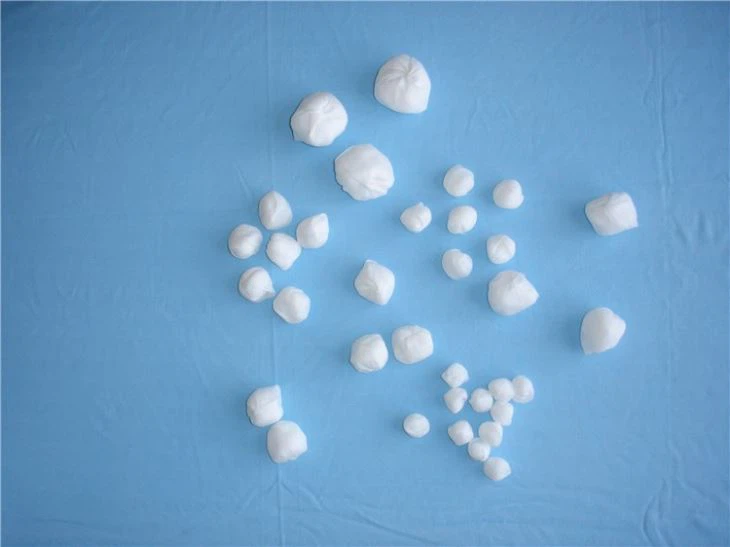

Sterile gauze balls can also act as a barrier against external contaminants in high - humidity areas. Even when the air is filled with moisture and potential pathogens, the gauze can prevent direct contact between the wound and the contaminated environment.
Strategies for Maintaining Performance in High - Humidity
As a supplier of Sterile Gauze Ball, we are committed to ensuring that our products perform well in all environments, including high - humidity ones. Here are some strategies that can be employed:
Proper Packaging
We use high - quality, moisture - resistant packaging materials for our sterile gauze balls. These materials are designed to prevent moisture from entering the package, thereby maintaining the sterility and dryness of the gauze inside. For example, we use laminated plastic bags that have a low water - vapor transmission rate.
Storage Conditions
It is crucial to store sterile gauze balls in a controlled environment. Healthcare facilities and other end - users should store the gauze in a cool, dry place with proper ventilation. Temperature and humidity sensors can be used to monitor the storage conditions, and if necessary, dehumidifiers can be installed to reduce the humidity levels.
Quality Control
We conduct rigorous quality control tests on our products, especially those intended for use in high - humidity environments. These tests include checking the moisture content of the gauze, its strength, and its resistance to microbial growth. By ensuring that our products meet the highest quality standards, we can provide our customers with reliable sterile gauze balls.
Different Types of Gauze Balls and Their Performance
In addition to standard Sterile Gauze Ball, we also offer Sterile Non - woven Gauze Ball and Non - sterile Non - woven Gauze Ball. Non - woven gauze has a different structure compared to traditional woven gauze. It is made by bonding fibers together, which can result in a more uniform and dense material.
In high - humidity environments, non - woven gauze balls may have some advantages. They tend to have better moisture - management properties, as the non - woven structure can wick away moisture more effectively. Additionally, non - woven gauze is often more resistant to tearing, which is beneficial when dealing with the potential weight increase due to moisture absorption.
Conclusion
The performance of sterile gauze balls in high - humidity environments is a complex issue that involves both physical and chemical changes. While high humidity can pose challenges such as moisture absorption, oxidation, and microbial growth, proper packaging, storage, and quality control can help to mitigate these problems.
As a leading supplier of Sterile Gauze Ball, we understand the importance of providing products that are reliable and effective in all conditions. Whether you are in a high - humidity tropical region or a healthcare facility with specific environmental challenges, our sterile gauze balls are designed to meet your needs.
If you are interested in learning more about our sterile gauze balls or would like to discuss a potential purchase, we encourage you to reach out to us. We are always ready to provide you with detailed product information and support to ensure that you make the best choice for your requirements.
References
- "Textile Science and Technology: Fibers, Yarns, Fabrics, and Nonwovens - Fundamentals and Applications" by Horst - Peter Reiners.
- "Medical Textiles and Biomaterials for Healthcare" edited by S. C. Anand and D. L. Kaplan.
- "Wound Healing: Biochemical and Clinical Aspects" by Kenneth A. Arndt, Howard I. Maibach.