






Using an Israeli Bandage on a Wound with an Irregular Shape
As a supplier of Israeli Bandages, I've witnessed firsthand the life - saving potential of these remarkable medical tools. Israeli Bandages, also known as Israeli Trauma Dressing Bandages, are designed to quickly and effectively control bleeding in various types of wounds, including those with irregular shapes. In this blog post, I'll share how to use an Israeli Bandage on an irregularly shaped wound, along with some tips and insights.
Understanding the Israeli Bandage
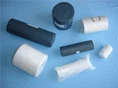
Israeli Bandages come in different sizes, such as the 4 Inch Israeli Trauma Dressing Bandage and the 6 Inch Israeli Trauma Dressing Bandage. The choice of size depends on the size and nature of the wound. These bandages typically consist of a large absorbent pad attached to a long, elastic band. The absorbent pad helps to soak up blood, while the elastic band allows for firm compression.
Preparing for Application
Before applying the Israeli Bandage to an irregularly shaped wound, it's crucial to ensure your safety and the safety of the injured person. Put on disposable gloves if available to prevent the spread of infection. Assess the wound to determine its severity and any potential underlying damage. If there are any foreign objects in the wound, do not attempt to remove them unless they are superficial and easily accessible, as this could cause further bleeding.
Step - by - Step Application
- Open the Bandage: Unroll the Israeli Bandage and expose the absorbent pad. Make sure you have a clear view of the pad and the elastic band.
- Position the Pad: Place the absorbent pad directly over the center of the irregularly shaped wound. Try to cover as much of the wound area as possible. For wounds with a complex shape, you may need to adjust the position of the pad slightly to ensure optimal coverage.
- Begin Wrapping: Start wrapping the elastic band around the limb or body part containing the wound. Begin at a point just below the wound and work your way up. For irregularly shaped wounds on the torso or other non - limb areas, wrap the band in a circular or figure - eight pattern, depending on the location and shape of the wound.
- Apply Pressure: As you wrap the band, apply firm pressure to the wound. The elastic nature of the band allows you to create compression, which helps to control bleeding. Make sure the band is tight enough to apply pressure but not so tight that it cuts off circulation. You can check for circulation by feeling for a pulse below the bandage or observing the color and temperature of the skin.
- Secure the Bandage: Once you have wrapped the bandage around the wound several times, secure the end of the band using the attached clips or by tying a knot. Make sure the bandage is firmly in place and will not come loose.
Special Considerations for Irregular Shapes
Irregularly shaped wounds present unique challenges when it comes to bandage application. Here are some additional tips:
- Fold the Pad: If the wound has a deep or narrow section, you can fold the absorbent pad to fit into the crevice. This helps to ensure that the pad makes direct contact with all parts of the wound, maximizing its absorbent and pressure - applying capabilities.
- Multiple Layers: For large or complex irregular wounds, you may need to use multiple Israeli Bandages or apply additional layers of the same bandage. This can provide more comprehensive coverage and greater pressure.
- Contour the Bandage: As you wrap the elastic band, try to contour it to the shape of the wound. This may involve making small adjustments in the direction of the wrap or using a combination of circular and figure - eight wraps.
Monitoring and Follow - up
After applying the Israeli Bandage, closely monitor the injured person. Check for any signs of continued bleeding, such as blood seeping through the bandage or the reappearance of bleeding at the edges. If bleeding persists, you may need to re - evaluate the bandage application or seek further medical assistance.
It's also important to monitor the person's vital signs, including their pulse, breathing, and level of consciousness. If the person's condition deteriorates or if you have any concerns, call for emergency medical services immediately.


Advantages of Israeli Bandages for Irregular Wounds
Israeli Bandages offer several advantages when dealing with irregularly shaped wounds. Their large absorbent pads can cover a wide area, even if the wound is not a standard shape. The elastic band allows for customizable compression, which is essential for controlling bleeding in wounds with varying depths and contours. Additionally, the simplicity of the design makes them easy to use, even in high - stress situations.
Military and Civilian Use
Israeli Bandages are widely used in military settings, where they have proven to be effective in treating combat - related wounds. The Military Trauma Bandage variant is specifically designed to meet the rigorous demands of the military environment. However, these bandages are also invaluable in civilian settings, such as first - aid kits for outdoor activities, emergency response teams, and home medical supplies.
Conclusion
Using an Israeli Bandage on an irregularly shaped wound requires careful preparation, precise application, and close monitoring. By following the steps outlined above and considering the unique challenges of irregular shapes, you can effectively control bleeding and potentially save a life. If you are interested in purchasing Israeli Bandages for your first - aid supplies, whether for personal, professional, or institutional use, I encourage you to reach out to discuss your specific needs. We are committed to providing high - quality Israeli Bandages and ensuring that you have the products you need to respond to emergencies.
References
- American Red Cross. First Aid: Responding to Emergencies.
- Military Medical Institute Publications on Trauma Care.
- Journal of Emergency Medical Services (JEMS) articles on wound management.