





Water filtration is a crucial process in ensuring access to clean and safe water. With a wide array of filtration methods and materials available, one common and seemingly simple item that has drawn attention is the cotton ball. As a supplier of high - quality cotton balls, I am often asked about their efficacy in water filtration. In this blog post, we will explore the science behind using cotton balls for water filtration, their advantages, limitations, and real - world applications.
The Science of Filtration with Cotton Balls
Cotton balls are made from natural cotton fibers. These fibers have a porous structure, which is the key to their potential as a filtration material. When water passes through a cotton ball, the physical structure of the fibers acts as a barrier. Larger particles in the water, such as sediment, dirt, and debris, get trapped within the cotton fibers.
The filtration process is based on two main mechanisms: mechanical sieving and adsorption. Mechanical sieving occurs when particles larger than the pore size of the cotton fiber structure are blocked from passing through. For example, visible dirt and sand particles in water are effectively removed as the water is forced through the compacted cotton fibers.
Adsorption, on the other hand, is a process where certain substances in the water attach to the surface of the cotton fibers. Some organic compounds and small colloidal particles can be adsorbed onto the cotton, reducing their concentration in the filtered water. However, the adsorption capacity of cotton balls is relatively limited compared to specialized adsorbents like activated carbon.
Advantages of Using Cotton Balls for Water Filtration
1. Accessibility and Affordability
Cotton balls are widely available in pharmacies, supermarkets, and online stores. They are also relatively inexpensive, making them an accessible option for water filtration, especially in resource - limited settings. For individuals or communities with limited financial resources, cotton balls can be a cost - effective alternative to more expensive filtration systems.
2. Simple to Use
No special skills or equipment are required to use cotton balls for water filtration. All that is needed is a container, a layer of cotton balls, and a means to pour water through them. This simplicity makes it an ideal option for emergency situations or for educational purposes. For example, in a classroom setting, students can easily set up a simple filtration device using cotton balls to learn about the basic principles of water filtration.
3. Environmentally Friendly
Cotton is a natural and biodegradable material. Unlike some synthetic filtration materials, cotton balls do not contribute to long - term environmental pollution. After use, they can be disposed of in an environmentally friendly way, such as composting.
Limitations of Cotton Ball Filtration
1. Limited Particle Size Removal
While cotton balls are effective at removing relatively large particles, they are not capable of filtering out very small particles, such as bacteria, viruses, and dissolved contaminants. Bacteria and viruses can easily pass through the pores of the cotton fibers, and dissolved substances like heavy metals, salts, and chemicals remain in the water after filtration.
2. Short Lifespan
As the cotton balls trap particles, they become clogged over time. Once clogged, the flow rate of water through the cotton balls decreases significantly, and the filtration efficiency drops. This means that cotton balls need to be replaced frequently, especially when filtering water with a high concentration of contaminants.
3. Lack of Chemical Filtration Capability
Most cotton balls do not have the ability to remove chemicals, such as pesticides, fertilizers, and industrial pollutants, from water. These substances require more advanced filtration methods, such as activated carbon filtration or reverse osmosis.
Real - World Applications of Cotton Ball Filtration
1. Pre - Filtration
Cotton ball filtration can be used as a pre - filtration step in more complex water treatment systems. By removing large particles, cotton balls can protect more expensive and delicate filtration components from clogging. For example, in a home water filtration system that includes an activated carbon filter and a water purification membrane, a layer of cotton balls at the inlet can prevent sediment from damaging the membrane.
2. Emergency Filtration
In emergency situations, such as natural disasters or when traveling in remote areas, cotton balls can be used as a quick and simple way to filter out visible impurities from water. While the filtered water may not be completely safe to drink without further treatment, it can at least remove some of the larger contaminants, making it more palatable and reducing the risk of immediate physical harm.

3. Educational Purposes
As mentioned earlier, cotton ball filtration is an excellent tool for educational purposes. It allows students to understand the basic concepts of water filtration and the importance of clean water. Teachers can set up simple filtration experiments using cotton balls, demonstrating how different types of contaminants are removed from water.
Our Cotton Ball Products for Filtration
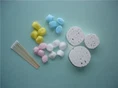
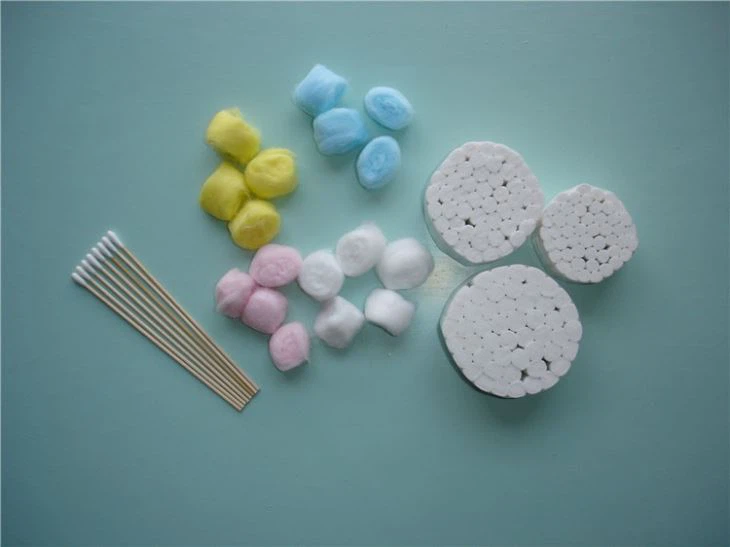
At our company, we offer a range of high - quality cotton balls suitable for water filtration. Our Cotton Wool Ball is made from pure, natural cotton fibers, ensuring a high level of porosity for effective filtration. The cotton is carefully processed to maintain its fiber integrity, providing a reliable mechanical sieving effect.
For applications that require a higher level of hygiene, such as in medical or laboratory settings, our Sterile Cotton Wool Ball is an ideal choice. These sterile cotton balls are free from bacteria and other microorganisms, making them suitable for use in potentially sensitive filtration processes.
Conclusion: The Role of Cotton Balls in Water Filtration
Cotton balls can be an effective and practical option for water filtration in certain situations. Their ability to remove large particles, combined with their accessibility, affordability, and ease of use, makes them a valuable addition to water treatment strategies, especially as a pre - filtration step or in emergency situations. However, it is important to recognize their limitations and use them in conjunction with other filtration methods to ensure the production of safe and clean drinking water.
If you are interested in purchasing our cotton balls for water filtration or have any questions about their applications, we encourage you to contact us for a detailed discussion. Our team of experts is ready to assist you in finding the most suitable cotton ball products for your specific needs.
References
- "Water Filtration Basics", Environmental Protection Agency.
- "Principles of Filtration", Journal of Water Science and Technology.
- "Natural Fibers in Filtration Applications", Textile Research Journal.