





Hey there! As a first aid bandage supplier, I've seen my fair share of injuries, including those pesky toe injuries. Applying a first aid bandage to a toe might seem like a no - brainer, but there are some proper techniques to ensure it's done right. In this blog, I'll walk you through the steps of applying a first aid bandage on a toe.
Why Bandage a Toe?
Before we get into the "how - to," let's talk about the "why." Toes are constantly moving, and when they get injured, whether it's a cut, a blister, or a sprain, a bandage can provide several benefits. It helps protect the wound from dirt and bacteria, reducing the risk of infection. A bandage can also offer support to a sprained toe, minimizing pain and promoting faster healing.
What You'll Need
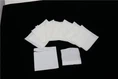
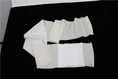
First off, you'll need the right first aid bandage. We offer a great selection of bandages, like the 4 Inch First Aid Bandage and the 3 Inch First Aid Bandage. For a toe, a 3 - inch bandage is usually a good choice as it's more flexible and easier to work with around the small area. You'll also need some antiseptic wipes to clean the wound, and if it's a cut, some gauze pads to stop the bleeding.
Step 1: Clean the Wound
The first step is to clean the injured toe. Use an antiseptic wipe to gently clean the area around the wound. This helps get rid of any dirt or debris that could cause an infection. Make sure to be gentle, especially if the wound is fresh and painful. If there's any dirt stuck in the wound, you can use a clean, damp cloth to carefully remove it.
Step 2: Stop the Bleeding (if applicable)
If it's a cut and there's bleeding, place a gauze pad on the wound and apply gentle pressure. Hold it there for a few minutes until the bleeding stops. You might need to change the gauze pad if it gets soaked with blood.
Step 3: Prepare the Bandage
Unroll a small section of the 3 - inch first aid bandage. You don't need to unroll the whole thing at once. Just have enough to start wrapping around the toe. Make sure the bandage is clean and free from any tears or damage.
Step 4: Start Wrapping
Begin by placing the end of the bandage at the base of the toe, near the ball of the foot. Wrap the bandage around the toe once, making sure it's snug but not too tight. You don't want to cut off the circulation. As you wrap, overlap each layer of the bandage by about half of its width. This helps keep the bandage in place and provides better support.
Step 5: Wrap in a Figure - 8 Pattern
For a toe, a figure - 8 wrapping pattern works great. After wrapping around the toe once, cross the bandage over the top of the toe and then under the toe, creating a figure - 8 shape. Keep repeating this pattern as you work your way up the toe. This pattern helps secure the bandage and provides more stability to the toe.
Step 6: Finish Wrapping
Once you've wrapped the entire toe, wrap the bandage around the base of the toe one more time to secure it. You can use the adhesive end of the bandage to stick it in place. Make sure there are no loose ends that could catch on things and cause the bandage to come off.
Step 7: Check the Circulation
After applying the bandage, check the circulation in the toe. Look at the color of the toe and feel for a pulse. If the toe turns blue or purple, or if it feels cold or numb, the bandage is too tight. You'll need to loosen it immediately to prevent any further damage.
Tips for a Good Bandage Application
- Keep it clean: Always make sure your hands and the bandage are clean to avoid introducing bacteria to the wound.
- Don't wrap too tight: A tight bandage can cause more harm than good. It can cut off circulation and slow down the healing process.
- Change the bandage regularly: If the bandage gets wet or dirty, or if it starts to smell, it's time to change it. This helps keep the wound clean and promotes healing.
When to Seek Medical Help
While a simple bandage can take care of most minor toe injuries, there are times when you should seek medical help. If the bleeding doesn't stop after applying pressure for 10 - 15 minutes, if the wound is deep or large, or if there's signs of infection like redness, swelling, or pus, it's best to see a doctor. Also, if you suspect a broken toe, which might be indicated by severe pain, deformity, or inability to move the toe, get medical attention right away.
Our First Aid Bandages
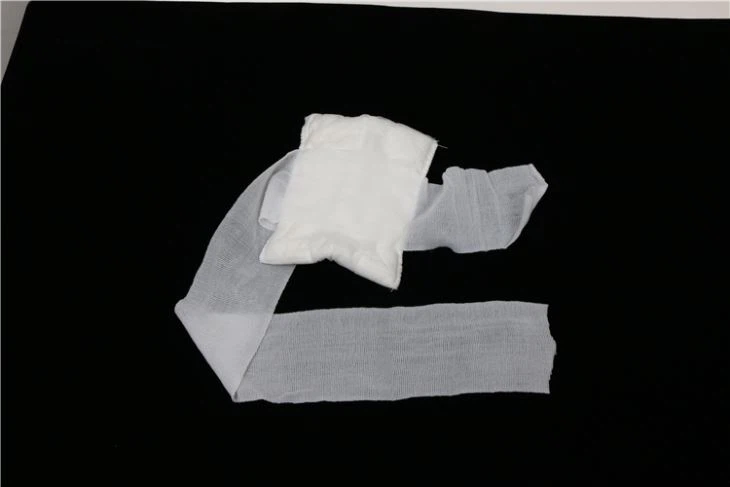
As a first aid bandage supplier, we take pride in offering high - quality bandages. Our 4 Inch First Aid Bandage and 3 Inch First Aid Bandage are made from top - notch materials that are soft, flexible, and breathable. They're designed to provide the best protection and support for any type of injury.

If you're in the market for first aid bandages, whether it's for personal use, a first aid kit at work, or for a large - scale purchase, we'd love to talk to you. We can offer competitive prices and great customer service. Just reach out to us, and we'll be happy to discuss your needs and help you find the right bandages for you.
Conclusion
Applying a first aid bandage to a toe is a simple process if you follow the right steps. It's an important skill that can help you take care of minor injuries and prevent further complications. Remember to always keep your bandages clean, wrap them properly, and check the circulation. And if you're looking for reliable first aid bandages, we're here to supply you.
References
- American Red Cross. First Aid Manual.
- Mayo Clinic. First Aid Guidelines.