








Introduction
As a leading supplier of cotton rolls, I've witnessed firsthand the versatility and importance of these simple yet indispensable medical and household items. Cotton rolls are a staple in various fields, from dental care to first - aid and even arts and crafts. In this blog, I'll share in - depth knowledge on how to use a cotton roll properly, ensuring you get the most out of this product.
Common Types of Cotton Rolls
Before diving into the usage, it's essential to understand the different types of cotton rolls available.
Cotton Wool Roll
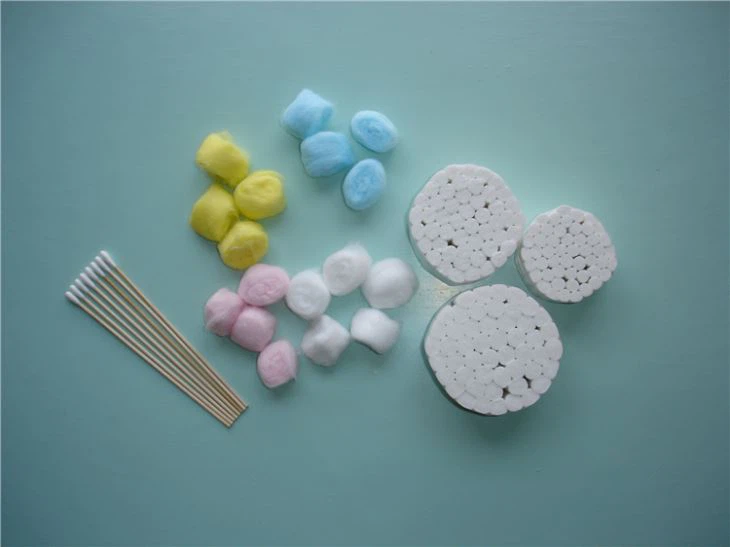
A Cotton Wool Roll is a general - purpose roll made of soft, absorbent cotton. It's commonly used for first - aid purposes, such as cleaning wounds, applying antiseptics, or dressing minor injuries. Its large surface area and high absorbency make it ideal for mopping up fluids.
Dental Roll
On the other hand, a Dental Roll is specifically designed for dental procedures. These rolls are smaller, more compact, and often come in sterile packaging. They are used to absorb saliva and moisture in the mouth during dental treatments, keeping the work area dry and clean.
Using Cotton Rolls in First - Aid
Cleaning Wounds
When it comes to cleaning wounds, the cotton wool roll is your go - to. Start by washing your hands thoroughly with soap and water to prevent introducing bacteria to the wound. Unroll a small section of the cotton wool roll and soak it in a mild antiseptic solution, such as hydrogen peroxide or saline solution. Gently dab the wound with the soaked cotton, starting from the center and moving outward in a circular motion. This helps to remove dirt, debris, and bacteria from the wound.
Applying Medication
Cotton rolls can also be used to apply topical medications to wounds. Before applying the medication, make sure the wound is clean. Take a small piece of the cotton roll and dip it into the medication. Then, gently apply the medication to the wound using a light, dabbing motion. Avoid rubbing the wound harshly, as this can cause further irritation and delay the healing process.
Dressing the Wound
After cleaning and applying medication, you can use a larger piece of the cotton wool roll to dress the wound. Place the cotton over the wound and secure it with a bandage or medical tape. Make sure the dressing is not too tight, as this can restrict blood flow to the area.
Using Dental Rolls in Dental Care
During Dental Procedures
Dental rolls are crucial in maintaining a dry working environment during dental treatments. When you're at the dentist's office, the dental assistant will place a dental roll in your mouth near the area being treated. The roll will absorb saliva and other fluids, preventing them from interfering with the dentist's work. You may need to bite down gently on the roll to keep it in place, but don't bite too hard, as this can damage the roll or cause discomfort.
At - Home Oral Care
Even at home, dental rolls can be useful. If you experience a minor oral injury, such as a cut on the inside of your cheek or lip, you can place a small piece of a dental roll on the affected area to absorb any blood and keep the area dry. This can help promote faster healing.
Using Cotton Rolls in Arts and Crafts
Cotton rolls are not just for medical and dental use; they also have a place in the world of arts and crafts.
Creating Textures
You can use cotton rolls to create interesting textures in your paintings. Dip the end of a cotton roll in paint and then press it onto your canvas. The cotton fibers will leave behind a unique, textured pattern. You can also use multiple cotton rolls of different sizes to create a variety of textures.
Making Crafts
Cotton rolls can be transformed into cute and creative crafts. For example, you can use them to make cotton ball animals. Cut the cotton roll into small sections and shape them into the body parts of your animal. Then, use glue and other materials to add eyes, ears, and other features.
Tips for Proper Cotton Roll Usage
Sterility
When using cotton rolls for medical or dental purposes, always ensure they are sterile. Check the packaging for any signs of damage or expiration. If the packaging is torn or the product has expired, do not use it.
Storage
Store your cotton rolls in a cool, dry place. Excessive heat, humidity, or direct sunlight can damage the cotton and reduce its effectiveness. Keep the rolls in their original packaging until you're ready to use them to maintain their sterility and quality.

Disposal
After using a cotton roll, especially if it has come into contact with bodily fluids or medications, dispose of it properly. Wrap it in a tissue or place it in a sealed plastic bag before throwing it in the trash. This helps prevent the spread of bacteria and other pathogens.
Contact for Purchase and Inquiry
If you're interested in purchasing high - quality cotton rolls for your medical facility, dental office, or personal use, we'd love to hear from you. Our cotton rolls are made from the finest quality cotton, ensuring maximum absorbency and comfort. Whether you need bulk orders or just a small supply, we have the right solution for you. Contact us today to start a discussion about your requirements, and let's work together to meet your needs.
References
- American Dental Association. (2023). Oral Health Care Guidelines.
- World Health Organization. (2022). First - Aid Manual.
- Arts and Crafts Magazine. (2022). Innovative Uses of Common Materials in Crafts.