







In the medical field, the role of wound dressings cannot be overstated. Among the various types of wound dressings available, compressed gauze has become a staple in many healthcare settings. As a supplier of Compressed Gauze, I often encounter questions from customers about its properties, especially its resistance to bacteria. In this blog post, I will delve into the science behind compressed gauze and its ability to resist bacteria.
Understanding Compressed Gauze
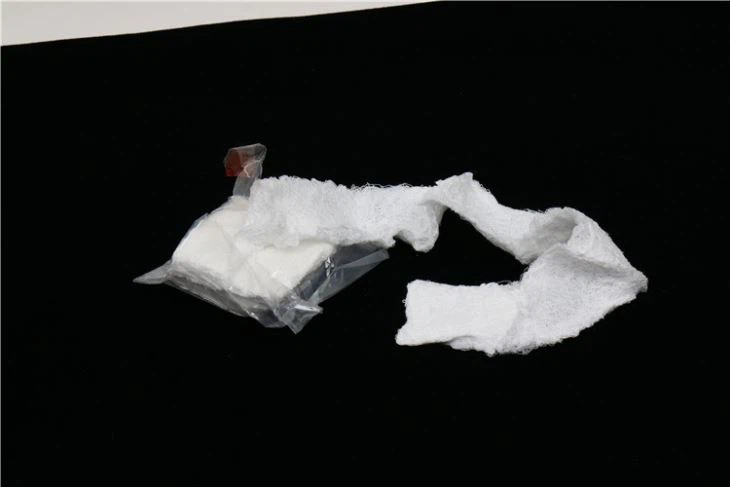
Compressed gauze is a type of medical dressing that is made from woven cotton fibers. It is compressed into a compact form, which allows it to expand when it comes into contact with moisture, such as blood or wound exudate. This expansion helps the gauze to conform to the shape of the wound, providing better coverage and absorption.
The compression process not only makes the gauze more convenient to store and transport but also enhances its absorbency. When the compressed gauze is placed on a wound, it quickly absorbs the fluid, creating a moist environment that is conducive to wound healing. The Compressed Gauze we supply is designed to meet the highest standards of quality and performance, ensuring that it provides effective wound care.
Bacterial Resistance Mechanisms
The question of whether compressed gauze is resistant to bacteria is a complex one. While compressed gauze itself is not inherently antibacterial, it can play a role in preventing bacterial growth in several ways.
Physical Barrier
One of the primary ways that compressed gauze helps to prevent bacterial contamination is by acting as a physical barrier. When placed over a wound, the gauze forms a protective layer that prevents bacteria from entering the wound. This is particularly important in the early stages of wound healing when the wound is most vulnerable to infection.
Absorption of Exudate
Another important function of compressed gauze is its ability to absorb wound exudate. Exudate contains nutrients that can support the growth of bacteria. By absorbing the exudate, the gauze helps to remove these nutrients from the wound environment, making it less favorable for bacterial growth.
Moisture Management
Maintaining the right level of moisture in a wound is crucial for wound healing. Compressed gauze helps to manage moisture by absorbing excess fluid while also allowing the wound to breathe. A moist wound environment promotes the growth of new tissue and can help to prevent the formation of a scab, which can trap bacteria and delay healing.
Antibacterial Treatments
While compressed gauze itself is not antibacterial, it can be treated with antibacterial agents to enhance its ability to prevent bacterial growth. Some common antibacterial treatments for gauze include:
Silver
Silver has long been known for its antibacterial properties. Silver-impregnated compressed gauze releases silver ions, which can kill a wide range of bacteria, including those that are resistant to antibiotics. The silver ions work by disrupting the cell membranes of bacteria, preventing them from growing and multiplying.
Iodine
Iodine is another antibacterial agent that is commonly used in wound dressings. Iodine-impregnated compressed gauze can help to prevent bacterial infection by killing bacteria on contact. It is particularly effective against Gram-positive and Gram-negative bacteria.
Chlorhexidine
Chlorhexidine is a broad-spectrum antibacterial agent that is often used in healthcare settings. Chlorhexidine-impregnated compressed gauze can provide long-lasting antibacterial protection and is effective against a wide range of bacteria, fungi, and viruses.
Testing and Certification
As a supplier of compressed gauze, we are committed to ensuring that our products meet the highest standards of quality and safety. Our compressed gauze undergoes rigorous testing to ensure that it is free from contaminants and meets the requirements for bacterial resistance.

We work with independent laboratories to conduct tests such as the ASTM E2149 test, which measures the antibacterial activity of materials under dynamic contact conditions. This test helps to determine the effectiveness of our compressed gauze in preventing the growth of bacteria.
In addition to testing, our products are also certified by regulatory bodies such as the FDA (Food and Drug Administration) in the United States. This certification ensures that our compressed gauze meets the strictest standards for safety and performance.
Comparison with Other Gauze Types
When considering the bacterial resistance of compressed gauze, it is helpful to compare it with other types of gauze. Two common types of gauze are EZ Folded Gauze and Z-Rolled Gauze Roll.
EZ Folded Gauze
EZ Folded Gauze is a convenient and easy-to-use dressing that is often used for minor wounds. While it provides some level of protection against bacteria, it may not be as effective as compressed gauze in terms of absorption and conformability. Compressed gauze, with its ability to expand and absorb large amounts of fluid, is better suited for larger or more severe wounds.
Z-Rolled Gauze Roll
Z-Rolled Gauze Roll is a type of rolled gauze that is commonly used for wrapping wounds. It provides a continuous layer of protection but may not be as effective as compressed gauze in terms of bacterial resistance. Compressed gauze, with its antibacterial treatments and ability to manage moisture, can provide better protection against bacterial infection.
Conclusion
In conclusion, while compressed gauze is not inherently antibacterial, it can play an important role in preventing bacterial growth in wounds. Through its physical barrier function, absorption of exudate, and moisture management capabilities, compressed gauze helps to create an environment that is less favorable for bacterial growth.
When treated with antibacterial agents such as silver, iodine, or chlorhexidine, compressed gauze can provide enhanced protection against bacterial infection. Our compressed gauze is tested and certified to ensure that it meets the highest standards of quality and safety, making it a reliable choice for wound care.
If you are interested in learning more about our Compressed Gauze or would like to discuss your specific wound care needs, please feel free to contact us. We are committed to providing our customers with the best possible products and services, and we look forward to the opportunity to work with you.
References
- ASTM International. (2019). Standard Test Method for Determining the Antimicrobial Activity of Immobilized Antimicrobial Agents Under Dynamic Contact Conditions. ASTM E2149-19.
- National Center for Biotechnology Information. (n.d.). Wound Healing: An Overview. Retrieved from https://www.ncbi.nlm.nih.gov/books/NBK562256/
- World Health Organization. (2018). Guidelines on Hand Hygiene in Health Care. Retrieved from https://www.who.int/gpsc/5may/Guide_to_Hand_Hygiene_in_Health_Care.pdf