


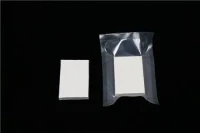



Hey there! As a lap sponge supplier, I've been getting a lot of questions lately about the quality standards for lap sponges. So, I thought I'd take a moment to break it down for you all.
First off, let's talk about what lap sponges are. Lap sponges are absorbent pads used in medical procedures, especially in surgeries. They're designed to soak up blood and other fluids, keeping the surgical field clean and dry. This is super important because a clean surgical area reduces the risk of infection and makes it easier for the surgeon to do their job.
Material Quality
The quality of the material used in lap sponges is crucial. Most lap sponges are made from cotton, and the cotton should be of high - grade. High - grade cotton is soft, which is important because it won't irritate the patient's tissues. It also has excellent absorbency. You don't want a sponge that just sits on top of the fluid; you want it to soak it up quickly and hold onto it.
Another aspect of material quality is the purity of the cotton. There shouldn't be any contaminants like dirt, debris, or chemicals. Contaminants can cause allergic reactions in patients or introduce infections. So, we make sure that the cotton we use goes through a rigorous cleaning and purification process.
Size and Shape
Lap sponges come in different sizes and shapes. The size is usually determined by the type of surgical procedure. For example, in a small - scale procedure, a smaller lap sponge might be sufficient. But for larger surgeries, like abdominal surgeries, bigger sponges are needed.
The shape also matters. Most lap sponges are rectangular, which makes them easy to handle and place in the surgical area. However, some may have special shapes to fit specific anatomical areas. The edges of the lap sponge should be well - finished. Ragged edges can shed fibers, which can be left inside the patient's body and cause problems.
Absorbency
Absorbency is one of the most important quality standards for lap sponges. A good lap sponge should be able to absorb a significant amount of fluid quickly. We test our lap sponges to ensure they can absorb at least [X] milliliters of fluid per gram of sponge. This ensures that they can keep up with the fluid production during a surgical procedure.
The speed of absorption is also crucial. In a surgical setting, time is of the essence. A slow - absorbing sponge can lead to a messy surgical field, which can be a hindrance to the surgeon. So, we make sure our lap sponges absorb fluid rapidly.
Sterility
There are two types of lap sponges: non - sterile and sterile.
The Non - sterile Lap Sponge is used in situations where strict sterility is not required. For example, in some non - invasive medical procedures or in pre - operative preparations. However, even non - sterile lap sponges should be clean and free from major contaminants.
On the other hand, Sterile Lap Sponge is used in surgical procedures where there's a high risk of infection. Sterile lap sponges are treated to kill all microorganisms. We use methods like gamma irradiation or ethylene oxide gas sterilization to ensure the sponges are completely sterile. The sterility of the sponge is maintained through proper packaging. The packaging should be sealed to prevent any contamination from the outside environment.
Markings and Identification
Lap sponges need to be easily identifiable during and after a surgical procedure. This is to prevent the sponge from being left inside the patient's body. Most lap sponges have a radiopaque marker. This marker can be detected by X - rays, so if a sponge is accidentally left inside the patient, it can be easily located.
In addition to the radiopaque marker, lap sponges may also have color - coded markings or numbers. These markings help the surgical team keep track of the sponges used during the procedure. For example, each sponge may have a unique number, and the team can use a checklist to ensure that all the sponges are accounted for at the end of the surgery.
Durability
Lap sponges need to be durable enough to withstand the rigors of a surgical procedure. They should not tear or break easily when being handled, squeezed, or manipulated. A torn sponge can leave fibers inside the patient's body, which can cause inflammation and other complications.
We test the durability of our lap sponges by subjecting them to various stress tests. For example, we squeeze the sponges multiple times to see if they hold up. We also pull on the edges to make sure they don't fray or tear.
Compliance with Regulations
As a lap sponge supplier, we need to comply with various regulations. These regulations are in place to ensure the safety and quality of the medical products. In the United States, the Food and Drug Administration (FDA) has strict guidelines for medical devices, including lap sponges.


We make sure that our lap sponges meet all the FDA requirements. This includes proper labeling, quality control during manufacturing, and accurate documentation. We also conduct regular internal audits to ensure that we're following all the regulations.
Why Choose Our Lap Sponges?
We take pride in our lap sponges. Our team of experts works hard to ensure that every sponge meets the highest quality standards. We source the best materials, use state - of - the - art manufacturing processes, and conduct thorough quality checks.
If you're in the market for lap sponges, whether it's the Non - sterile Lap Sponge or the Sterile Lap Sponge, we'd love to have a chat with you. We can discuss your specific needs and how our lap sponges can meet them. Don't hesitate to reach out if you have any questions or if you're interested in starting a procurement discussion.
References
- Medical Device Regulations Handbook.
- Standards for Surgical Sponges, published by the International Organization for Standardization.