






Flexibility is a crucial aspect when it comes to first aid bandages. As a first aid bandage supplier, I've witnessed firsthand how the flexibility of these bandages can make a significant difference in various emergency and medical situations. In this blog, we'll explore what the flexibility of a first aid bandage means, its importance, and how it can impact the effectiveness of first aid treatment.
What is Flexibility in First Aid Bandages?
Flexibility in first aid bandages refers to the ability of the bandage to bend, stretch, and conform to the shape of the body part it is being applied to. A flexible bandage can easily wrap around joints, curves, and irregular surfaces without causing discomfort or restricting movement. This characteristic is essential because it allows for a secure and comfortable fit, which is vital for effective wound care.
One of the key factors that contribute to the flexibility of a first aid bandage is the material it is made from. Different materials have different levels of flexibility. For example, elastic bandages are known for their high flexibility. They can stretch to a certain extent and then return to their original shape, making them ideal for wrapping around joints like the knees, elbows, and ankles. These bandages are often used to provide support and compression to injured areas.
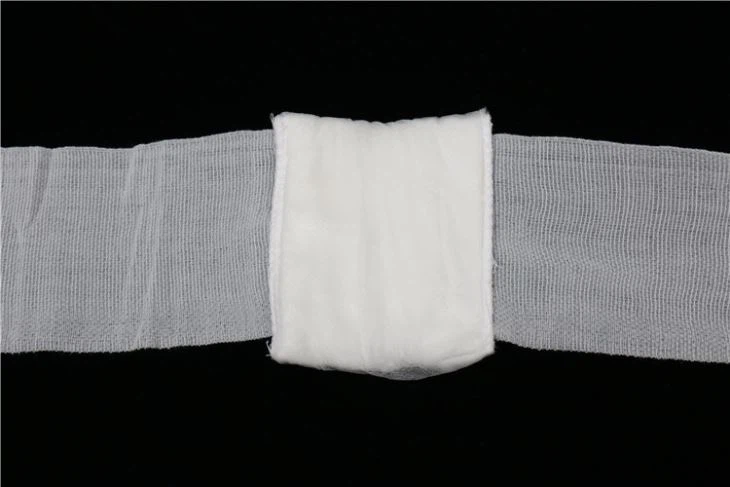
On the other hand, non - elastic bandages, such as gauze bandages, also have a degree of flexibility. They can be easily folded and wrapped around various body parts. While they may not stretch like elastic bandages, they can still conform to the shape of the wound or the body area being treated.
Importance of Flexibility in First Aid Bandages
Comfort for the Patient
A flexible bandage provides greater comfort to the patient. When a bandage can conform to the body's contours, it doesn't dig into the skin or cause irritation. This is especially important for long - term use, such as in the case of chronic wounds or injuries that require continuous bandaging. For example, if a patient has a sprained ankle and needs to wear a bandage for several days, a flexible bandage will allow them to move around more freely without feeling restricted or in pain.
Effective Wound Coverage
Flexibility ensures that the bandage can cover the wound completely. It can reach all the nooks and crannies around the wound, providing a barrier against dirt, bacteria, and other contaminants. This is crucial for preventing infection and promoting proper wound healing. For instance, when treating a wound on a finger, a flexible bandage can be wrapped tightly around the finger, ensuring that the wound is fully covered.

Ease of Application
Flexible bandages are easier to apply. They can be manipulated easily to fit the desired area, whether it's a small cut on the hand or a large wound on the thigh. This is beneficial for both medical professionals and laypeople who may need to administer first aid in an emergency situation. A flexible bandage can be quickly and efficiently wrapped around the injured area, saving valuable time in critical situations.
Types of First Aid Bandages and Their Flexibility
Elastic Bandages
Elastic bandages are highly flexible and are commonly used for sprains, strains, and joint injuries. They are made of a stretchy material that can provide compression and support to the injured area. The elasticity allows the bandage to adapt to the movement of the joint, providing continuous support during activity. For example, a 3 - inch elastic bandage can be wrapped around a sprained wrist to provide stability and reduce swelling. You can find high - quality 3 Inch First Aid Bandage on our website.
Gauze Bandages
Gauze bandages are another type of first aid bandage. They are made of a lightweight, breathable material that is flexible enough to be wrapped around various body parts. Gauze bandages are often used for covering wounds and absorbing blood. They can be easily cut to the desired size and shape, making them versatile for different types of injuries.
Adhesive Bandages
Adhesive bandages, also known as band - aids, are small, flexible bandages with an adhesive backing. They are designed to cover small cuts and abrasions. The flexibility of these bandages allows them to conform to the shape of the skin, providing a secure and comfortable fit. They are easy to apply and remove, making them a popular choice for minor injuries.
Flexibility and Different Body Parts
The flexibility of a first aid bandage is particularly important when treating different body parts.
Joints
Joints are areas of the body that require a high degree of flexibility in bandages. When a joint is injured, such as a knee or an elbow, a flexible bandage can be wrapped around the joint to provide support without restricting movement. This is crucial for maintaining joint mobility during the healing process. For example, a 4 - inch elastic bandage can be used to wrap around a knee injury. You can explore our 4 Inch First Aid Bandage options for this purpose.
Fingers and Toes
Fingers and toes are small and delicate body parts. A flexible bandage is essential for covering wounds on these areas. A bandage that can conform to the shape of the finger or toe will provide a better fit and prevent the bandage from slipping off. This is important for maintaining proper wound care and preventing further injury.
Torso
The torso has a large and irregular surface area. A flexible bandage can be wrapped around the torso to cover wounds or provide support for injuries such as rib fractures. The ability of the bandage to conform to the curves of the torso ensures a secure and comfortable fit.
Flexibility and Wound Healing
The flexibility of a first aid bandage can also impact the wound healing process. A flexible bandage allows for proper blood circulation around the wound. When a bandage is too tight or inflexible, it can restrict blood flow, which can slow down the healing process. On the other hand, a flexible bandage can be adjusted to provide the right amount of compression without impeding blood circulation.
In addition, a flexible bandage can help to keep the wound clean and protected. It can prevent the wound from being exposed to external factors that could cause infection. The ability of the bandage to conform to the wound area ensures that it stays in place, providing continuous protection.
Conclusion
The flexibility of a first aid bandage is a critical factor in its effectiveness. It provides comfort to the patient, ensures effective wound coverage, and makes the bandage easy to apply. Different types of first aid bandages offer varying levels of flexibility, and choosing the right one depends on the type of injury and the body part being treated.
As a first aid bandage supplier, we are committed to providing high - quality bandages that offer excellent flexibility. Our range of products includes elastic bandages, gauze bandages, and adhesive bandages, all designed to meet the diverse needs of our customers. If you are interested in purchasing first aid bandages for your medical facility, home, or workplace, we invite you to contact us for a purchase consultation. We are here to help you find the best bandages for your specific requirements.
References
- American Red Cross. First Aid Manual.
- Medical Journal of Wound Care. "The Role of Bandage Flexibility in Wound Healing."
- World Health Organization. Guidelines on First Aid.