



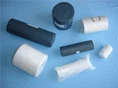



In the realm of first aid, a first aid bandage stands as a fundamental and indispensable component within first - aid kits. As a supplier of first aid bandages, I've witnessed firsthand the critical role these seemingly simple items play in emergency situations. This blog post will delve into the multifaceted functions of first aid bandages in first - aid kits, exploring their importance from various perspectives.
Wound Protection
One of the primary roles of a first aid bandage is to protect wounds from external contaminants. When a person suffers a cut, scrape, or abrasion, the exposed tissue becomes vulnerable to bacteria, dirt, and other harmful substances. A first aid bandage acts as a physical barrier, preventing these contaminants from entering the wound and causing infection.
For instance, in a household setting, a child might accidentally scrape their knee while playing outdoors. Applying a first aid bandage immediately helps keep dirt and germs at bay. The bandage creates a clean environment around the wound, allowing the body's natural healing processes to work more effectively. Similarly, in a workplace where employees are exposed to various hazards, a well - placed bandage on a minor cut can prevent potential infections that could lead to more serious health issues.
Our 4 Inch First Aid Bandage is particularly useful for larger wounds or areas that require more coverage. Its wider width ensures that a significant portion of the wound is protected, reducing the risk of external contamination. On the other hand, the 3 Inch First Aid Bandage is ideal for smaller wounds or areas with more precise requirements, such as fingers or toes.
Hemostasis
Another crucial function of first aid bandages is to assist in hemostasis, which is the process of stopping bleeding. When a blood vessel is damaged, the body initiates a series of complex physiological responses to form a blood clot and stop the bleeding. However, in some cases, external pressure and support are needed to aid this process.
A first aid bandage can be applied directly to the wound to apply pressure. By exerting pressure on the bleeding site, the bandage helps to slow down or stop the flow of blood. This is especially important in cases of minor to moderate bleeding. For example, if someone cuts their hand while cooking, applying a first aid bandage tightly over the wound can help control the bleeding until further medical assistance can be obtained.
In more severe cases, a first aid bandage can be used in combination with other first - aid techniques. For instance, if a person has a deep laceration on their arm, a tourniquet may be applied above the wound to control severe bleeding, and a first aid bandage can then be used to cover and protect the wound once the bleeding has been somewhat controlled.
Immobilization
First aid bandages also play a role in immobilizing injured body parts. In the event of a sprain or strain, immobilization is crucial to prevent further damage and promote healing. A bandage can be wrapped around the injured joint or muscle to provide support and limit movement.
For example, if someone sprains their ankle while playing sports, a properly applied first aid bandage can help stabilize the joint. The bandage restricts excessive movement, reducing pain and swelling. It also helps to keep the injured area in a proper position, allowing the body's natural healing mechanisms to repair the damaged tissues.
In addition to sports injuries, first aid bandages can be used for immobilization in other situations as well. For instance, in a workplace accident where an employee has a minor wrist injury, a bandage can be used to immobilize the wrist and prevent further harm until the person can receive professional medical care.
Comfort and Psychological Support
Beyond their physical functions, first aid bandages can provide comfort and psychological support to the injured person. The act of applying a bandage gives the injured individual a sense of being cared for and protected. It can also help reduce anxiety and fear associated with the injury.
When a person sees that their wound is being covered and treated, they often feel more secure. This psychological comfort can have a positive impact on the overall well - being of the injured person and may even aid in the healing process. For example, a child who has a small cut on their finger may be less likely to cry and be more cooperative if a colorful and friendly - looking first aid bandage is applied.
Versatility
First aid bandages are incredibly versatile and can be used in a variety of first - aid scenarios. They can be used alone or in combination with other first - aid supplies. For example, a bandage can be used to hold a cold pack in place on an injured area to reduce swelling. It can also be used to secure a splint for a broken bone.
Moreover, first aid bandages come in different shapes, sizes, and materials, which makes them suitable for different types of injuries and body parts. Some bandages are made of elastic materials, which provide stretch and flexibility, while others are made of non - elastic materials for more rigid support.


Importance in Different Settings
The role of first aid bandages varies depending on the setting. In a home first - aid kit, bandages are essential for treating minor injuries that occur during daily activities. From cuts and burns to blisters, a well - stocked supply of first aid bandages can handle most common household injuries.
In a school setting, first aid bandages are crucial for dealing with injuries that happen during physical education classes, recess, or other school - related activities. Teachers and school nurses rely on these bandages to provide immediate care to students.
In a workplace, first aid bandages are part of the safety protocol. They are used to treat work - related injuries, whether it's a minor cut from using tools or a more serious injury in a high - risk environment. Having an adequate supply of first aid bandages in the workplace can help prevent minor injuries from escalating into more serious problems.
In a sports environment, first aid bandages are used to treat injuries that occur during training or competitions. Athletes often rely on bandages for support and protection during physical activities, and they are an essential part of any sports first - aid kit.
Quality and Reliability
As a first aid bandage supplier, I understand the importance of providing high - quality and reliable products. A first aid bandage must be made of safe and durable materials. It should be able to adhere properly to the skin without causing irritation. The bandage should also be able to withstand normal movement and external forces without coming loose.
Our first aid bandages are manufactured using state - of - the - art technology and strict quality control measures. We ensure that each bandage meets the highest standards of safety and effectiveness. This is crucial because in an emergency situation, the reliability of the first aid bandage can make a significant difference in the outcome of the treatment.
Conclusion
In conclusion, the role of a first aid bandage in first - aid kits is multifaceted and vital. From protecting wounds and controlling bleeding to providing immobilization and psychological support, first aid bandages are an essential part of any first - aid strategy. As a supplier, I am committed to providing high - quality first aid bandages that meet the diverse needs of different settings.
If you are interested in purchasing our first aid bandages for your first - aid kits, whether for home, school, workplace, or sports use, please feel free to contact us for further details and to start a procurement discussion. We are here to ensure that you have access to the best first aid bandages to safeguard the health and well - being of those in your care.
References
- American Red Cross. First Aid Manual.
- World Health Organization. Guidelines on First Aid.
- National Institute for Occupational Safety and Health. First - Aid Practices in the Workplace.