



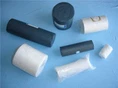



When it comes to medical supplies, compressed gauze is a staple in many healthcare settings. As a leading supplier of Compressed Gauze, we understand the importance of this product and the technical details that come with it. One common question that often arises is, "What is the thickness of compressed gauze?" In this blog post, we will delve into this question, explore the factors that affect the thickness, and discuss its implications in medical applications.
Understanding Compressed Gauze
Compressed gauze is a type of medical gauze that has been compressed to reduce its volume. This compression makes it more convenient to store and transport, especially in emergency situations where space may be limited. The gauze is typically made from cotton or a blend of cotton and synthetic fibers, which provides excellent absorbency and softness. When unfolded, it expands to provide a large surface area for wound coverage and absorption.
Measuring the Thickness of Compressed Gauze
The thickness of compressed gauze can vary depending on several factors, including the type of material used, the degree of compression, and the intended use. In general, the thickness is measured in millimeters (mm) or inches (in). To measure the thickness accurately, you will need a micrometer or a caliper. These tools are designed to measure small distances with high precision.
To measure the thickness of compressed gauze, follow these steps:
- Place the gauze on a flat, smooth surface.
- Gently place the measuring jaws of the micrometer or caliper on the gauze, making sure not to apply too much pressure.
- Read the measurement on the scale. This is the thickness of the compressed gauze.
Factors Affecting the Thickness of Compressed Gauze
Several factors can affect the thickness of compressed gauze, including:
- Material: The type of material used to make the gauze can have a significant impact on its thickness. Cotton gauze is typically thicker than synthetic gauze, as cotton fibers are naturally thicker and more absorbent.
- Degree of Compression: The more the gauze is compressed, the thinner it will be. However, excessive compression can also affect the absorbency and flexibility of the gauze.
- Number of Layers: Compressed gauze can be made from a single layer or multiple layers of gauze. The more layers there are, the thicker the gauze will be.
- Moisture Content: The moisture content of the gauze can also affect its thickness. Wet gauze is typically thicker than dry gauze, as the water adds weight and volume to the fibers.
Importance of Thickness in Medical Applications
The thickness of compressed gauze is an important factor to consider in medical applications. A thicker gauze may provide better absorbency and protection, but it may also be more bulky and less flexible. On the other hand, a thinner gauze may be more comfortable to wear and easier to use, but it may not provide as much absorbency or protection.
In wound care, the thickness of the gauze can affect its ability to absorb blood and other fluids. A thicker gauze may be more effective at absorbing large amounts of fluid, but it may also be more difficult to change. A thinner gauze may be more suitable for small wounds or for use as a secondary dressing.
In surgical procedures, the thickness of the gauze can affect its ability to provide hemostasis (control bleeding). A thicker gauze may be more effective at applying pressure to the wound and controlling bleeding, but it may also be more difficult to place in tight spaces. A thinner gauze may be more suitable for use in delicate procedures or for use in areas where space is limited.
Comparing Compressed Gauze with Other Types of Gauze
In addition to compressed gauze, there are several other types of gauze available on the market, including EZ Folded Gauze and Z-Rolled Gauze Roll. Each type of gauze has its own unique features and benefits, and the choice of gauze will depend on the specific application.
EZ Folded Gauze: EZ folded gauze is a type of gauze that is pre-folded for easy use. It is typically made from a single layer of gauze and is available in a variety of sizes and shapes. EZ folded gauze is easy to handle and can be used for a variety of medical applications, including wound care and surgical procedures.
Z-Rolled Gauze Roll: Z-rolled gauze roll is a type of gauze that is rolled in a Z-shaped pattern. This makes it easier to unroll and use, especially in tight spaces. Z-rolled gauze roll is typically made from a single layer of gauze and is available in a variety of sizes and lengths. It is commonly used in wound care and surgical procedures, as well as in first aid kits.
Conclusion
In conclusion, the thickness of compressed gauze is an important factor to consider in medical applications. The thickness can vary depending on several factors, including the type of material used, the degree of compression, and the intended use. When choosing compressed gauze, it is important to consider the specific needs of the application and select a gauze that provides the right balance of absorbency, flexibility, and thickness.


As a leading supplier of compressed gauze, we are committed to providing high-quality products that meet the needs of our customers. If you have any questions about compressed gauze or would like to learn more about our products, please contact us to discuss your procurement needs. We look forward to working with you and providing you with the best possible solutions for your medical supply needs.
References
- American Academy of Family Physicians. (2021). Wound Care: A Step-by-Step Guide. Available at: https://familydoctor.org/wound-care-a-step-by-step-guide/
- National Institutes of Health. (2021). Wound Healing: The Basics. Available at: https://www.ncbi.nlm.nih.gov/books/NBK532359/
- World Health Organization. (2021). Guidelines on Hand Hygiene in Health Care. Available at: https://www.who.int/publications/i/item/9789241597906