







Hey there! As a supplier of training bandages, I often get asked about the water absorption capacity of these bandages. It's a crucial factor, especially for those who use them in various training scenarios. So, let's dive right into it and explore what the water absorption capacity of a training bandage really means.

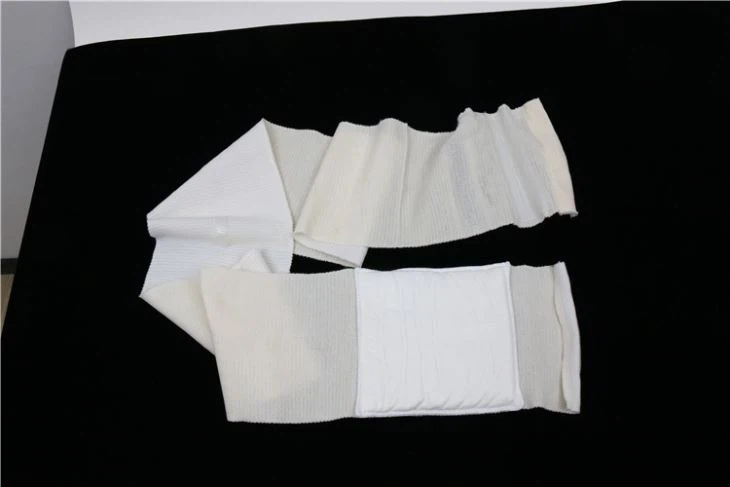
First off, what are training bandages? Well, we offer different types like the Abdominal Training Bandage, 4 Inch Training Bandage, and 6 Inch Training Bandage. These bandages are used for a variety of purposes, from sports training to first - aid practice.
The water absorption capacity of a training bandage refers to how much water it can soak up. This is important because in many training situations, the bandage might come into contact with sweat, water from cleaning, or even simulated blood in first - aid training.
Factors Affecting Water Absorption Capacity
1. Material
The material of the training bandage plays a huge role. Most of our bandages are made from cotton, which is known for its excellent absorbency. Cotton fibers have a natural affinity for water. They can hold a significant amount of moisture within their structure. For example, a pure cotton 4 - inch training bandage can absorb a decent amount of water compared to a bandage made from synthetic materials. Synthetic materials might be more water - resistant in some cases, but they usually don't have the same level of absorbency as cotton.
2. Thickness
Thicker bandages generally have a higher water absorption capacity. A thicker layer of material means more space for water to be held. Our 6 - inch training bandages, which are often a bit thicker than the 4 - inch ones, can soak up more water. When you think about it, it's like having more sponges stacked on top of each other. The more spongy layers you have, the more water they can hold.
3. Weave Pattern
The way the fabric is woven also affects absorption. A loose - weave pattern allows water to penetrate more easily and spread throughout the bandage. This means that water can be distributed evenly across the bandage, increasing its overall absorption. In contrast, a tight - weave pattern might restrict the flow of water, reducing the absorption capacity.
Measuring Water Absorption Capacity
There are a few ways to measure the water absorption capacity of a training bandage. One common method is the immersion test. In this test, a sample of the bandage is weighed dry. Then, it's fully immersed in water for a set period, usually around 10 - 15 minutes. After that, the excess water is allowed to drain off, and the bandage is weighed again. The difference in weight between the dry and wet bandages gives you the amount of water absorbed.
Let's say we take a dry 4 - inch training bandage that weighs 10 grams. After the immersion test, it weighs 30 grams. This means the bandage has absorbed 20 grams of water. This measurement can be used to compare different bandages and determine which ones are more absorbent.
Why Water Absorption Capacity Matters in Training
1. Sports Training
In sports training, athletes sweat a lot. If they use a training bandage to support a joint or muscle, a bandage with good water absorption capacity will keep them dry and comfortable. A bandage that can't absorb sweat effectively might become soggy and start to slip, which can be a major distraction during training.
2. First - Aid Training
In first - aid training, bandages are often used to simulate the treatment of wounds. Simulated blood or other fluids are used to make the training more realistic. A bandage with high water absorption capacity can mimic the way a real bandage would work in an actual emergency situation. It can soak up the simulated fluids quickly, allowing trainees to practice proper wound - dressing techniques.
Our Training Bandages and Their Absorption Capacities
Our Abdominal Training Bandage is designed with a focus on both support and absorption. Made from high - quality cotton, it can absorb a fair amount of water. This is great for athletes who might use it during intense abdominal workouts and start to sweat a lot.
The 4 Inch Training Bandage is a popular choice for various training purposes. It has a good balance between size and absorption. It's not too bulky but can still soak up a reasonable amount of water. Whether it's used for wrist support in sports or as a part of first - aid training, it gets the job done.
The 6 Inch Training Bandage, as mentioned earlier, is thicker and wider. It has a higher water absorption capacity, making it ideal for larger areas or situations where more fluid needs to be absorbed.
Tips for Maximizing Water Absorption
1. Proper Storage
Storing the bandages in a dry environment is important. If the bandages are exposed to moisture before use, they might already be partially saturated, reducing their ability to absorb more water during training. Keep them in a sealed container or a dry cabinet.
2. Pre - soaking (in some cases)
In first - aid training, pre - soaking the bandage slightly can help it absorb simulated blood more effectively. However, this should be done carefully, as over - soaking can make the bandage too heavy and difficult to handle.
Conclusion
The water absorption capacity of a training bandage is an important factor that can greatly impact its performance in various training scenarios. Our range of training bandages, including the Abdominal Training Bandage, 4 Inch Training Bandage, and 6 Inch Training Bandage, are designed to offer excellent absorption based on different needs.
If you're in the market for high - quality training bandages with great water absorption capacity, we'd love to have a chat with you. Whether you're a sports team, a first - aid training center, or an individual looking for the right bandage for your training, we can provide you with the best solutions. Get in touch with us to start the procurement process and find the perfect training bandages for your needs.
References
- "Textile Science: Fibers, Yarns, and Fabrics" by Pran V. Behera
- Research studies on medical textile absorbency published in the Journal of Textile Research