


Bandaging wounds
In outdoor activities that are colorful but full of unknown challenges, accidental injuries are common. In this case, triangular bandages become a powerful assistant in dealing with wounds. Triangular bandages, this seemingly simple medical product, actually have a long history and a wide range of uses. It is usually made of soft, breathable cloth, and the color is generally white, which is convenient for observing the condition of the wound. Its shape is like a triangle, with strong flexibility and adaptability, and it can be folded into various suitable shapes according to different wound conditions.
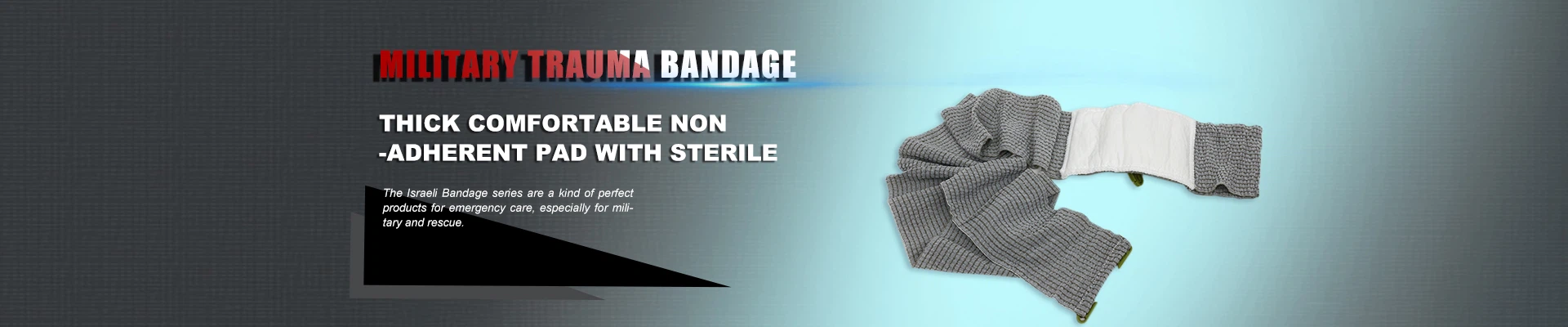
When encountering the above wounds, first calm down and assess the severity of the wound. If it is just a minor scratch with less bleeding, you can immediately use a triangular bandage for bandaging. The operator should wash his hands first or wear clean gloves to avoid bringing bacteria to the wound. Then, fold the triangular bandage into a suitable shape according to the size and location of the wound. If the wound is on the finger, the triangular bandage can be folded into a narrow strip; if the wound is on the arm, it can be folded into a wider strip. Next, carefully cover the wound with the folded triangular bandage, and be gentle to avoid touching the wound and causing pain. After covering, use appropriate methods to fix it. You can use the knotting method, but be careful not to tie it too tightly to avoid affecting blood circulation; you can also use tools such as safety pins to fix it. After fixing it, check whether the bandage is firm and observe whether the bleeding of the wound is under control. Through such bandaging, it can effectively stop bleeding and isolate the wound from the external environment to prevent the wound from being exposed to bacterial infection. Once bacteria enter the wound, they may cause inflammation, leading to suppuration of the wound and slow healing. The triangular bandage is like a loyal guard, guarding the wound and creating good conditions for the healing of the wound.
Fixing the sprained part
In outdoor activities, the terrain is complex and changeable, full of various potential dangers. When someone has such a slight sprain of the arm or leg, the triangular bandage can play an important role in fixing it. After a sprain, the injured part will experience symptoms such as pain and swelling. If it is not fixed in time, the injured joint may be further damaged during the activity, causing the condition to worsen. The triangular bandage is like a sturdy bracket that can provide the necessary support and stability for the injured joint.
When using a triangular bandage to fix the sprained part, the injured player should be kept as quiet as possible to avoid further movement of the injured joint. Then, the triangular bandage is passed around the injured joint. For example, if the arm is sprained, the triangular bandage is passed from the bottom of the arm to bypass the elbow joint; if the leg is sprained, the triangular bandage is passed from one side of the leg to bypass the knee joint. In the process of bypassing the joint, it is important to pay attention to the moderate tightness of the bandage, which should not be too loose, otherwise it will not play a fixing role, nor too tight, so as not to affect blood circulation. Next, cross the two ends of the bandage and then tie a knot in the appropriate position to fix it. Pay attention to the strength when tying the knot to ensure that the bandage is firmly fixed to the injured part. After fixation, the injured player can feel that the pain in the joint is relieved because the triangular bandage limits the range of motion of the joint and reduces further damage to the joint. At the same time, fixation also helps to reduce swelling and promote the recovery of the injured part.
Assistance in carrying heavy objects
Sometimes, you need to carry some heavy objects during outdoor activities. The waist is an important supporting part of the human body. It connects the upper and lower body and bears most of the weight of the body. When carrying heavy objects, the muscles and bones of the waist need to bear extra force. If the posture is incorrect or there is not enough support, it may cause problems such as waist pain, muscle strain, and even lumbar disc herniation.
At this time, the triangular bandage can play its auxiliary role. Fold the triangular bandage into a suitable width. Generally speaking, the width is about 10-15 cm. After folding, wrap it around the waist. When wrapping, keep the triangular bandage close to the waist, starting from one side of the waist, around the abdomen, and then back to the starting side. During the bandaging process, pay attention to adjusting the tightness of the bandage to provide sufficient support but not make people feel too tight.
The triangular bandage is like an additional waist supporter, which can help share the pressure on the waist. When carrying heavy objects, the triangular bandage can distribute part of the weight to other parts of the body, reducing the burden on the waist muscles. At the same time, it can also play a certain role in fixing the waist, maintaining the correct posture of the waist, and avoiding excessive bending or twisting of the waist. In this way, the risk of waist injury can be greatly reduced, making the process of carrying heavy objects safer and easier.