

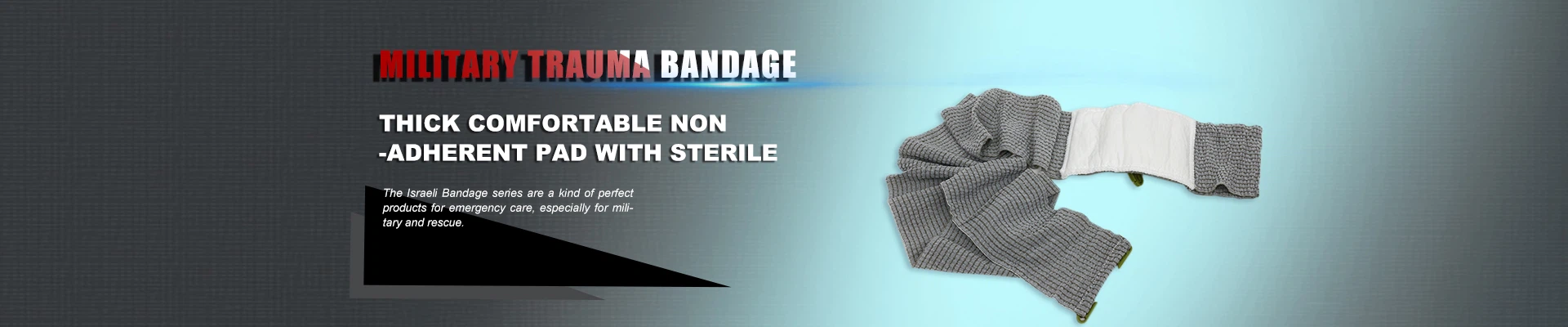



The purpose of bandaging a wound is to secure the gauze covering the wound, immobilize fractures or contusions, provide pressure to stop bleeding, and protect the affected area.
Techniques:
1. Circular Method: This method is often used for the wrist and areas of the limb with equal thickness. First, wrap the bandage in a circular fashion. The first wrap should be slightly angled; the second and third wraps are circular, and the angled corner of the first wrap is pressed under the circular wraps. Finally, secure the end of the bandage with adhesive tape, or cut the end into two strips and tie a knot.
2. Serpentine Method: This method is often used for securing splints. First, wrap the bandage several times using the circular method. Then, wrap diagonally upwards or downwards at intervals according to the width of the bandage.
3. Spiral Method: This method is often used for areas of the limb with equal thickness. First, wrap several times using the circular method. Each subsequent wrap overlaps the previous wrap by one-third or two-thirds, forming a spiral.
4. Spiral Reverse Fold Method: This method is used for areas of the limb with unequal thickness. First, wrap using the circular method. When reaching a thicker area, reverse fold each wrap of the bandage, overlapping the previous wrap by one-third or two-thirds. Continue wrapping from bottom to top in this manner.
Precautions:
1. The key to proper bandaging is to avoid wrapping too tightly or too loosely. Otherwise, it can cause poor blood circulation or the bandage may be too loose to secure the gauze. If you are inexperienced, after bandaging, check for signs of poor circulation such as coolness or swelling in the distal part of the limb.
2. When tying a knot, avoid placing it directly over the wound or on the back of the body to prevent discomfort while sleeping.
3. In emergency situations where bandages are unavailable, towels, handkerchiefs, bed sheets (torn into narrow strips), or long nylon stockings can be used as substitutes for bandages.