


Several common emergency hemostasis methods
Bleeding is very common in our life. Being scratched, scratched or injured by a knife may lead to bleeding. If we encounter this sudden situation in our life and lead to bleeding, what methods can we use to stop bleeding? Several common first-aid hemostasis methods include pressure bandage hemostasis, compression hemostasis, compression hemostasis and compression hemostasis.
1、 Pressure bandage hemostasis
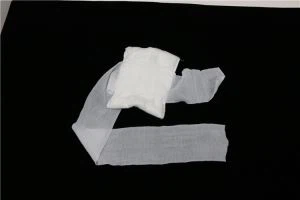
Pressure bandage hemostasis is the most commonly used hemostasis method, which is widely used. Pressure bandage hemostasis is used to treat the bleeding of arterioles, veins or capillaries such as trauma, bite and burn. However, when there are broken bones in the wound, this method should be prohibited to avoid aggravating the injury. The operation method is relatively simple. First, we can disinfect the wound with alcohol or iodine, and then cover the wound with two or three pieces of disinfection gauze. After bandaging, apply elastic bandage, or apply ordinary bandage with certain pressure, so that the wound can be subjected to some pressure. Generally, after such treatment, small and medium-sized bleeding, Can stop the outflow of blood.
Pressure bandage hemostasis can effectively prevent wound and incision exudation, edema, swelling, bruising, bleeding and bleeding. Generally, patients can carry out preliminary treatment at home, but pay attention to the condition of the wound and be sure to disinfect to prevent infection. For serious wounds, be sure to seek medical treatment in time to prevent the deterioration of the wound.
2、 Compression hemostasis
Generally speaking, compression hemostasis is to press and hold the bleeding part to achieve the purpose of hemostasis. It is the most rapid temporary hemostasis method for arterial bleeding. The specific treatment method is to flatten the artery on the bone with fingers or palms on the upper end of the injury to block the passage of blood, so as to stop the bleeding immediately. Compression hemostasis is generally limited to superficial parts of the body and easily compressed arteries. Like brachial artery compression hemostasis, this hemostasis is applicable to bleeding in the hand, forearm and lower upper arm. At the same time, it is also applicable to the cervical artery. When a large area of bleeding occurs in the head, it can compress the carotid arteries on both sides of the cervical trachea, but not both sides at the same time, so as not to aggravate the disease due to insufficient blood supply to the brain. Then, it should be sent to a nearby hospital for treatment immediately.
3、 Tamponade hemostasis
The packing hemostasis method is to insert gauze into the cavity, wrap bandage with sterile gauze externally, press and fix it, and shrink the ruptured microvessels through appropriate pressure to achieve the effect of hemostasis. This hemostatic method is mainly applicable to deep and wide wounds, such as inguinal, axillary, shoulder and other wounds, or hemostasis in surgical incision. When taking out the filled gauze, it should be gentle and slow to avoid excessive force, which will cause the capillaries in the wound to be damaged again and cause bleeding. This method has general hemostatic effect and low pressure. It can not be used for rupture and bleeding of arteries or veins, but only for rupture and bleeding of small wounds.
4、 Tourniquet
Tourniquet hemostasis refers to the use of bandages, rubber hoses, triangular towels, etc. to bind the bleeding limbs to block the blood flow to stop bleeding. It is generally applicable to the bleeding of the great arteries of the limbs. In case of bleeding of limbs or large arteries, the injured limb shall be raised first, and a protective pad shall be added to the tourniquet to protect the skin. Position of tourniquet: the upper limb is the upper 1 / 3 of the upper arm, and the lower limb is the middle and upper 1 / 3 of the thigh.