




Trauma bandaging refers to a temporary measure of initial treatment and protection of an injured person's wound before medical personnel arrive. The correct bandaging method is crucial for reducing the pain and further injury of the injured. The following is an introduction to the correct method of trauma bandaging:
Assess injuries and prepare materials
Before starting to bandage, it is necessary to assess the injured person's condition, including the location, type, and severity of the wound, as well as their psychological state. Choose appropriate dressing materials based on the severity of the injury. Common dressing materials include bandages, triangular scarves, and four headbands. If you don't have these professional materials, you can also use towels, handkerchiefs, and other items for wrapping. It is important to ensure that the materials used are clean, dry, and sterile.
Cleaning and covering wounds
Before bandaging, the dirt and blood around the wound should be cleaned thoroughly, and sterile dressings or clean cloths should be used to cover the wound to prevent infection and further contamination. For more serious injuries, such as severe bleeding, fractures, extensive burns, etc., preliminary hemostasis and fixation may be necessary in emergency situations.
Bandaging techniques
Triangle bandage method
Triangle scarves are one of the most commonly used dressing materials, which can be used to wrap wounds on the head, face, limbs, and torso. The specific bandaging methods include fish tail bandaging, facial bandaging, and full body bandaging.
Towel wrapping method
Towels can also be used as dressing materials for the arms, legs, and joints. The specific bandaging methods include arm trauma bandaging, elbow and knee trauma bandaging, foot trauma bandaging, etc.
Bandage wrapping method
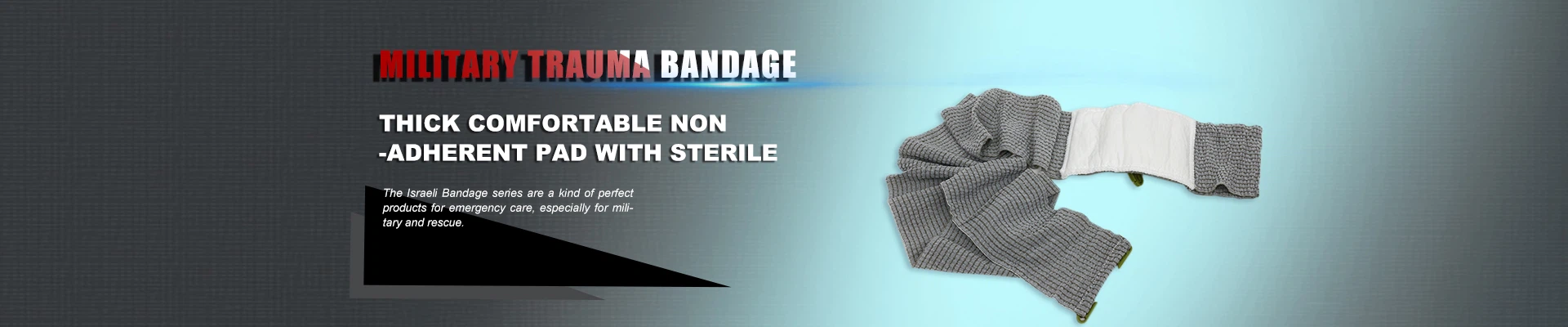
The bandaging method includes various methods such as circular bandaging, spiral bandaging, "8" - shaped bandaging, and spiral reverse bandaging, which are suitable for bandaging different parts. For example, circular bandaging is suitable for dressing evenly distributed areas of limbs, while the "8" - shaped bandaging is suitable for dressing joints, hands, feet, and other areas.