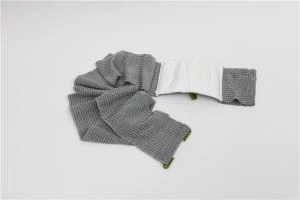

Emergency hemostatic bandage is a medical device commonly used in emergency situations. It is a medical elastic bandage that plays a variety of roles such as fixation, support, and compression. It is mainly used to stop bleeding in sudden accidents or trauma. For those who learn to use emergency hemostatic bandages, this is a valuable skill, so summarize the usage methods and precautions.
Usage:
1.It is important to carefully observe the patient's wound location and take protective measures as much as possible. For patients with special diseases or particularly fragile physical conditions, caution should be exercised during operation and use to avoid adverse consequences for the patient.
2. Remove the emergency hemostatic bandage and wrap a section directly around the injured area for fixation. The wrapping should be gentle and not excessive. If an elastic hemostatic bandage is used, it is necessary to grasp the force when wrapping. Generally speaking, a hard hemostatic bandage will be easier to use and more convenient.
3. Tightly wrap the tourniquet and choose a suitable tightening method based on the injured area, usually near the wound area, to keep the tourniquet tight and not loose, to ensure better hemostatic effect. Especially for critically ill patients with severe bleeding, the entanglement time should be particularly fast, as only by quickly and effectively implementing hemostatic measures can the emergency situation be quickly relieved.
4. Conduct regular checks, and when the patient's condition allows, conduct regular tests to confirm the hemostatic effect and patient comfort. During standing, coughing, or activity, repeatedly wrap the tourniquet until the emergency surgical personnel arrive at the scene.
Precautions:
1.When using emergency hemostatic bandages, it is important to ensure that their material is safe and effective in stopping bleeding. At the same time, it is important to be careful not to tie them too tightly or wrap them around iron wire or other hard objects to avoid injury to the wound, or to generate pressure and damage to the organs and tissues inside the wound.
2. Reasonably control the wrapping position of the tourniquet. When wrapping the tourniquet around the wound, special attention should be paid to ensure that the surrounding tissues and organs of the wound are not harmed again. It is best to bandage the wound as much as possible before implementing first aid to prevent blood leakage.
3. The time for wrapping the tourniquet should not be too long. After the patient arrives at the medical institution, the tourniquet needs to be removed in a timely manner and further testing and treatment should be carried out. The wrapping time should generally not exceed 2 hours to avoid discomfort and risk to the patient.
The use of emergency hemostatic bandages is relatively simple, and only basic principles need to be followed to effectively curb large-scale bleeding. However, in emergency first aid situations, it is necessary to pay attention to timely and appropriate situation judgment and response plans, while ensuring the effective, safe, and non-injured fixation of the tourniquet, in order to achieve a positive effect that is beneficial to the overall health level of society.