

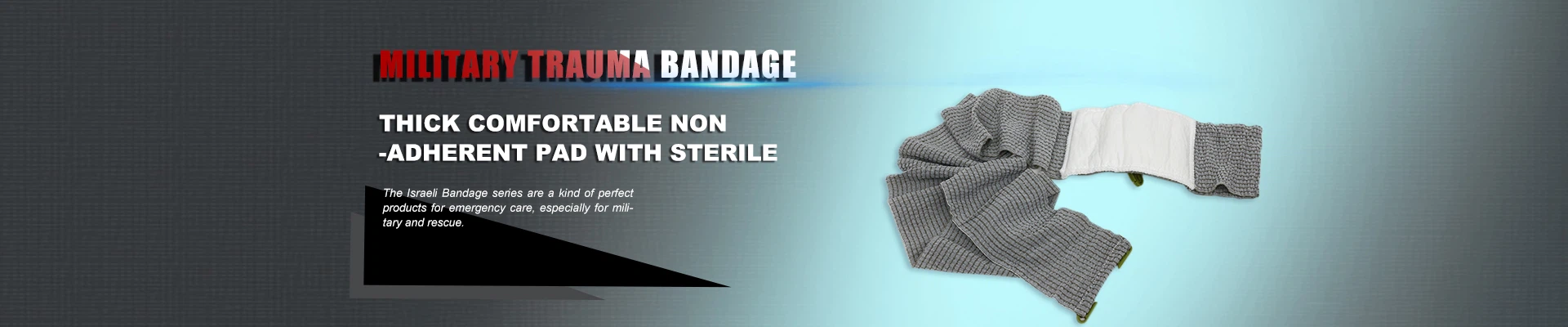



1. The tourniquet should be placed near the end of the wound. The upper arm and leg should be stretched in 1/3 of the site. The upper arm of the 1/3 prohibit the hemodynamic changes, so as to avoid nerve caused by upper limb paralysis.
2. Before the tourniquet, first use a towel or other cloth, cotton wool as a pad, tourniquet should not be directly tied to the skin; In an emergency, can roll up the trousers or cuffs, and the tourniquet on it.
3. It is necessary to tie the elastic, too tight can easily damage the nerve, too loose can not achieve the purpose of hemostasis. Generally, the distal artery pulse cannot be touched or the bleeding stops.
4. Ligation time is too long, can cause limb ischemic necrosis. Therefore, it is necessary to relax 2~3min Every 1H (upper or lower limbs); During the relaxation period, the application of finger pressure to temporarily stop bleeding. It should be relaxed every 30min during the cold season.
5. There must be a logo on the upper tourniquet, indicating the time and location of the tourniquet. The wounded with a tourniquet to stop bleeding should be sent to the hospital as soon as possible to prevent the distal limb from necrosis due to ischemia.
