




Are there organic cotton balls? This is a question that has been on the minds of many consumers in recent years, as the demand for natural and sustainable products continues to rise. As a cotton ball supplier, I've seen firsthand the growing interest in organic options. In this blog post, I'll explore the world of organic cotton balls, including what they are, their benefits, and how they fit into the broader cotton ball market.
What are Organic Cotton Balls?
Organic cotton balls are made from cotton that has been grown without the use of synthetic pesticides, fertilizers, genetically modified organisms (GMOs), or other harmful chemicals. The production process adheres to strict organic standards, which are set by various certification bodies around the world. These standards ensure that the cotton is grown in an environmentally friendly and sustainable manner, and that the final product is free from potentially harmful residues.
The cultivation of organic cotton typically involves natural methods such as crop rotation, composting, and the use of beneficial insects to control pests. This approach not only protects the environment but also promotes the health of farmers and farmworkers who are exposed to fewer toxic chemicals. Once the cotton is harvested, it is processed into cotton balls using mechanical methods that do not involve the use of harsh chemicals.
Benefits of Organic Cotton Balls
Health Benefits
One of the primary reasons consumers are turning to organic cotton balls is for their health benefits. Conventional cotton is often treated with a variety of chemicals during the growing and processing stages, some of which can be absorbed by the skin. These chemicals may include pesticides, herbicides, and synthetic dyes, which have been linked to a range of health problems, including skin irritation, allergies, and even certain types of cancer.
Organic cotton balls, on the other hand, are free from these harmful chemicals, making them a safer choice for sensitive skin. They are particularly popular among parents who use them to care for their babies' delicate skin. Additionally, organic cotton is more breathable than conventional cotton, which can help prevent skin conditions such as diaper rash and acne.
Environmental Benefits
Organic cotton farming has a significantly lower environmental impact compared to conventional cotton farming. The use of synthetic pesticides and fertilizers in conventional cotton production can contaminate soil, water, and air, and harm wildlife and beneficial insects. Organic farming methods, on the other hand, help to preserve soil fertility, reduce water pollution, and protect biodiversity.
Furthermore, organic cotton production typically uses less water than conventional cotton production. This is because organic farmers often rely on natural rainfall and efficient irrigation methods, rather than large-scale irrigation systems that can deplete water resources. By choosing organic cotton balls, consumers can contribute to a more sustainable and environmentally friendly cotton industry.
Ethical Benefits
In addition to the health and environmental benefits, organic cotton balls also offer ethical advantages. Organic cotton farming often provides better working conditions and fairer wages for farmers and farmworkers, particularly in developing countries. By supporting the organic cotton industry, consumers can help to promote social justice and economic development in these regions.
The Market for Organic Cotton Balls
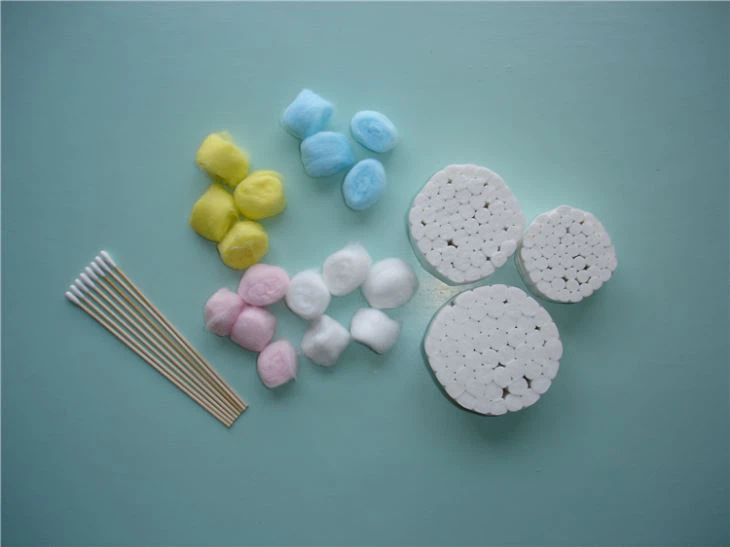
The demand for organic cotton balls has been steadily increasing in recent years, as consumers become more aware of the benefits of organic products. This trend is reflected in the growing number of organic cotton ball products available on the market. Many health food stores, natural beauty stores, and online retailers now offer a wide range of organic cotton ball options, including Sterile Cotton Wool Ball and Cotton Wool Ball.
However, despite the growing popularity of organic cotton balls, they still represent a relatively small segment of the overall cotton ball market. One of the main challenges facing the organic cotton ball industry is the higher cost of production. Organic cotton is generally more expensive to grow and process than conventional cotton, which is reflected in the higher price of organic cotton ball products. This can make it difficult for some consumers to justify the extra cost, particularly in a market where conventional cotton balls are widely available at a lower price.
Challenges and Opportunities for Cotton Ball Suppliers
As a cotton ball supplier, I am well aware of the challenges and opportunities presented by the growing demand for organic cotton balls. On the one hand, the increasing popularity of organic products presents a significant opportunity for growth. By offering organic cotton ball options, we can tap into a growing market segment and differentiate ourselves from competitors.
On the other hand, there are several challenges that we need to address in order to successfully meet the demand for organic cotton balls. One of the main challenges is sourcing high-quality organic cotton. Organic cotton is in high demand, and there can be shortages in the market, particularly during peak seasons. This can make it difficult to ensure a consistent supply of organic cotton for our products.

Another challenge is educating consumers about the benefits of organic cotton balls and justifying the higher price. Many consumers are still not fully aware of the health, environmental, and ethical benefits of organic cotton, and may be reluctant to pay more for organic products. As a supplier, we need to invest in marketing and education initiatives to raise awareness about the advantages of organic cotton balls and help consumers make informed purchasing decisions.
Conclusion
In conclusion, there are indeed organic cotton balls available on the market, and they offer a range of benefits for consumers, the environment, and society. While there are challenges facing the organic cotton ball industry, such as higher production costs and sourcing difficulties, there are also significant opportunities for growth. As a cotton ball supplier, I am committed to meeting the growing demand for organic cotton balls by offering high-quality products and educating consumers about the benefits of organic cotton.
If you are interested in learning more about our organic cotton ball products or would like to discuss a potential partnership, please feel free to reach out. We are always happy to engage in discussions with potential buyers and explore opportunities for collaboration. Whether you are a retailer looking to expand your product line or a consumer interested in purchasing organic cotton balls in bulk, we are here to help.
References
- Smith, J. (2020). The Benefits of Organic Cotton. Journal of Sustainable Textiles, 15(2), 45-56.
- Johnson, A. (2019). Organic Cotton Farming: A Sustainable Alternative. Agricultural Research Review, 37(3), 210-221.
- Greenpeace. (2018). Detoxing Fashion: The Hidden Cost of Fast Fashion. Greenpeace International Report.