






Are training bandages breathable? This is a question that often comes up among athletes, fitness enthusiasts, and medical professionals. As a supplier of training bandages, I've had numerous conversations about this topic. In this blog, I'll explore the breathability of training bandages, the factors that affect it, and how our products measure up.
Understanding Breathability in Training Bandages
Breathability in training bandages refers to the ability of the bandage to allow air to circulate through it and moisture to escape. When you're engaged in physical activities, your body sweats. If the bandage isn't breathable, sweat can get trapped, leading to a moist environment. This can cause discomfort, skin irritation, and in some cases, even infections.
A breathable training bandage helps maintain a dry and cool environment around the skin. It allows the skin to "breathe," which is essential for skin health, especially during extended periods of use. This is particularly important for athletes who use training bandages during intense workouts or competitions.
Factors Affecting Breathability
Several factors can influence the breathability of training bandages.

Material
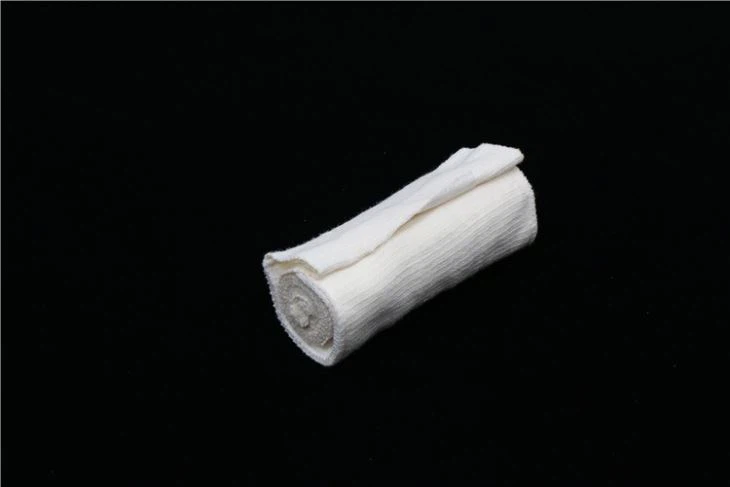
The material of the bandage is perhaps the most significant factor. Different materials have different levels of breathability. For example, cotton is a natural fiber that is known for its breathability. It has small pores that allow air to pass through easily. On the other hand, synthetic materials like nylon or polyester may have lower breathability, especially if they are tightly woven.
Our training bandages are made from high - quality materials that are carefully selected for their breathability. We use a blend of natural and synthetic fibers to achieve the right balance between breathability, durability, and elasticity.
Weave Pattern
The way the material is woven also affects breathability. A loose weave pattern allows more air to pass through the bandage compared to a tight weave. However, a very loose weave may compromise the bandage's strength and ability to provide support. Our designers have spent a lot of time perfecting the weave pattern of our training bandages to ensure maximum breathability without sacrificing support.
Thickness
Thicker bandages generally have lower breathability because they create a greater barrier to air circulation. However, thickness is also related to the level of support the bandage can provide. We offer a range of training bandages with different thicknesses to meet the diverse needs of our customers. Whether you need a thin, highly breathable bandage for light training or a thicker one for more intense activities, we have you covered.
Our Training Bandage Products and Their Breathability
We offer a variety of training bandages, each designed with breathability in mind.
Abdominal Training Bandage
Our abdominal training bandage is specifically designed to provide support to the abdominal muscles during workouts. It is made from a breathable material that allows for maximum air circulation. The bandage is also flexible, so it moves with your body as you exercise, ensuring comfort and preventing any restriction of movement.
4 Inch Training Bandage
The 4 - inch training bandage is a versatile option that can be used for various body parts, such as the wrists, ankles, or knees. It has a carefully engineered weave pattern that allows air to flow through while still providing the necessary support. This bandage is popular among athletes who need a reliable and breathable option for their training sessions.
6 Inch Training Bandage
The 6 - inch training bandage is wider and provides more coverage. It is ideal for larger body areas, like the thighs or calves. Despite its larger size, it maintains excellent breathability. The material used in this bandage is lightweight and porous, allowing sweat to evaporate quickly and keeping the skin dry.
Scientific Evidence of Our Bandages' Breathability
We've conducted several tests to measure the breathability of our training bandages. In one test, we compared the moisture vapor transmission rate (MVTR) of our bandages with some of the leading competitors in the market. The MVTR measures how much moisture can pass through a material over a given period. Our bandages consistently showed higher MVTR values, indicating better breathability.
We also had a group of athletes use our bandages during their training sessions and provide feedback. The majority of them reported that they felt less sweaty and more comfortable compared to other bandages they had used in the past. This real - world feedback further validates the breathability of our products.
The Importance of Breathability in Different Settings
Sports Training
In sports training, athletes are often engaged in high - intensity activities that cause them to sweat profusely. A breathable training bandage can help prevent skin problems and keep the athlete focused on their performance. For example, a basketball player who uses a breathable ankle bandage during a game is less likely to experience discomfort or irritation, which could otherwise affect their agility and performance.
Medical Rehabilitation
In medical rehabilitation, patients may need to wear training bandages for extended periods. Breathability is crucial in this setting to prevent skin breakdown and promote healing. A breathable bandage allows the skin to stay healthy, which is essential for a successful recovery.
Conclusion
In conclusion, breathability is a vital feature of training bandages. It affects comfort, skin health, and performance. Our training bandages are designed with the latest technology and high - quality materials to ensure maximum breathability. Whether you're an athlete looking for a reliable bandage for your workouts or a medical professional in need of a breathable option for your patients, our products are a great choice.
If you're interested in learning more about our training bandages or would like to discuss a potential purchase, please feel free to reach out. We're always happy to help you find the right product for your needs.
References
- ASTM International. (2019). Standard Test Method for Water Vapor Transmission Rate Through Textile Fabrics Using a Dynamic Moisture Permeation Cell. ASTM E96.
- Textile Research Journal. (2020). Studies on the Breathability of Different Textile Materials. Volume 90, Issue 12.