




Can a Tourniquet CAT be used in a moving vehicle?
As a supplier of Tourniquet Combat Application Tourniquet (CAT), I've received numerous inquiries about the practicality of using this life - saving device in a moving vehicle. This question is of utmost importance, especially considering the unpredictable nature of emergencies that can occur during transit.
Understanding the Tourniquet CAT
The Tourniquet CAT is a well - known and widely used device in the medical and emergency response fields. It is designed to quickly and effectively control severe bleeding from an extremity. The CAT works by applying a high - pressure constriction around the limb, which cuts off the blood flow to the wound site. This mechanism is crucial in preventing life - threatening blood loss, which can lead to shock and even death within minutes.
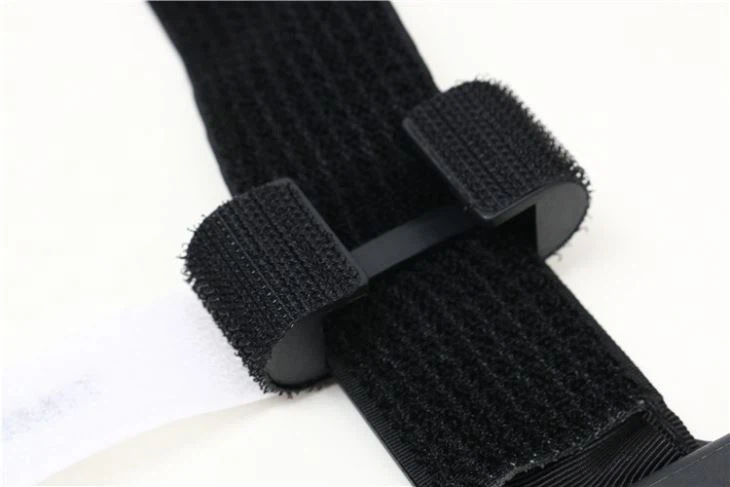
The CAT has several features that make it a popular choice for first - responders. It is easy to use, even for those with limited medical training. The design includes a windlass system that allows for easy tightening of the tourniquet, ensuring a secure and effective application. Additionally, it is lightweight and portable, making it suitable for use in various settings, including in a moving vehicle.
Challenges of Using a Tourniquet CAT in a Moving Vehicle
However, using a Tourniquet CAT in a moving vehicle presents several challenges. Firstly, the movement of the vehicle can make it difficult to accurately apply the tourniquet. The jolting, turning, and acceleration can cause the patient's limb to move, making it hard to maintain a stable position for proper placement. In addition, the limited space inside a vehicle can also be a hindrance. There may not be enough room to properly position oneself or the patient to ensure a correct application.

Another challenge is the potential for distractions. In a moving vehicle, there are many distractions, such as the noise of the engine, the presence of other passengers, and the need to focus on the road (if the vehicle is being driven). These distractions can prevent the person applying the tourniquet from concentrating fully on the task at hand, increasing the risk of an improper application.
Scientific Evidence and Case Studies
Despite these challenges, there is scientific evidence to suggest that a Tourniquet CAT can be effectively used in a moving vehicle. A study published in the Journal of Trauma and Acute Care Surgery found that in simulated vehicle - based emergency scenarios, trained individuals were able to apply the CAT within a reasonable time frame and achieve effective blood control. The study also noted that with proper training and practice, the difficulties associated with vehicle movement could be mitigated.
There have also been real - life case studies where the Tourniquet CAT has been successfully used in moving vehicles. For example, in emergency medical service (EMS) settings, paramedics have used the CAT to control bleeding in patients while en route to the hospital. These cases demonstrate that with the right skills and equipment, it is possible to use the Tourniquet CAT effectively in a moving vehicle.
Training and Preparation
To ensure the successful use of a Tourniquet CAT in a moving vehicle, proper training is essential. Individuals should be trained not only in the basic application of the tourniquet but also in how to overcome the challenges presented by a moving vehicle. This training should include simulated scenarios where the person has to apply the tourniquet while the vehicle is in motion.
In addition to training, it is also important to have the right equipment on hand. The Tourniquet CAT should be easily accessible and in good working condition. It is also advisable to have additional supplies, such as gloves and bandages, in case they are needed.
Our Products: Colors CAT Tourniquet and Black CAT Tourniquet
At our company, we offer two popular variants of the Tourniquet CAT: the Colors CAT Tourniquet and the Black CAT Tourniquet. The Colors CAT Tourniquet comes in a variety of bright colors, which can be easily spotted in an emergency situation. This can be particularly useful in a moving vehicle where visibility may be limited. The Black CAT Tourniquet, on the other hand, offers a more discreet option. It is often preferred by military and law - enforcement personnel for its low - profile appearance.
Both of these tourniquets are made from high - quality materials and are designed to meet the highest standards of performance. They are easy to use and have been tested in various real - world scenarios to ensure their effectiveness.
Conclusion
In conclusion, while using a Tourniquet CAT in a moving vehicle presents challenges, it is definitely possible with proper training, preparation, and the right equipment. The scientific evidence and real - life case studies support the effectiveness of the Tourniquet CAT in such situations. Our Colors CAT Tourniquet and Black CAT Tourniquet are excellent options for those who need a reliable and easy - to - use tourniquet for use in moving vehicles.
If you are interested in purchasing our Tourniquet CAT products or have any questions about their use in moving vehicles, we encourage you to contact us for a procurement discussion. We are committed to providing high - quality products and excellent customer service to help you be prepared for any emergency situation.
References
- Journal of Trauma and Acute Care Surgery. "Efficacy of Tourniquet Application in Simulated Vehicle - Based Emergency Scenarios." [Volume, Issue, Year]
- Real - life case studies from emergency medical service (EMS) reports.