




Can Compressed Gauze Be Used on Head Wounds?
As a supplier of Compressed Gauze, I often encounter questions from medical professionals, first - aid providers, and even the general public about the appropriate use of our products. One of the most common inquiries is whether compressed gauze can be used on head wounds. In this blog, I will delve into this topic to provide a comprehensive answer.
Understanding Head Wounds
Head wounds can vary greatly in severity and nature. Minor cuts and abrasions on the scalp are relatively common, often resulting from everyday accidents such as bumping into objects. These wounds may cause some bleeding but are usually not life - threatening. On the other hand, more severe head injuries can involve skull fractures, brain damage, and significant blood loss. These require immediate medical attention and often complex treatment.
The scalp has a rich blood supply due to the numerous blood vessels that nourish the hair follicles and the skin. As a result, even minor head wounds can bleed profusely. Controlling this bleeding is crucial to prevent excessive blood loss, which can lead to shock and other complications.

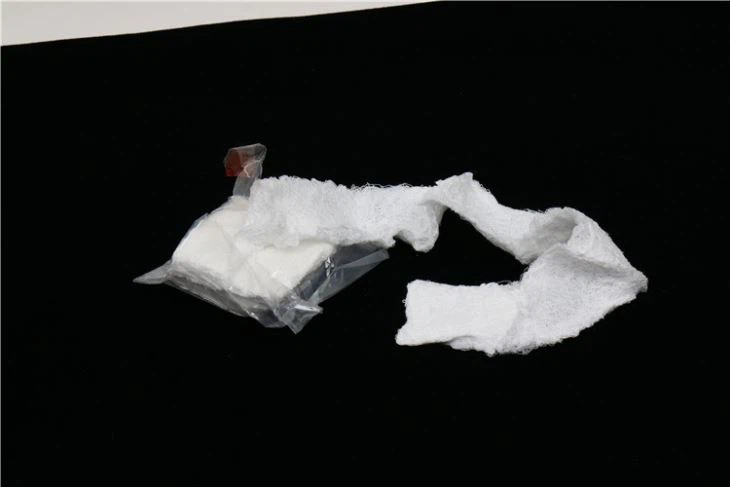
What is Compressed Gauze?
Compressed gauze is a type of medical dressing that has been compressed to reduce its size and volume. This makes it more convenient to store and transport. When needed, it can be easily expanded by applying pressure or soaking it in a suitable liquid. Compressed gauze is typically made of absorbent materials such as cotton, which can effectively absorb blood and other bodily fluids.
Our Compressed Gauze is designed with high - quality materials and advanced manufacturing techniques. It is sterile, ensuring that it minimizes the risk of infection when used on wounds. The compression process also gives it a high degree of structural integrity, allowing it to maintain its shape and function even when under pressure.
Advantages of Using Compressed Gauze on Head Wounds
- Space - Saving and Portable
In emergency situations, especially those that occur outside of a medical facility, space and portability are crucial. Compressed gauze takes up much less space than traditional non - compressed gauze, making it easier to carry in first - aid kits. For example, in a backpack for hiking or a car's first - aid kit, the compact size of compressed gauze allows for more efficient use of limited space. - Rapid Expansion and Absorption
When applied to a head wound, compressed gauze can quickly expand to cover the wound area. Its absorbent properties enable it to soak up blood rapidly, helping to control bleeding. This is particularly important for head wounds, where the high blood flow can make it challenging to stop the bleeding. The ability to expand and absorb quickly can reduce the time it takes to achieve hemostasis. - Conformability
The scalp has a curved surface, and compressed gauze can easily conform to this shape. Unlike some rigid dressings, it can adapt to the contours of the head, ensuring a better fit and more effective wound coverage. This helps to maintain pressure on the wound, which is essential for stopping bleeding.
Considerations When Using Compressed Gauze on Head Wounds
- Severity of the Wound
While compressed gauze can be effective for minor head wounds, it may not be sufficient for more severe injuries. In cases of deep lacerations, skull fractures, or significant brain trauma, compressed gauze should be used as a temporary measure to control bleeding until professional medical help arrives. It is important to recognize the limitations of the dressing and seek appropriate medical treatment promptly. - Proper Application
Proper application of compressed gauze is crucial for its effectiveness. The wound should be cleaned as much as possible before applying the gauze to reduce the risk of infection. The gauze should be placed directly over the wound and pressure should be applied firmly. It is also important to ensure that the gauze is not too tightly wrapped, as this could restrict blood flow to the surrounding tissues. - Monitoring for Complications
After applying compressed gauze to a head wound, it is necessary to monitor the patient for any signs of complications. These may include continued bleeding, swelling, changes in consciousness, or signs of infection such as redness, warmth, or pus. If any of these symptoms occur, immediate medical attention should be sought.
Comparison with Other Types of Gauze
- EZ Folded Gauze
EZ Folded Gauze is another type of medical dressing. While it is easy to use and can be effective for some wounds, it may not be as space - efficient as compressed gauze. EZ Folded Gauze is usually pre - folded in a convenient way, but its larger size can be a drawback in situations where space is limited. Compressed gauze, on the other hand, offers a more compact option without sacrificing its effectiveness in wound care. - Z - Rolled Gauze Roll
The Z - Rolled Gauze Roll is designed for easy unwinding and application. It can be used for a variety of wounds, including head wounds. However, like EZ Folded Gauze, it may take up more space compared to compressed gauze. Additionally, the z - rolled design may not conform to the curved surface of the head as well as compressed gauze.
Conclusion
In conclusion, compressed gauze can be a valuable tool for treating head wounds. Its space - saving, rapid expansion, and conformability make it well - suited for this purpose. However, it is important to use it appropriately, taking into account the severity of the wound and following proper application techniques.
If you are a medical institution, a first - aid provider, or an individual interested in maintaining a well - stocked first - aid kit, our Compressed Gauze can be an excellent choice. We are committed to providing high - quality products that meet the needs of our customers. If you have any questions or are interested in purchasing our Compressed Gauze, please feel free to contact us for further discussion and negotiation.
References
- American College of Surgeons. Advanced Trauma Life Support (ATLS) Course Manual.
- National Institutes of Health. Guidelines for Wound Care and Management.