








Alveoloplasty is a common surgical procedure in dentistry that involves reshaping and smoothing the alveolar ridge, which is the bony structure that holds the teeth in place. This procedure is often performed before the placement of dental prosthetics, such as dentures, to improve the fit and stability of the prosthetic device. One question that frequently arises in the context of alveoloplasty is whether dental rolls can be used during the procedure. In this blog post, I'll explore this topic in depth, drawing on my experience as a Dental Roll supplier.

Understanding Alveoloplasty
Before delving into the use of dental rolls in alveoloplasty, it's essential to understand the procedure itself. Alveoloplasty aims to eliminate sharp bony prominences, irregularities, or undercuts in the alveolar ridge. These irregularities can make it difficult to place dentures comfortably and may lead to pressure points, sore spots, and poor prosthetic retention. By reshaping the alveolar ridge, alveoloplasty creates a smooth, even surface that provides a better foundation for dental prosthetics.
The procedure typically involves the use of surgical instruments, such as osteotomes, rasps, and burs, to remove or reshape the bone. Local anesthesia is used to numb the area, and patients are often given sedation to help them relax during the procedure. After the bone has been reshaped, the surgical site is sutured closed, and the patient is given instructions on post - operative care.
Dental Rolls: An Overview
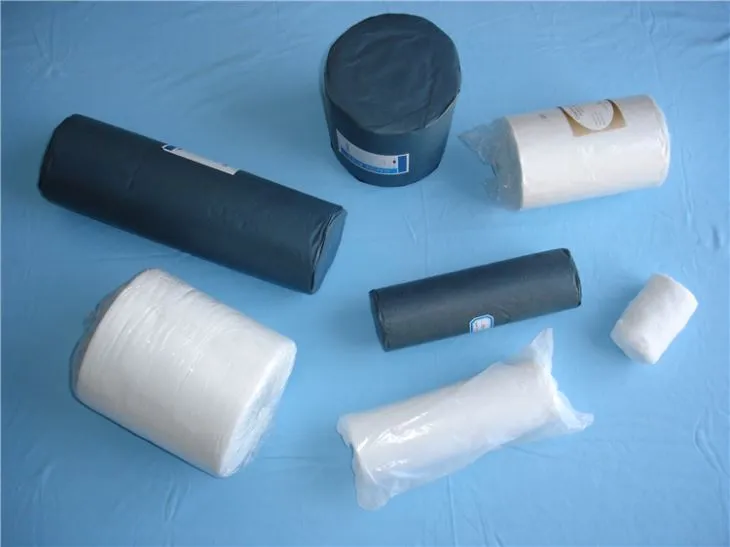
Dental rolls, available at Dental Roll, are cylindrical pieces of absorbent material, usually made of cotton, that are commonly used in dentistry. They are designed to absorb saliva, blood, and other fluids from the oral cavity, keeping the operative field dry and clear during dental procedures. Dental rolls come in various sizes and shapes to suit different dental applications.
The main benefits of dental rolls include their high absorbency, soft texture, and ease of use. They can be placed in specific areas of the mouth to isolate the operating site and prevent contamination from saliva or other oral fluids. Additionally, their flexible nature allows them to conform to the contours of the oral cavity, providing effective fluid management.
Can Dental Rolls Be Used for Alveoloplasty?
The answer is yes, dental rolls can be used for alveoloplasty, and they serve several important functions during the procedure:
1. Hemostasis
One of the primary functions of dental rolls during alveoloplasty is to assist with hemostasis, or the control of bleeding. After the bone has been reshaped, there is often bleeding from the surgical site. Dental rolls, with their high absorbency, can be placed directly on the wound to absorb the blood and promote blood clot formation. By applying gentle pressure, the dental rolls help to reduce blood flow and facilitate the natural clotting process.
2. Isolation
Dental rolls are also useful for isolating the surgical site from the rest of the oral cavity. During alveoloplasty, it is crucial to keep the area dry and free from contamination by saliva. By placing dental rolls around the alveolar ridge, the dentist can create a barrier that prevents saliva from reaching the surgical site. This isolation helps to maintain a clean and dry environment, which is essential for proper wound healing and infection prevention.
3. Comfort
In addition to their functional benefits, dental rolls can also enhance patient comfort during alveoloplasty. The soft, pliable texture of the dental rolls can help to cushion the patient's lips and cheeks, reducing discomfort and irritation. They can also absorb any excess fluid that may cause the patient to feel wet or uncomfortable during the procedure.
Types of Dental Rolls Suitable for Alveoloplasty
When selecting dental rolls for alveoloplasty, it's important to choose the right type and size. Cotton Wool Roll is a popular choice due to its natural absorbency and softness. The following factors should be considered:
Size
The size of the dental roll depends on the specific needs of the alveoloplasty procedure. Larger dental rolls may be used for broader areas of the oral cavity, while smaller dental rolls can be more precise for localized bleeding control or isolation.
Absorbency
High - absorbency dental rolls are preferred for alveoloplasty, as they can quickly absorb significant amounts of blood and other fluids. This reduces the need for frequent roll changes, allowing the procedure to progress more smoothly.
Density
The density of the dental roll can also impact its performance. A denser dental roll may provide better pressure distribution for hemostasis, while a less - dense roll may be more comfortable for the patient.
Best Practices for Using Dental Rolls in Alveoloplasty
To ensure the effective use of dental rolls during alveoloplasty, the following best practices should be followed:
Placement
Dental rolls should be placed as close to the surgical site as possible. They can be positioned along the buccal (cheek) and lingual (tongue) sides of the alveolar ridge to create a barrier against saliva. When using dental rolls for hemostasis, they should be placed directly on the bleeding wound and held in place with gentle pressure.
Changing Frequency
The dental rolls should be changed regularly to maintain their absorbency and effectiveness. The frequency of roll changes depends on the amount of bleeding and fluid production. In cases of heavy bleeding, the rolls may need to be changed every few minutes, while in less - severe cases, they may be changed every 10 - 15 minutes.
Hygiene
Proper hygiene is essential when using dental rolls during alveoloplasty. The dental rolls should be handled with clean hands or forceps to prevent contamination. After the procedure, all used dental rolls should be disposed of properly in accordance with medical waste disposal guidelines.
Conclusion
In conclusion, dental rolls can be a valuable tool during alveoloplasty. They play a crucial role in hemostasis, isolation, and patient comfort. As a Dental Roll supplier, I understand the importance of providing high - quality products that meet the specific needs of dental professionals. Our dental rolls are designed to be highly absorbent, soft, and easy to use, making them an ideal choice for alveoloplasty and other dental procedures.
If you're a dental professional interested in learning more about our Dental Rolls and how they can benefit your practice, I encourage you to reach out. We're happy to answer any questions you may have and discuss potential purchasing options. Together, we can ensure the success of your dental procedures and the comfort of your patients.
References
- Cohen, S., & Hargreaves, K. M. (2018). Pathways of the Pulp. Elsevier.
- Malamed, S. F. (2020). Handbook of Local Anesthesia. Elsevier.
- Newman, M. G., Takei, H. H., Klokkevold, P. R., & Carranza, F. A. (2019). Carranza's Clinical Periodontology. Elsevier.