








Hey there! As a Tourniquet CAT supplier, I've seen firsthand how these life - saving devices can make a huge difference. Today, I want to dig into how the Tourniquet CAT affects blood circulation.
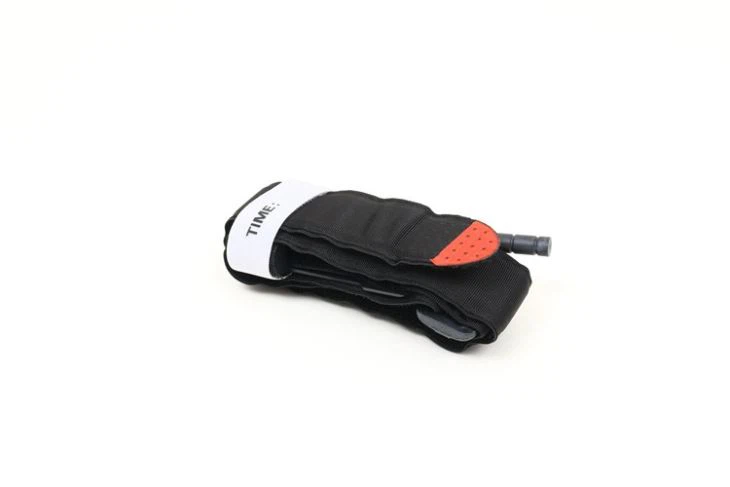
First off, let's understand what the Tourniquet CAT is. The Combat Application Tourniquet (CAT) is a widely used device in emergency situations, especially in military and pre - hospital care. It's designed to quickly and effectively stop severe bleeding from an extremity.
When it comes to blood circulation, the human body has a complex system. Blood is pumped by the heart through arteries, which carry oxygen - rich blood to different parts of the body. Then, it returns to the heart through veins. The normal blood flow is crucial for the proper functioning of cells, tissues, and organs.
So, how does the Tourniquet CAT fit into this picture? When you apply a Tourniquet CAT to an injured limb, its main goal is to cut off the arterial blood flow to the area below the tourniquet. The CAT has a windlass system. You wrap the band around the limb, then use the windlass to tighten it. As you keep turning the windlass, the pressure on the limb increases.
Once the pressure is high enough, it compresses the arteries in the limb. This compression blocks the flow of oxygen - rich blood from reaching the tissues below the tourniquet. It might sound a bit scary, but in a situation where there's severe bleeding, stopping the blood loss is the top priority. If the bleeding isn't stopped, a person can go into shock and even die.
Now, let's talk about the short - term effects on blood circulation. When the Tourniquet CAT is first applied, the immediate result is a complete halt of arterial blood flow below the tourniquet. The tissues in that area start to lose their supply of oxygen and nutrients. The cells in the tissues begin to switch to a more anaerobic mode of metabolism, which means they produce energy without oxygen. But this mode is less efficient and can only sustain the cells for a limited time.
In the first few minutes, the body's natural response is to try and compensate. The blood vessels above the tourniquet might dilate to increase the pressure and try to force blood past the blockage. However, the Tourniquet CAT is designed to be very effective, and usually, this natural compensation isn't enough.
As time goes on, the lack of oxygen can cause damage to the cells. The longer the tourniquet is on, the more severe the damage can be. After about 1 - 2 hours, muscle cells can start to break down, and nerve damage can also occur. This can lead to long - term problems like loss of muscle function and numbness in the limb.
But here's the thing. The Tourniquet CAT is meant to be a temporary measure. It's supposed to be used until proper medical help arrives. Once medical professionals take over, they will assess the situation. If possible, they'll try to release the tourniquet carefully to restore blood circulation.
When the tourniquet is released, it's like opening the floodgates. A large amount of blood rushes back into the limb. This sudden influx of blood can cause a few issues. The tissues that have been starved of oxygen are now exposed to a large amount of oxygen - rich blood. This can lead to a phenomenon called reperfusion injury. Reperfusion injury happens because the sudden return of oxygen can create free radicals, which are unstable molecules that can damage cells.
However, medical teams are trained to manage this. They might use certain medications and techniques to minimize the effects of reperfusion injury.
Now, let me introduce you to some of our products. We have the Colors CAT Tourniquet. It comes in a variety of colors, which can be useful for different identification purposes in a medical or military setting. And if you prefer a more classic look, we also offer the Black CAT Tourniquet.
If you're in the market for Tourniquet CATs, whether you're a medical professional, part of a military unit, or involved in emergency response teams, we're here to help. Our Tourniquet CATs are made with high - quality materials and are rigorously tested to ensure they work when you need them most.
We understand the importance of these devices in saving lives. That's why we're committed to providing the best products at competitive prices. If you're interested in purchasing our Tourniquet CATs, we'd love to have a chat with you. Reach out to us to start a procurement discussion. We can talk about your specific needs, quantities, and pricing.
In conclusion, the Tourniquet CAT has a significant impact on blood circulation. While it effectively stops severe bleeding by blocking arterial blood flow, it also comes with potential risks if left on for too long. But when used correctly as a temporary measure, it can be a life - saver. And if you're looking for reliable Tourniquet CATs, we're the suppliers you can trust.

References
- American College of Surgeons Committee on Trauma. Advanced Trauma Life Support (ATLS) Student Course Manual. 10th ed. American College of Surgeons; 2018.
- Holcomb JB, Stansbury LG, Champion HR. Combat casualty care at the front line and in the combat support hospital. Lancet. 2006;368(9548):1598 - 1604.