





Hey there! As a first aid bandage supplier, I often get asked all sorts of questions about our products. One question that pops up quite a bit is, "Can I use a first aid bandage on an insect bite?" Well, let's dig into this topic and find out.
First off, let's talk about what happens when you get an insect bite. When an insect like a mosquito, bee, or spider bites you, it injects some of its saliva or venom into your skin. This can cause all sorts of reactions, from a mild itch to a more severe allergic reaction. The most common symptoms include redness, swelling, itching, and pain at the site of the bite.
So, can a first aid bandage help with these symptoms? The short answer is, it depends. A first aid bandage can be useful in several ways when dealing with an insect bite.
One of the main benefits of using a first aid bandage on an insect bite is to protect the area. When you scratch an insect bite, you can break the skin, which can lead to an infection. By covering the bite with a bandage, you create a physical barrier that prevents dirt, bacteria, and other contaminants from getting into the wound. This can help reduce the risk of infection and promote faster healing.
Another reason to use a first aid bandage is to reduce itching. The pressure from the bandage can help soothe the itchiness associated with an insect bite. It's like giving the area a gentle hug, which can distract your brain from the itching sensation. Plus, if you're prone to scratching in your sleep or without even realizing it, a bandage can act as a reminder to keep your hands off the bite.
However, not all first aid bandages are created equal when it comes to insect bites. You want to choose a bandage that is breathable and allows the skin to breathe. This is important because if the skin can't breathe, it can become moist and create an environment where bacteria can thrive. Look for bandages made from materials like cotton or gauze, which are porous and allow air to circulate.
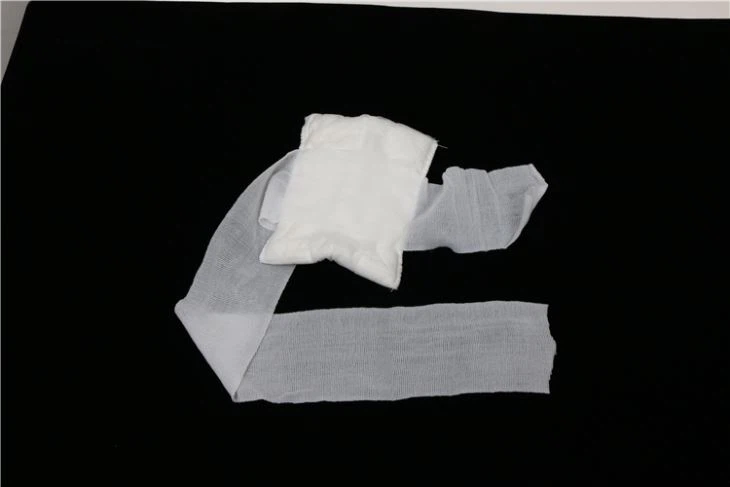
Let's take a look at some of the bandages we offer. Our 4 Inch First Aid Bandage is a great option for larger insect bites or multiple bites in one area. It provides a wide coverage area and can be easily wrapped around the affected limb or body part. The 4-inch width gives you plenty of room to secure the bandage without it feeling too tight.
On the other hand, our 3 Inch First Aid Bandage is more suitable for smaller bites or areas where you need a more precise fit. It's perfect for bites on fingers, toes, or other small areas of the body. The 3-inch width allows for a more targeted application and can be easily adjusted to fit the shape of the bite.
Now, let's go over the steps on how to use a first aid bandage on an insect bite. First, clean the area around the bite with mild soap and water. Pat the area dry with a clean towel. Then, apply a small amount of antiseptic cream or lotion to the bite to help reduce inflammation and prevent infection. Next, carefully place the bandage over the bite, making sure it covers the entire area. Smooth out any wrinkles or bubbles in the bandage to ensure a snug fit. Finally, secure the bandage in place with the adhesive strips or tape.
It's important to note that while a first aid bandage can be helpful in managing the symptoms of an insect bite, it's not a substitute for medical treatment. If you experience severe symptoms such as difficulty breathing, swelling of the face or throat, dizziness, or a rapid heartbeat, seek medical attention immediately. These could be signs of a serious allergic reaction, which requires prompt medical intervention.
In addition to using a first aid bandage, there are other things you can do to relieve the symptoms of an insect bite. Applying a cold compress to the bite can help reduce swelling and pain. You can use a cold pack, a bag of frozen vegetables, or even a wet washcloth soaked in cold water. Just make sure to wrap the cold compress in a thin towel to prevent direct contact with the skin.
Taking an over-the-counter antihistamine can also help reduce itching and swelling. Antihistamines work by blocking the effects of histamine, a chemical released by the body in response to an insect bite. Make sure to follow the instructions on the label and consult with a healthcare professional if you have any questions or concerns.
As a first aid bandage supplier, we're committed to providing high-quality products that meet the needs of our customers. Our bandages are designed to be durable, comfortable, and easy to use. Whether you're dealing with a minor insect bite or a more serious injury, we have the right bandage for you.
If you're interested in purchasing our first aid bandages, we'd love to hear from you. We offer a wide range of bandages in different sizes and styles to suit your specific needs. Whether you're a healthcare professional, a first responder, or just someone who wants to be prepared for emergencies, we can provide you with the products you need at competitive prices.
So, if you're looking for a reliable first aid bandage for insect bites or any other type of injury, don't hesitate to reach out. We're here to help you stay prepared and protected. Contact us today to discuss your requirements and start a conversation about how we can meet your needs.
References

- American Academy of Dermatology. (n.d.). Insect bites and stings. Retrieved from https://www.aad.org/public/diseases/a-z/insect-bite-treatment
- Mayo Clinic. (2023). Insect bites: First aid. Retrieved from https://www.mayoclinic.org/first-aid/first-aid-insect-bites/basics/art-20056635