






As a cotton ball supplier, I've often been asked a curious question: Do cotton balls attract dust? This seemingly simple query has sparked numerous discussions among consumers, cleaners, and even scientists. In this blog, we'll delve into the science behind cotton balls and their relationship with dust, exploring both the practical and theoretical aspects of this phenomenon.
The Nature of Cotton Balls
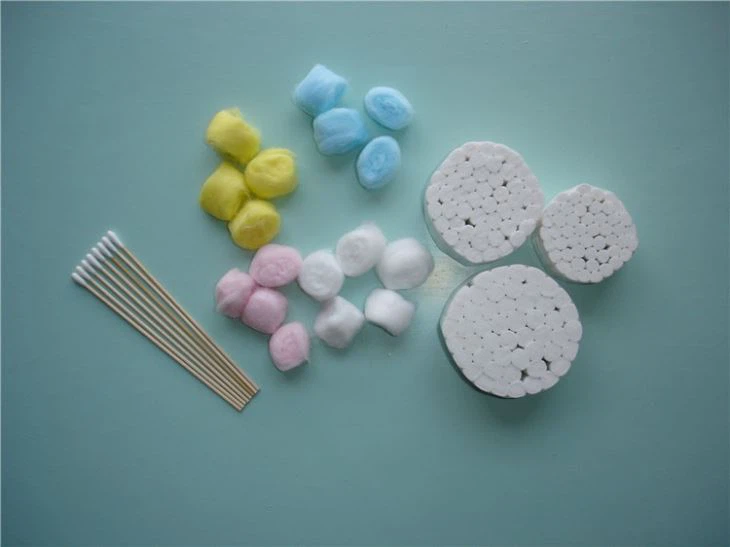
Cotton balls are made from natural cotton fibers, which are soft, fluffy, and absorbent. These fibers are typically processed to create a ball - shaped product that is widely used in various applications, from personal hygiene to cleaning. The structure of cotton fibers plays a crucial role in their interaction with dust.
Cotton fibers have a complex surface structure. Under a microscope, you can see that each fiber is covered with tiny protrusions and indentations. These micro - structures increase the surface area of the cotton, providing more opportunities for dust particles to adhere. Additionally, cotton fibers are electrostatically neutral under normal conditions. However, when they are rubbed against other materials, they can develop a static charge.
Electrostatic Attraction
Static electricity is one of the main factors that can cause cotton balls to attract dust. When a cotton ball is rubbed against a surface, electrons can be transferred between the cotton and the surface. This transfer creates an imbalance of charges, resulting in a static charge on the cotton ball.
Dust particles in the air often carry a small electrostatic charge. Opposite charges attract each other according to the laws of electrostatics. So, if a cotton ball has a static charge, it can attract dust particles with the opposite charge. This is similar to how a balloon rubbed against your hair can stick to a wall, attracting small dust and lint particles in the process.
For example, when you use a cotton ball to clean a hard - to - reach area, the friction between the cotton ball and the surface generates static electricity. As you move the cotton ball around, it starts to pick up dust like a magnet. This is a common observation in many households and workplaces, where cotton balls are used for delicate cleaning tasks.
Physical Entrapment
In addition to electrostatic attraction, cotton balls can physically entrap dust particles. The fluffy nature of cotton balls creates a maze - like structure. When dust particles come into contact with a cotton ball, they can get caught in the spaces between the fibers.
Think of a cotton ball as a net. The fibers act as the strands of the net, and the gaps between them are the holes. Small dust particles can easily become trapped in these gaps as they move through the cotton ball. This is especially true for larger dust particles or those with irregular shapes.
For instance, when you use a cotton ball to clean up a spill on a dusty surface, the cotton ball not only absorbs the liquid but also traps the dust that is mixed with the liquid. The more you press or rub the cotton ball, the more effectively it can capture and hold onto the dust.
Environmental Factors
The ability of cotton balls to attract dust can also be influenced by environmental factors. One of the most significant factors is humidity. High humidity levels can reduce the effectiveness of electrostatic attraction. Water molecules in the air can act as conductors, dissipating the static charge on the cotton ball more quickly.
In a dry environment, on the other hand, static electricity builds up more easily. This means that cotton balls are more likely to attract dust through electrostatic forces. For example, in a desert climate or during the winter months when indoor heating dries out the air, you may notice that cotton balls pick up more dust compared to a humid summer day.
Another environmental factor is air circulation. In a well - ventilated area, there is more movement of air and dust particles. This increases the chances of dust particles coming into contact with cotton balls. However, if the air circulation is too strong, it may also blow the dust away from the cotton ball before it can be attracted or trapped.
Applications in Cleaning
The fact that cotton balls can attract dust makes them a useful tool for cleaning. They are often used for precision cleaning in areas where traditional cleaning tools may not be suitable. For example, in electronics, where the use of harsh chemicals or large cleaning tools can damage sensitive components, cotton balls are a preferred choice.
You can moisten a cotton ball with a mild cleaning solution and use it to gently wipe the surface of electronic devices, such as keyboards, cameras, and smartphones. The cotton ball not only cleans the surface but also attracts and removes dust that has accumulated over time.
In the beauty industry, cotton balls are used for makeup removal. They can pick up makeup residues and dust from the skin, leaving it clean and fresh. The ability to attract dust also makes them effective in removing loose powder and other cosmetic particles from the face.
Quality of Cotton Balls
When it comes to using cotton balls for dust - attracting purposes, the quality of the cotton balls matters. High - quality cotton balls are made from pure, long - staple cotton fibers. These fibers are stronger and more durable, and they have a better ability to hold onto dust.
Lower - quality cotton balls may be made from a blend of fibers or have shorter, weaker fibers. These cotton balls may not be as effective in attracting and retaining dust. They may also shed fibers, which can leave behind lint and create a new source of dust.
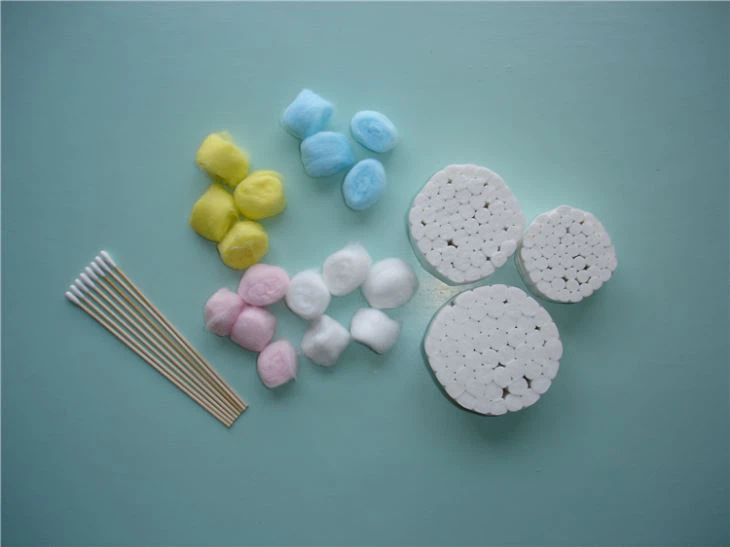
As a supplier, we offer a wide range of high - quality cotton balls, including Sterile Cotton Wool Ball and Cotton Wool Ball. Our products are carefully manufactured to ensure the best performance in dust - attracting and other applications.
Conclusion
In conclusion, cotton balls can attract dust through both electrostatic attraction and physical entrapment. The structure of cotton fibers, combined with environmental factors, determines how effectively they can attract and hold onto dust. This property makes cotton balls a valuable tool in various cleaning and personal care applications.
If you are interested in purchasing high - quality cotton balls for your cleaning, beauty, or other needs, we invite you to contact us for a purchase negotiation. We are committed to providing the best products and services to meet your requirements.
References
- "The Physics of Electrostatics," Physics Textbook, 3rd Edition
- "Cotton Fiber Properties and Their Impact on Product Performance," Journal of Textile Science, Vol. 15, Issue 2
- "Cleaning Techniques for Electronic Devices," Electronics Maintenance Magazine, April 2023