







Can I use cotton wool rolls for painting? This is a question that has piqued the curiosity of many artists, hobbyists, and DIY enthusiasts. As a supplier of high - quality Cotton Wool Roll, I'm here to delve deep into this topic and provide you with all the information you need.
Understanding Cotton Wool Rolls
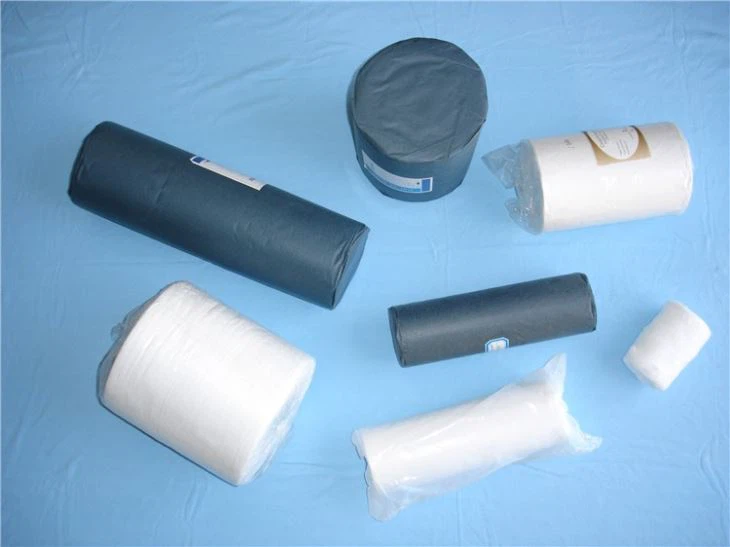
First, let's understand what cotton wool rolls are. These are soft, cylindrical rolls made from natural cotton fibers. They are highly absorbent, lightweight, and have a gentle texture. Commonly, they are used in various industries, such as in the medical field for wound care and as Dental Roll to keep the oral cavity dry during dental procedures. In the beauty industry, they are used for applying and removing makeup. But can they be used for painting?
Advantages of Using Cotton Wool Rolls for Painting
Absorbency
One of the most significant advantages of cotton wool rolls in painting is their absorbency. When working with wet media like watercolors or inks, the cotton wool roll can quickly soak up excess liquid. For example, if you've accidentally applied too much water to your watercolor paper, gently pressing a cotton wool roll against the wet area can help control the flow of the paint and prevent it from spreading uncontrollably. This gives you more precision and control over your painting.
Blending
Cotton wool rolls can be excellent tools for blending colors. Their soft fibers allow you to gently rub and blend different paint colors on the canvas or paper. You can create smooth transitions between colors, giving your painting a more professional and polished look. For instance, when painting a landscape with a gradient sky, you can use a cotton wool roll to blend the blues and purples together seamlessly.
Texturing
They can also be used to create unique textures in your paintings. By dabbing or pressing the cotton wool roll onto the wet paint, you can leave behind interesting patterns and textures. This can add depth and dimension to your artwork, making it more visually appealing. For example, if you're painting a rough - textured wall in a still - life, using a cotton wool roll to create a stippled effect can mimic the look of real plaster.
Types of Paint Suitable for Use with Cotton Wool Rolls
Water - based Paints
Water - based paints, such as watercolors, acrylics, and gouache, work very well with cotton wool rolls. Since cotton wool is highly absorbent, it can easily soak up the water in these paints. For watercolors, as mentioned earlier, the absorbency helps in controlling the flow of the paint. With acrylics, you can use the cotton wool roll to blend colors while the paint is still wet, or to create interesting textures once the paint has started to dry.
Oil Paints
Oil paints are a bit more challenging to work with using cotton wool rolls. Oil paints dry much slower than water - based paints, and the cotton wool roll may absorb some of the oil, which can change the consistency of the paint. However, in some cases, you can use a cotton wool roll to gently blend oil paints on the canvas, but you need to be careful not to over - absorb the oil.
Limitations of Using Cotton Wool Rolls for Painting
Lint
One of the main drawbacks of using cotton wool rolls for painting is the potential for lint. As you use the cotton wool roll on your painting, small fibers may come off and stick to the wet paint. This can be especially noticeable in smooth - finished paintings. To minimize this issue, you can pre - wash the cotton wool rolls to remove loose fibers before using them for painting.
One - time Use
Cotton wool rolls are generally designed for one - time use. Once they have absorbed a significant amount of paint, they may not be as effective for subsequent use. This can be a cost - factor to consider, especially if you're a professional artist who uses a large amount of painting materials.
Tips for Using Cotton Wool Rolls in Painting
Preparation
Before using a cotton wool roll for painting, make sure it is clean and free of any debris. If possible, pre - wash the roll to remove any loose fibers. You can also cut the cotton wool roll into smaller pieces depending on the size of the area you need to work on.
Application
When using the cotton wool roll to apply or blend paint, use gentle pressure. Too much pressure can damage the surface of your painting or cause the paint to spread too much. Start with a light touch and gradually increase the pressure as needed.
Storage
Store your cotton wool rolls in a dry and clean place. Exposure to moisture can cause the cotton to mold, which will render them useless for painting.
Case Studies: Artists Using Cotton Wool Rolls
There are many artists who have incorporated cotton wool rolls into their creative process. For example, Jane, a local watercolor artist, uses cotton wool rolls to control the flow of her watercolors in her floral paintings. She says that it has significantly improved her ability to create sharp and detailed petals. Another artist, Tom, who works with acrylics, uses cotton wool rolls to blend the colors in his abstract paintings. He finds that it allows him to achieve a level of smoothness that he couldn't get with traditional brushes.
Comparing Cotton Wool Rolls with Other Painting Tools
Brushes
Brushes are the most common painting tools, but cotton wool rolls offer some unique advantages. While brushes are great for detailed work and precise application of paint, cotton wool rolls are better for blending and creating large - scale textures. Brushes can also hold a limited amount of paint, whereas a cotton wool roll can absorb more paint and cover a larger area more quickly.

Sponges
Sponges are also used for blending and texturing in painting. However, cotton wool rolls are softer and more flexible than sponges. They can reach into smaller areas and create more delicate textures. Sponges may leave behind a more uniform texture, while cotton wool rolls can create more random and organic patterns.
Conclusion
In conclusion, cotton wool rolls can be valuable tools in your painting arsenal. They offer unique benefits in terms of absorbency, blending, and texturing, and can be used with a variety of paint types. While they do have some limitations, such as the potential for lint and one - time use, with proper preparation and technique, you can overcome these issues and create beautiful works of art.
If you're interested in exploring the use of cotton wool rolls in your painting projects, we, as a leading supplier of Cotton Wool Roll, offer high - quality products that are suitable for artistic use. We are always happy to discuss your specific needs and requirements. Whether you're a professional artist, a hobbyist, or someone just starting out in the world of painting, our cotton wool rolls can help you take your art to the next level. Contact us today to start a discussion about your procurement needs and let's create something amazing together.
References
- "The Artist's Handbook of Materials and Techniques" by Ralph Mayer
- "Acrylic Painting Techniques" by Mark Carder
- Online art forums and communities where artists share their experiences using various painting tools.