






Finding a training bandage that fits your budget can be a challenging task, especially with the plethora of options available in the market. As a training bandage supplier, I understand the importance of balancing quality and cost. In this blog, I'll share some insights on how to find the right training bandage without breaking the bank.
Understanding Your Needs
Before you start your search for a training bandage, it's crucial to understand your specific needs. Different types of training bandages serve different purposes, and knowing what you need will help you narrow down your options.
Types of Training Bandages
- 6 Inch Training Bandage: Ideal for larger areas of the body, such as the thigh or upper arm. The wider width provides more coverage and support. Click here to view our 6 Inch Training Bandage.
- Abdominal Training Bandage: Designed specifically for the abdominal area, these bandages offer targeted support and compression. They are often used in medical training scenarios. Explore our Abdominal Training Bandage.
- 4 Inch Training Bandage: A versatile option that can be used for various body parts, including the forearm, ankle, and knee. The 4-inch width provides a good balance between coverage and flexibility. Check out our 4 Inch Training Bandage.
Consider Your Training Environment
Think about where you'll be using the training bandage. If you're training in a medical facility, you may need bandages that meet certain standards and regulations. On the other hand, if you're using the bandages for personal fitness training, you may have more flexibility in your choices.
Evaluating Quality
While budget is an important factor, it's equally important to ensure that the training bandage you choose is of good quality. A low-quality bandage may not provide the necessary support and could even pose a risk to the user.
Material
The material of the training bandage plays a significant role in its quality. Look for bandages made from durable and breathable materials, such as cotton or polyester. These materials are comfortable to wear and can withstand repeated use.

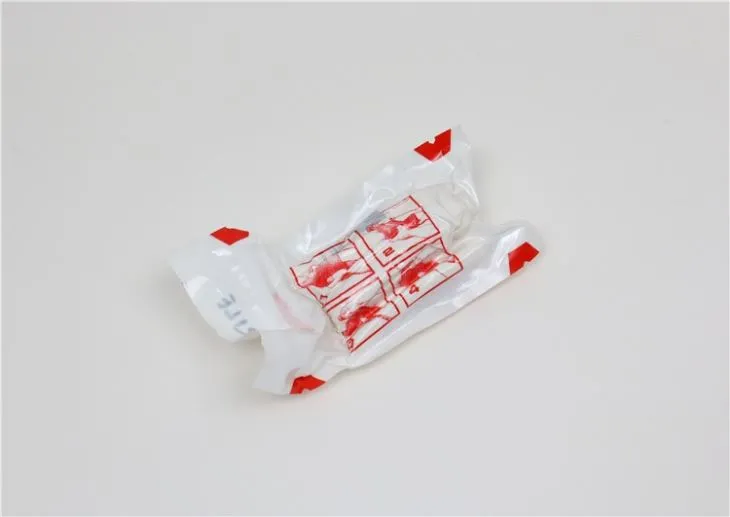
Adhesive
If the training bandage has an adhesive, make sure it's strong enough to hold the bandage in place but not so strong that it causes skin irritation. Test the adhesive on a small area of your skin before using the bandage for an extended period.
Construction
Check the construction of the bandage for any signs of weak seams or loose threads. A well-constructed bandage will be more durable and less likely to tear or come apart during use.
Comparing Prices
Once you've identified the type of training bandage you need and evaluated the quality, it's time to start comparing prices. Here are some tips to help you find the best deal:
Shop Around
Don't settle for the first training bandage you find. Take the time to compare prices from different suppliers. You can do this by visiting local medical supply stores, online retailers, or contacting training bandage manufacturers directly.
Look for Discounts and Promotions
Many suppliers offer discounts and promotions throughout the year. Keep an eye out for these deals and take advantage of them when they're available. You may also be able to negotiate a better price if you're buying in bulk.
Consider the Total Cost
When comparing prices, don't just look at the upfront cost of the training bandage. Consider the total cost, including shipping, taxes, and any additional fees. Sometimes, a slightly more expensive bandage may be a better deal in the long run if it offers better quality and durability.
Buying in Bulk
If you need a large quantity of training bandages, buying in bulk can often save you money. Many suppliers offer discounts for bulk purchases, so it's worth considering this option if you have the storage space and the budget.
Benefits of Buying in Bulk
- Cost Savings: Buying in bulk typically results in a lower cost per unit. This can add up to significant savings, especially if you're purchasing a large quantity of bandages.
- Convenience: Having a large supply of training bandages on hand means you won't have to worry about running out when you need them. This can be especially important if you're using the bandages for regular training sessions.
- Consistency: When you buy in bulk from the same supplier, you can ensure that you're getting the same quality and type of training bandage every time. This can be important for maintaining consistency in your training.
Considerations When Buying in Bulk
- Storage Space: Make sure you have enough storage space to store the bulk quantity of training bandages. You'll need to keep them in a cool, dry place to prevent damage.
- Expiration Dates: Check the expiration dates of the training bandages before buying in bulk. You don't want to end up with a large quantity of bandages that are about to expire.
- Return Policy: Before making a bulk purchase, familiarize yourself with the supplier's return policy. In case you're not satisfied with the product or if there's a problem with the order, you'll want to know your options for returning or exchanging the bandages.
Conclusion
Finding a training bandage that fits your budget is possible if you take the time to understand your needs, evaluate the quality, compare prices, and consider buying in bulk. As a training bandage supplier, I'm committed to providing high-quality products at competitive prices. If you have any questions or need help finding the right training bandage for your needs, please don't hesitate to contact us. We'd be happy to assist you with your procurement and discuss your specific requirements.
References
- Medical Bandage Standards and Regulations. (Year). [Publisher]
- Guide to Choosing the Right Training Bandage. (Year). [Publisher]
- Tips for Saving Money on Medical Supplies. (Year). [Publisher]