




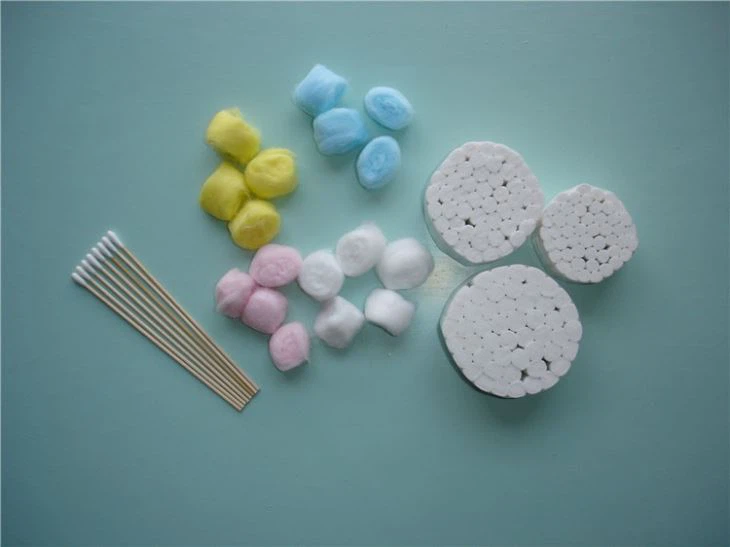
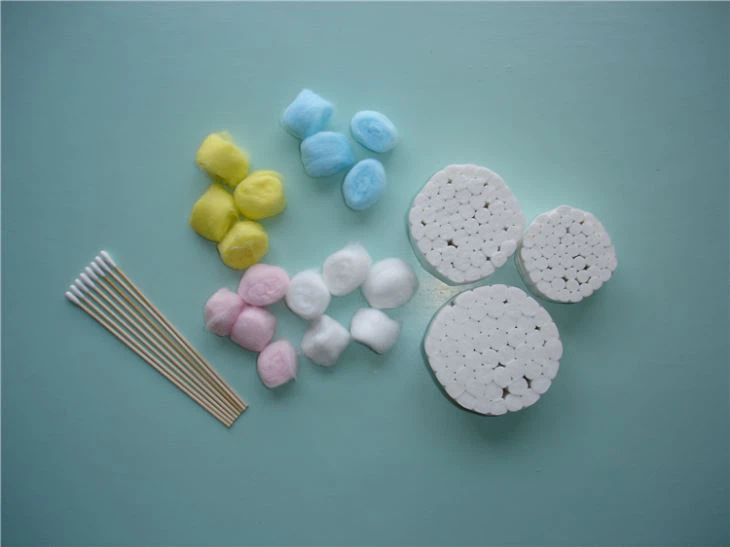
As a seasoned supplier of Cotton Wool Ball, I've spent years perfecting the art of creating the fluffiest cotton wool balls on the market. In this blog, I'll share some insights and techniques that can help you make your cotton wool balls even more fluffy. Whether you're a manufacturer looking to enhance your product quality or a consumer wanting to get the most out of your cotton wool balls, these tips will surely come in handy.
Understanding the Basics of Cotton Wool Balls
Before delving into the methods of making cotton wool balls fluffier, it's essential to understand what makes them fluffy in the first place. Cotton wool balls are typically made from natural cotton fibers. The fluffiness of these balls depends on the quality of the cotton, the processing techniques used, and the way the fibers are arranged. High - quality cotton with long, fine fibers tends to produce fluffier balls. During the manufacturing process, the fibers are carded, which aligns them in a parallel manner, creating a soft and airy texture.
Selecting the Right Cotton
The quality of the cotton you use is the foundation of fluffy cotton wool balls. Opt for long - staple cotton varieties such as Pima or Egyptian cotton. These types of cotton have longer fibers, which can be more easily separated and fluffed up. The longer fibers also provide more surface area for the ball to expand, resulting in a fuller and fluffier appearance.
When sourcing cotton, look for suppliers who can provide detailed information about the cotton's origin, quality, and processing methods. Organic cotton is also a great option as it is free from harmful chemicals and pesticides, which can sometimes affect the texture and fluffiness of the cotton wool balls.
Carding and Combing
Carding is a crucial step in the production of cotton wool balls. This process involves passing the cotton through a series of wire teeth to separate the fibers and align them in a parallel direction. Carding not only removes impurities from the cotton but also creates a more uniform and fluffy texture.
Combing can be used in conjunction with carding to further refine the cotton fibers. Combing removes the shorter fibers, leaving behind only the long, straight ones. This results in a higher - quality, fluffier cotton wool ball. Advanced carding and combing machines can significantly improve the fluffiness of the final product.
Loosening the Fibers
Once the cotton has been carded and combed, it's time to further loosen the fibers to increase fluffiness. One way to do this is by using a mechanical fluffer. A mechanical fluffer uses a series of rotating paddles or brushes to gently separate the fibers and create a more open and airy structure.
Another method is to use air - jet technology. Air jets can be directed at the cotton wool balls to blow the fibers apart, creating a fluffy and voluminous appearance. This method is particularly effective for large - scale production as it can be automated and adjusted to achieve the desired level of fluffiness.
Drying and Conditioning
Proper drying and conditioning are essential for maintaining the fluffiness of cotton wool balls. After the cotton has been processed, it should be dried to the appropriate moisture level. Over - drying can make the cotton brittle and less fluffy, while under - drying can lead to mold and mildew growth.
Conditioning the cotton wool balls with a small amount of moisture can also help to keep the fibers soft and flexible. A light misting of water can be applied to the balls, followed by gentle tumbling to distribute the moisture evenly. This can prevent the fibers from becoming too dry and brittle, ensuring a long - lasting fluffy texture.
Packaging and Storage
The way you package and store cotton wool balls can also affect their fluffiness. Avoid packaging the balls too tightly, as this can compress the fibers and reduce their fluffiness. Instead, use loose - fitting packaging that allows the balls to expand and retain their shape.
When storing cotton wool balls, keep them in a cool, dry place away from direct sunlight. Exposure to heat and humidity can cause the cotton to lose its fluffiness over time. Using air - tight containers can also help to protect the balls from dust and moisture, preserving their fluffy appearance.
Using Additives
In some cases, additives can be used to enhance the fluffiness of cotton wool balls. For example, a small amount of softening agent can be added during the manufacturing process. Softening agents can coat the cotton fibers, making them smoother and more flexible, which in turn can increase the fluffiness of the balls.
However, it's important to use additives carefully, as some chemicals can be harmful to the skin, especially if the cotton wool balls are used for cosmetic or medical purposes. Always choose additives that are safe and compliant with relevant regulations.
Quality Control
Implementing a rigorous quality control process is essential to ensure that your cotton wool balls are consistently fluffy. Regularly inspect the balls for fluffiness, density, and uniformity. Use standardized testing methods to measure the fluffiness, such as the volume - to - weight ratio.
If any issues are detected during the quality control process, take immediate steps to address them. This may involve adjusting the manufacturing process, changing the cotton source, or improving the packaging and storage conditions.
The Importance of Fluffiness in Sterile Cotton Wool Ball
For sterile cotton wool balls, fluffiness is not only important for aesthetic reasons but also for functionality. Fluffier sterile cotton wool balls can absorb more liquid, making them more effective for medical and hygienic applications. The open and airy structure of the fluffy balls allows for better penetration of the liquid, ensuring thorough cleaning and disinfection.
When producing sterile cotton wool balls, it's crucial to maintain the fluffiness throughout the sterilization process. Special care must be taken to ensure that the sterilization method does not damage the cotton fibers and reduce the fluffiness.
Conclusion
Making cotton wool balls more fluffy requires a combination of high - quality raw materials, advanced manufacturing techniques, and careful attention to detail. By selecting the right cotton, using proper carding and combing methods, loosening the fibers, and ensuring proper drying and conditioning, you can create the fluffiest cotton wool balls on the market.
If you're interested in purchasing high - quality, fluffy cotton wool balls or Sterile Cotton Wool Ball, I invite you to contact me for a procurement consultation. We are committed to providing the best products and services to meet your specific needs.
References
- "Cotton Production Manual" - A comprehensive guide on cotton cultivation, processing, and quality control.
- "Textile Science and Technology" - A textbook that covers the principles of textile production, including carding, combing, and fiber processing.
- Industry reports on cotton wool ball manufacturing and market trends.