



How do you separate clumped cotton wool balls? This is a common concern that many of us in the industry, including myself as a Cotton Wool Ball [/cotton-wool/cotton-ball/cotton-wool-ball.html] supplier, have encountered. In this blog, I'll delve into the reasons behind cotton wool balls clumping and share effective methods to separate them.
Why Do Cotton Wool Balls Clump?
Before we discuss separation techniques, it's crucial to understand why cotton wool balls clump in the first place. There are several factors that contribute to this issue.
Moisture: One of the primary culprits is moisture. Cotton is a highly absorbent material. If the storage environment has high humidity, the cotton wool balls will absorb the moisture from the air. As the cotton fibers absorb water, they become sticky and start to adhere to each other, forming clumps. For example, in a warehouse located near a humid coastal area or in a poorly ventilated storage space, the risk of moisture - related clumping is significantly higher.
Pressure: Another reason is the pressure exerted during packaging or storage. When cotton wool balls are packed tightly in boxes or containers, the weight of the upper layers presses down on the lower ones. This pressure can cause the fibers of adjacent cotton wool balls to entangle and stick together. Improper stacking of boxes during transportation can also exacerbate this problem.
Static Electricity: Under dry conditions, static electricity can build up on the cotton wool balls. The static charge causes the balls to attract each other, leading to clumping. This is especially common in winter when the air is drier, and the use of heating systems further reduces humidity levels.
Methods to Separate Clumped Cotton Wool Balls
Now that we know why cotton wool balls clump, let's explore some effective methods to separate them.
Manual Separation
This is the simplest and most straightforward method, suitable for small - scale separation.

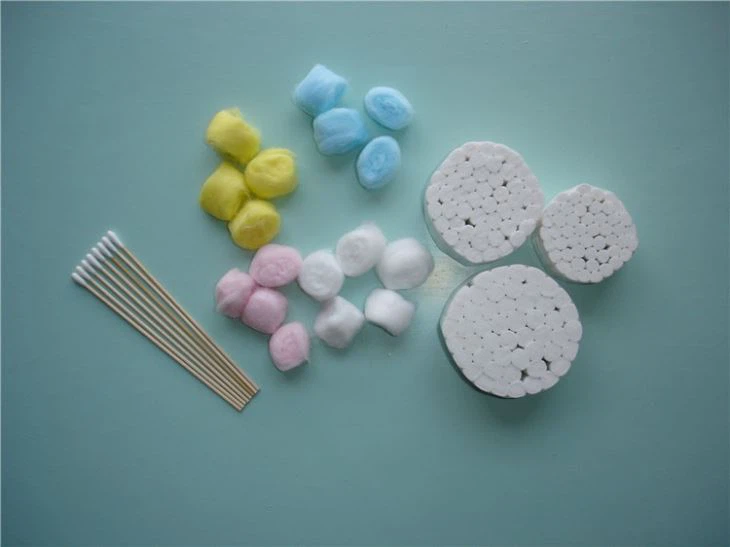
- Gently Pull Apart: Start by carefully picking up a clump of cotton wool balls. Use your fingers to gently pull the balls apart at the edges. Be patient and take your time, as rough handling can damage the cotton fibers. For example, if you have a small clump of three or four balls, you can slowly separate them one by one.
- Use a Fork or Tweezers: For stubborn clumps where the balls are tightly stuck together, a fork or tweezers can be helpful. Insert the fork tines or the tweezers between the cotton wool balls and gently pry them apart. This method requires a bit of dexterity, but it can be very effective.
Using Mechanical Agitation
If you need to separate a large quantity of clumped cotton wool balls, mechanical agitation methods can save time and effort.
- Shaking in a Container: Place the clumped cotton wool balls in a large, sturdy container. Close the container tightly and shake it vigorously. The movement will help to jostle the balls apart. You can use a plastic storage bin or a large cardboard box for this purpose. However, be careful not to shake too hard, as this may damage the cotton balls.
- Tumbling in a Drum: For industrial - scale separation, a tumbled drum can be used. A tumbler is a rotating container that moves the cotton wool balls around, causing them to separate from each other. This method is efficient and can handle a large volume of clumped balls in a relatively short period.
Anti - Clumping Treatment
To prevent cotton wool balls from clumping in the first place, anti - clumping treatments can be applied.
- Silicone Coating: A silicone - based coating can be applied to the cotton wool balls during the manufacturing process. The silicone forms a thin layer on the surface of the cotton fibers, reducing friction and preventing the balls from sticking together. This is a commonly used method in the production of high - quality [Sterile Cotton Wool Ball [/cotton-wool/cotton-ball/sterile-cotton-wool-ball.html]].
- Anti - Static Agents: Adding anti - static agents to the cotton wool balls can help to eliminate static electricity. These agents neutralize the static charge on the surface of the balls, preventing them from attracting each other. This is particularly useful in dry environments.
Quality Control and Storage Considerations
As a Cotton Wool Ball supplier, ensuring proper quality control and storage is essential to minimize clumping.
- Quality Control during Production: During the manufacturing process, strict quality control measures should be in place. This includes ensuring that the cotton used is of high quality, properly carded, and free from impurities. The manufacturing environment should also be maintained at optimal humidity levels to prevent premature clumping.
- Proper Storage Conditions: To prevent moisture - related clumping, store cotton wool balls in a dry, well - ventilated area. Use moisture - resistant packaging materials such as sealed plastic bags or containers. Avoid storing the balls in basements or areas prone to flooding. Additionally, stack the boxes carefully to avoid excessive pressure on the cotton wool balls.
Conclusion
Separating clumped cotton wool balls can be a challenging task, but with the right methods and preventive measures, it can be effectively managed. Whether you are a small - scale user or a large - scale distributor, understanding the causes of clumping and implementing appropriate separation and prevention techniques is crucial.
As a trusted Cotton Wool Ball supplier, we are committed to providing high - quality products that are free from clumping issues. If you are in the market for premium Cotton Wool Balls or Sterile Cotton Wool Balls, we would love to discuss your requirements. Feel free to reach out to us for a detailed consultation and to explore our product range. We look forward to the opportunity to serve you and become your reliable partner in the procurement of cotton wool products.
References
- Adams, J. (2019). "Cotton Fiber Properties and Their Impact on Product Quality." Journal of Textile Science.
- Brown, K. (2020). "Moisture Control in Storage of Absorbent Products." International Journal of Storage Management.
- Carter, S. (2021). "Anti - Static Technologies in Textile Production." Textile Industry Review.