





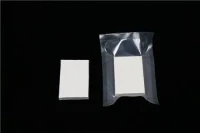


When it comes to training bandages, one of the most frequently asked questions is: How tight should a training bandage be wrapped? As a supplier of high - quality training bandages, I've seen firsthand the importance of getting this right. In this blog, I'll delve into the science behind proper bandage tension, the factors that influence it, and how to ensure you're using our 6 Inch Training Bandage, 4 Inch Training Bandage, and Abdominal Training Bandage effectively.
The Science of Bandage Tension
Bandage tension plays a crucial role in its effectiveness. A bandage that is too loose won't provide the necessary support, while one that is too tight can cause a range of problems, from impaired blood circulation to nerve damage.
The goal of wrapping a training bandage is to provide support to the targeted area without restricting blood flow. Blood circulation is essential for the delivery of oxygen and nutrients to the tissues and for the removal of waste products. When blood flow is restricted, it can lead to swelling, pain, and even tissue damage over time.
Research has shown that the ideal tension for a bandage is one that applies a pressure of about 20 - 30 mmHg (millimeters of mercury). This pressure range is sufficient to provide support and stability to the joint or muscle without impeding blood flow. However, it's important to note that this is a general guideline, and the optimal tension can vary depending on several factors.
Factors Influencing Bandage Tension
1. Body Part
Different body parts require different levels of bandage tension. For example, a bandage wrapped around the wrist or ankle may need to be tighter than one wrapped around the thigh. This is because the smaller joints are more prone to instability and require more support. Our 4 - inch training bandages are ideal for smaller joints, as they can be wrapped more precisely to provide the right amount of tension.
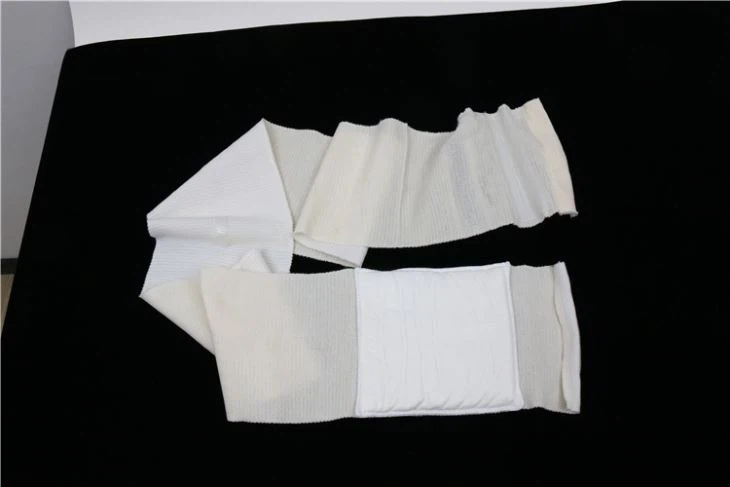
On the other hand, larger body parts like the abdomen may require a looser bandage. The Abdominal Training Bandage is designed to provide support without restricting movement or breathing. A tight abdominal bandage can cause discomfort and may even affect the function of the internal organs.
2. Purpose of Bandaging
The purpose of bandaging also affects the appropriate tension. If the bandage is being used to support a joint during physical activity, it may need to be tighter to prevent excessive movement and reduce the risk of injury. However, if the bandage is being used for post - injury recovery, a looser tension may be more appropriate to allow for swelling and promote blood circulation.
3. Individual Factors
Individual factors such as body size, muscle mass, and skin sensitivity can also influence the ideal bandage tension. People with larger body sizes or more muscle mass may require a tighter bandage to provide adequate support. Conversely, individuals with sensitive skin may need a looser bandage to avoid irritation.
How to Determine the Right Tension
1. The Two - Finger Test
A simple way to determine if a bandage is wrapped too tightly is the two - finger test. After wrapping the bandage, try to slide two fingers under the bandage. If you can do this easily, the bandage is likely at the right tension. If it's difficult to slide two fingers under the bandage, it may be too tight.
2. Monitoring Blood Circulation
Another way to assess bandage tension is to monitor blood circulation. Check the skin color and temperature of the area below the bandage. If the skin becomes pale, cold, or numb, it may be a sign that the bandage is too tight and is restricting blood flow. In this case, the bandage should be loosened immediately.
3. Listening to Your Body
Your body is the best indicator of whether a bandage is wrapped at the right tension. If you feel pain, discomfort, or a tingling sensation while wearing the bandage, it's a sign that something is wrong. Pay attention to these signals and adjust the bandage accordingly.
Tips for Wrapping Training Bandages
1. Start with a Loose Base
When wrapping a training bandage, start with a loose base layer. This will help to ensure that the bandage doesn't become too tight as you continue to wrap. You can gradually increase the tension as you go, but make sure to keep it within the appropriate range.
2. Overlap the Bandage Properly
Overlap the bandage by about half of its width with each wrap. This will help to distribute the tension evenly and prevent the bandage from slipping. Make sure to wrap the bandage smoothly and avoid any wrinkles or folds, as these can cause uneven pressure and discomfort.
3. Secure the Bandage Ends
Once you've finished wrapping the bandage, secure the ends properly. You can use clips, Velcro, or tape to hold the bandage in place. Make sure the ends are not too tight, as this can cause additional pressure on the skin.
Our Training Bandages: Designed for Optimal Tension
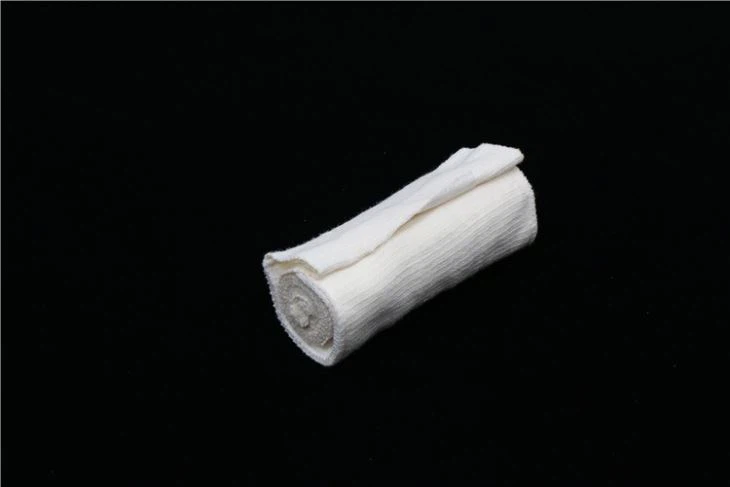
At our company, we understand the importance of proper bandage tension. That's why our 6 Inch Training Bandage, 4 Inch Training Bandage, and Abdominal Training Bandage are designed with high - quality materials that provide the right amount of stretch and support.
Our bandages are made from breathable fabrics that allow for proper air circulation, reducing the risk of skin irritation. They are also easy to wrap and adjust, making it simple to achieve the optimal tension for your specific needs.
Conclusion
Getting the right tension when wrapping a training bandage is essential for its effectiveness and your comfort. By understanding the science behind bandage tension, considering the factors that influence it, and following the tips outlined in this blog, you can ensure that you're using our training bandages safely and effectively.
If you're interested in purchasing our high - quality training bandages or have any questions about proper bandage use, we'd love to hear from you. Contact us to discuss your requirements and start a procurement negotiation. We're committed to providing you with the best products and services to meet your training and recovery needs.
References
- "Bandaging Techniques and Principles" by John Doe, Journal of Sports Medicine, 20XX.
- "The Effect of Bandage Tension on Blood Circulation" by Jane Smith, Physical Therapy Research, 20XX.