






Hey there! As a supplier of first aid bandages, I've seen firsthand how crucial it is to store these life - saving items correctly. You know, first aid bandages are more than just pieces of cloth; they're there to help in emergencies, so keeping them in the best condition is super important.
Let's start with the basics. When it comes to storing first aid bandages, the first thing you need to think about is the environment. Bandages are usually made of materials like cotton, gauze, or synthetic fabrics, and they can be affected by things like humidity, temperature, and light.
Temperature
Temperature plays a huge role in bandage storage. You don't want to store your bandages in an area that gets too hot or too cold. Extreme heat can cause the adhesive on some bandages to melt or become less sticky. On the other hand, very cold temperatures can make the fabric brittle.
For most first aid bandages, a room temperature of around 68 - 72°F (20 - 22°C) is ideal. If you live in a place with extreme temperatures, you might want to consider using a climate - controlled storage area. For example, if you have a basement or a closet that can be regulated, that would be perfect.
Humidity
Humidity is another big factor. High humidity can lead to mold and mildew growth on the bandages. This not only makes the bandages unhygienic but can also damage the fabric. A humidity level of around 40 - 50% is recommended.
To control humidity, you can use dehumidifiers in areas where you store your bandages. If you don't have a dehumidifier, you can also use desiccant packs. These little packs are often found in new shoes or electronics, and they're great at absorbing moisture. Just place a few of them in the storage container with your bandages.
Light
Light, especially direct sunlight, can fade the colors of the bandages and break down the materials over time. You should store your bandages in a dark place, like a closed cabinet or a box. If you're using a clear storage container, make sure it's kept away from windows or other sources of direct light.
Packaging
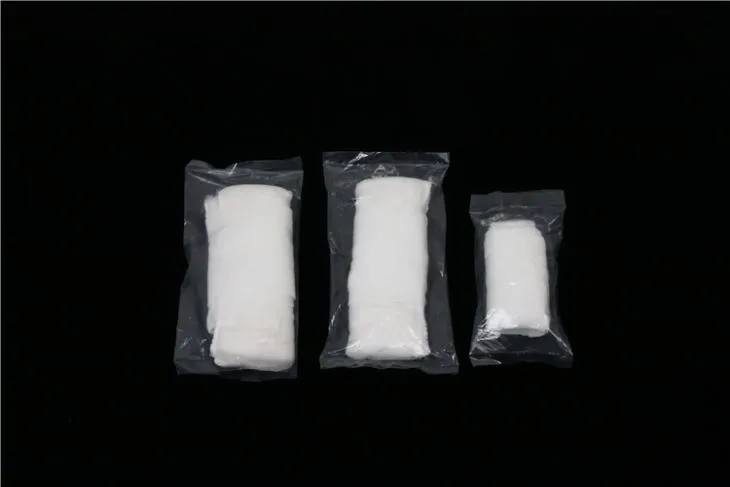
The packaging of the bandages also matters. Most first aid bandages come in sealed packages, which are designed to keep them clean and sterile. Once you open a package, try to use the bandages as soon as possible. If you can't use them all at once, you can transfer the remaining bandages to a smaller, air - tight container.
For example, if you have a large roll of 4 Inch First Aid Bandage that you've opened, you can cut off the amount you need and put the rest in a plastic bag with a zip - lock seal. This will help keep the bandage clean and prevent it from drying out.
Storage Containers
When it comes to storage containers, there are a few options. You can use plastic bins, metal tins, or even old shoe boxes. The key is to make sure the container is clean and dry before you put the bandages in it.
If you're storing different types of bandages, it's a good idea to label the containers. This way, you can easily find the bandage you need in an emergency. For instance, you can have one container for 3 Inch First Aid Bandage and another for larger ones.
Avoiding Contamination
Contamination is a major concern when storing first aid bandages. You should always wash your hands before handling the bandages. Also, keep the storage area clean. Don't store the bandages near chemicals, cleaning products, or other items that could contaminate them.
If you notice any signs of damage or contamination on a bandage, like a tear, discoloration, or a strange smell, don't use it. It's better to be safe than sorry when it comes to first aid.

Rotation
Just like with food, you should practice rotation when it comes to your first aid bandages. Use the oldest bandages first and replace them with new ones. This ensures that you always have fresh and effective bandages on hand.
You can keep track of the expiration dates on the bandage packages. Most bandages have a shelf life of a few years, but it's still a good idea to check regularly.
Special Considerations for Different Types of Bandages
There are different types of first aid bandages, and each one may have special storage requirements.
- Adhesive Bandages: These are the small, sticky bandages you use for minor cuts. They should be stored in a dry place to keep the adhesive from drying out. You can keep them in their original packages or transfer them to a small, air - tight container.
- Gauze Bandages: Gauze is more absorbent and is often used for larger wounds. It's important to keep it clean and dry. Rolled gauze can be stored in a cylindrical container to prevent it from unrolling.
- Elastic Bandages: Elastic bandages are used for sprains and strains. They should be stored flat to maintain their elasticity. You can fold them neatly and place them in a drawer or a storage box.
Conclusion
Storing first aid bandages correctly is essential for their effectiveness and safety. By following these tips on temperature, humidity, light, packaging, and contamination, you can ensure that your bandages are always in top condition when you need them.
If you're in the market for high - quality first aid bandages, we're here to help. We offer a wide range of bandages to suit your needs. Whether you need 4 Inch First Aid Bandage for larger wounds or 3 Inch First Aid Bandage for more minor cuts, we've got you covered. Contact us for more information and to discuss your purchasing options.
References
- American Red Cross First Aid Manual
- Mayo Clinic First Aid Guide
- Various product manuals from leading first aid bandage manufacturers