





Wound dressing is a crucial aspect of wound care, aiming to protect the wound from external contaminants, promote healing, and prevent infection. Among the various wound dressing materials available, gauze balls are a popular choice due to their absorbency, flexibility, and ease of use. As a reputable gauze ball supplier, we understand the importance of providing high - quality products and sharing knowledge on their proper usage. In this blog, we will guide you through the process of using a gauze ball for wound dressing.
Understanding Gauze Balls
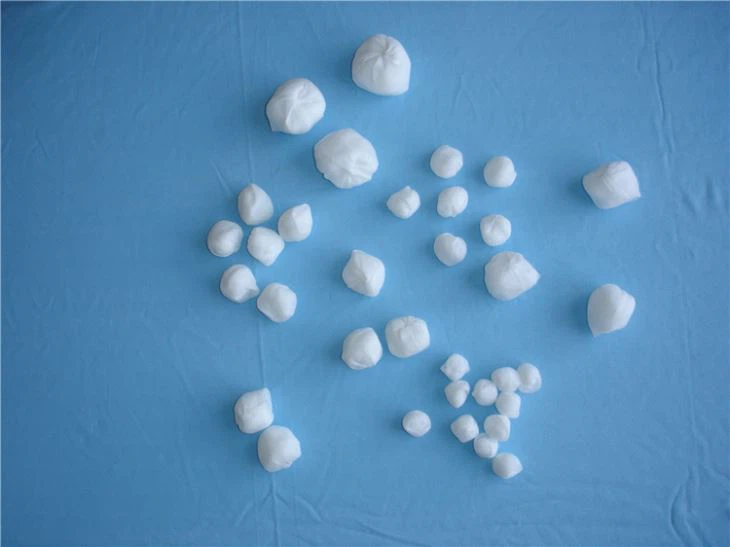
Gauze balls come in different types, each suitable for specific wound conditions. We offer Non - sterile Non - woven Gauze Ball, Non - sterile Gauze Ball, and Sterile Non - woven Gauze Ball. Non - sterile gauze balls are typically used for general cleaning and non - critical wounds where the risk of infection is relatively low. Sterile gauze balls, on the other hand, are essential for treating open wounds, surgical incisions, or any wound that requires a high level of cleanliness to prevent infection.

Preparing for Wound Dressing
Before using a gauze ball for wound dressing, it is essential to prepare the necessary materials and create a clean environment.
- Gather Supplies: You will need a clean pair of gloves, antiseptic solution (such as hydrogen peroxide or povidone - iodine), a pair of tweezers (if necessary), and the appropriate gauze balls.
- Wash Your Hands: Thoroughly wash your hands with soap and water for at least 20 seconds. This helps prevent the transfer of bacteria to the wound.
- Put on Gloves: Wear a clean pair of disposable gloves to maintain a sterile environment.
Cleaning the Wound
Proper wound cleaning is the first step in the dressing process.
- Remove Debris: If there is any visible debris or foreign objects in the wound, use a pair of tweezers to carefully remove them. Be gentle to avoid causing further damage to the wound.
- Clean the Wound: Moisten a gauze ball with the antiseptic solution. Gently wipe the wound and the surrounding area in a circular motion, starting from the center of the wound and moving outward. This helps remove dirt, bacteria, and any other contaminants.
Applying the Gauze Ball
Once the wound is clean, it's time to apply the gauze ball.
- Select the Right Size: Choose a gauze ball that is large enough to cover the wound completely. If the wound is small, a smaller gauze ball may be sufficient.
- Place the Gauze Ball: Gently place the gauze ball on the wound, ensuring that it covers the entire wound area. Press the gauze ball lightly to ensure good contact with the wound surface.
- Secure the Gauze Ball: If necessary, use medical tape or a bandage to secure the gauze ball in place. Make sure the tape or bandage is not too tight, as this can restrict blood circulation.
Changing the Dressing
Regularly changing the wound dressing is important to maintain a clean and healthy wound environment.
- Frequency: The frequency of dressing changes depends on the type and severity of the wound. For minor wounds, the dressing may be changed once a day. For more severe wounds, the dressing may need to be changed more frequently, as recommended by a healthcare professional.
- Removing the Old Dressing: When removing the old dressing, be gentle to avoid causing pain or damage to the wound. If the gauze ball is stuck to the wound, moisten it with a small amount of saline solution to make it easier to remove.
- Inspecting the Wound: After removing the old dressing, inspect the wound for any signs of infection, such as redness, swelling, or discharge. If you notice any of these signs, seek medical attention immediately.
- Applying a New Dressing: Repeat the steps of cleaning the wound and applying a new gauze ball as described above.
Tips for Using Gauze Balls
- Avoid Using Too Much Pressure: When applying the gauze ball, avoid using excessive pressure, as this can damage the delicate tissue around the wound.
- Keep the Wound Moist: While it is important to keep the wound clean, it is also important to keep it moist. Dry wounds can take longer to heal. You can use a moisturizing ointment or a wound - specific gel to keep the wound moist.
- Dispose of Used Gauze Balls Properly: Used gauze balls may contain bacteria and other contaminants. Dispose of them in a sealed plastic bag and throw them in the trash to prevent the spread of infection.
Conclusion
Using a gauze ball for wound dressing is a simple yet effective way to promote wound healing and prevent infection. By following the steps outlined in this blog, you can ensure that you are using the gauze ball correctly and providing the best possible care for your wound. As a trusted gauze ball supplier, we are committed to providing high - quality products that meet the needs of our customers. If you are interested in purchasing our gauze balls or have any questions about wound dressing, please feel free to contact us for more information and to discuss your procurement needs.
References
- "Wound Care Basics: A Guide for Consumers" by the American Academy of Dermatology.
- "Principles of Wound Management" from the World Health Organization.