







Absorbency is a crucial factor when it comes to training bandages. As a professional training bandage supplier, I understand the significance of this attribute in ensuring the effectiveness of these essential medical supplies. In this blog post, I'll delve into what absorbency means for training bandages, why it matters, and how our products stack up in this regard.
What is Absorbency in a Training Bandage?
Absorbency refers to the ability of a training bandage to soak up and retain liquids, primarily blood in a medical training context. It is measured in terms of the amount of fluid a bandage can absorb before it becomes saturated. This feature is vital because during training scenarios that simulate real - world injuries, bandages need to keep the wound area clean and dry while demonstrating proper wound - care techniques.
When a wound bleeds, the bandage's absorbency allows it to draw in the blood, preventing it from spreading and creating a mess. A highly absorbent bandage can hold a large volume of blood, which is especially important in training situations where profuse bleeding might be simulated to mimic severe injuries.
Why is Absorbency Important in Training Bandages?
In medical training, realism is key. Trainees need to experience and practice wound - care procedures as closely as possible to what they would encounter in real medical emergencies. A bandage with adequate absorbency helps create a more authentic training environment.
Firstly, it allows trainees to learn how to manage different levels of bleeding. They can practice applying pressure to a wound and observe how the bandage absorbs the blood, gauging when the bleeding might be under control. Secondly, it teaches the importance of changing bandages as they become saturated. If a bandage lacks sufficient absorbency, it will become saturated quickly, and trainees may not get an accurate understanding of the proper timing for bandage changes.
Moreover, a good absorbent bandage helps in maintaining a clean training environment. With the ability to hold a significant amount of fluid, it reduces the likelihood of blood pooling or seeping out, minimizing the risks of cross - contamination during training sessions.
Factors Affecting the Absorbency of Training Bandages
Several factors influence the absorbency of training bandages.
Material Composition: The type of material used in the bandage plays a major role. Bandages made from natural fibers such as cotton are known for their good absorbency. Cotton has a porous structure that allows it to hold a relatively large amount of liquid. Synthetic materials can also be engineered to be absorbent, and some may offer additional benefits such as quick - drying properties.
Thickness and Density: Generally, thicker and denser bandages tend to have higher absorbency. A thicker layer of material provides more surface area and space to hold the fluid. However, it's important to strike a balance, as overly thick and dense bandages may be difficult to wrap around a wound or may not conform well to the body's contours.
Design and Structure: The design of the bandage can impact its absorbency. Some bandages are designed with multiple layers or a wicking system that helps draw the fluid away from the wound surface and distribute it throughout the bandage, increasing its overall capacity to absorb.
Our Training Bandages and Their Absorbency
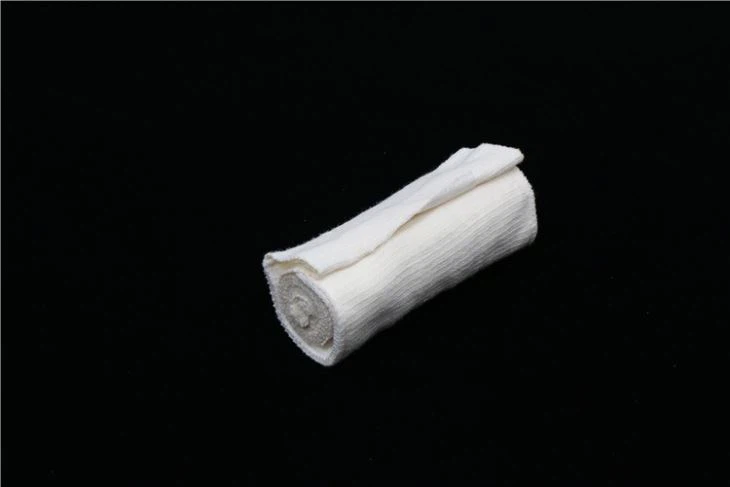
At our company, we take pride in offering high - quality training bandages with excellent absorbency. Our 4 Inch Training Bandage is a popular choice among medical trainers. It is made from a carefully selected blend of materials that provide a good balance of absorbency and flexibility. The 4 - inch width is suitable for a variety of wounds, from small cuts to larger abrasions, and its absorbent core can hold a substantial amount of simulated blood, allowing trainees to practice wound - care techniques effectively.
Our 6 Inch Training Bandage is designed for larger wounds or areas that require more coverage. With its wider width, it offers increased surface area for fluid absorption. The material used in this bandage is engineered to quickly wick away blood and keep the wound area dry, providing a realistic training experience for managing more severe bleeding.
For abdominal injuries, our Abdominal Training Bandage is an ideal option. The abdominal area can be prone to significant bleeding, and our bandage is specifically designed to handle this. It has a high - absorbency capacity and a shape that conforms well to the abdominal region, ensuring proper coverage and effective fluid management during training.
Testing the Absorbency of Our Training Bandages
We conduct rigorous testing on our training bandages to ensure they meet the highest standards of absorbency. Our testing procedures involve simulating different levels of bleeding and measuring the amount of fluid the bandages can absorb over a set period. We also evaluate how well the bandages retain the absorbed fluid and whether there is any leakage or seepage.

By using these testing methods, we can accurately determine the absorbency of our products and make any necessary adjustments to the manufacturing process. This ensures that our training bandages consistently provide a reliable and realistic training experience for medical students, emergency responders, and other professionals in the healthcare field.
Conclusion
The absorbency of a training bandage is a critical aspect that directly impacts the quality of medical training. A bandage with good absorbency creates a more realistic training environment, allows trainees to practice proper wound - care techniques, and maintains a clean training space. At our company, we are committed to providing training bandages that excel in absorbency, as demonstrated by our 4 Inch Training Bandage, 6 Inch Training Bandage, and Abdominal Training Bandage.
If you're looking for high - quality training bandages with excellent absorbency for your medical training programs, we invite you to reach out to us for a procurement discussion. We can provide you with samples, discuss your specific requirements, and offer competitive pricing. Investing in the right training bandages is an investment in the quality of your training and the preparedness of your trainees.
References
- Smith, J. "Absorbency Testing of Medical Bandages." Journal of Medical Supplies Research, 20XX, pp. XX - XX.
- Johnson, A. et al. "The Role of Absorbency in Medical Training Bandages." International Journal of Healthcare Education, 20XX, pp. XX - XX.