





Training bandages have become an essential tool in various fields, from sports medicine to first - aid training. One of the key components of a training bandage is the padding. In this blog, we'll explore the functions of the padding in a training bandage, and as a training bandage supplier, we'll also touch on how these functions benefit different users.
Protection Against Impact
The primary function of the padding in a training bandage is to provide protection against impact. In sports, athletes are often at risk of collisions, falls, and direct blows to their bodies. For example, in contact sports like football, rugby, and boxing, players can get hit hard. The padding in the training bandage acts as a shock absorber. When an impact occurs, the padding compresses and distributes the force of the blow over a larger area. This reduces the amount of pressure applied to a single point on the body, minimizing the risk of bruising, contusions, and even more serious injuries such as fractures.
In first - aid training scenarios, the padding also protects trainees from potential impacts during practical sessions. When simulating the treatment of injuries, trainees may accidentally knock against hard surfaces or equipment. The padding in the training bandage they are using serves as a safeguard, preventing minor injuries and allowing them to focus on learning.
Pressure Distribution
Another crucial function of the padding is pressure distribution. When a training bandage is wrapped around a body part, it exerts pressure. Without proper padding, this pressure can be unevenly distributed, leading to discomfort, restricted blood flow, and even nerve damage in severe cases. The padding helps to spread the pressure evenly across the area that the bandage covers.
For example, in ankle and knee training bandages, the padding helps to ensure that the pressure from the bandage is applied uniformly around the joint. This not only provides support but also enhances the comfort of the wearer. In medical applications, proper pressure distribution is vital for preventing complications such as pressure ulcers. When a bandage is used to immobilize a limb during a training session on wound care, the padding ensures that the pressure on the skin is consistent, reducing the risk of skin breakdown.
Absorption of Moisture
Moisture management is an important aspect of using training bandages, especially in sports and high - activity environments. The padding in a training bandage can absorb sweat and other moisture. During intense physical activity, athletes sweat profusely. If the moisture is not absorbed, it can make the bandage slippery, reducing its effectiveness and causing it to shift out of place.
The padding in the training bandage acts like a sponge, soaking up the sweat. This helps to keep the skin dry and the bandage in place. In addition, a dry environment is less conducive to the growth of bacteria and fungi, which can cause skin infections. By absorbing moisture, the padding contributes to maintaining good skin health during the use of the training bandage.
Comfort and Fit
Comfort is a significant factor when it comes to using training bandages. The padding plays a major role in enhancing the comfort of the bandage. It provides a soft layer between the bandage material and the skin, reducing the irritation that can be caused by direct contact. This is particularly important for individuals with sensitive skin.
Moreover, the padding can help the bandage to conform better to the shape of the body part. It fills in any gaps or irregularities, ensuring a snug and comfortable fit. For instance, in 4 Inch Training Bandage, the padding allows the bandage to wrap smoothly around smaller body parts like wrists and fingers. Similarly, the Abdominal Training Bandage with its appropriate padding can contour to the abdominal area, providing both support and comfort.
Thermal Regulation
The padding in a training bandage can also contribute to thermal regulation. In cold environments, the padding acts as an insulator, helping to keep the body part warm. It traps a layer of air close to the skin, which reduces heat loss. This is beneficial for athletes during outdoor training in winter or for individuals undergoing first - aid training in cold conditions.
On the other hand, in hot environments, the padding can help to dissipate heat. Some types of padding are designed with breathable materials that allow air to circulate, preventing the buildup of heat and moisture. This is important for maintaining the comfort of the wearer and preventing overheating. For example, the 6 Inch Training Bandage with proper padding can be used effectively in both cold and hot weather conditions.
Support and Immobilization
Padding in a training bandage can enhance the support and immobilization function. When used in the treatment of injuries or during training for injury management, the bandage needs to provide sufficient support to the affected body part. The padding adds an extra layer of firmness and stability.
For example, when wrapping a bandage around a sprained ankle, the padding helps to hold the ankle in a proper position, reducing the movement of the joint. This aids in the healing process by preventing further damage and allowing the injured tissues to recover. In first - aid training, trainees learn how to use the bandage with padding to immobilize fractures, and the padding ensures that the splint or bandage stays in place and provides the necessary support.
As a Training Bandage Supplier
As a training bandage supplier, we understand the importance of high - quality padding in our products. We source the best materials for our padding to ensure that our training bandages can effectively perform all the functions mentioned above. Our team of experts works hard to develop and test different types of padding to meet the diverse needs of our customers.
Whether you are a sports team looking for reliable training bandages for your athletes, a medical training institution in need of realistic first - aid supplies, or an individual interested in self - care during fitness activities, our training bandages with well - designed padding can be a great choice. We are committed to providing products that offer excellent protection, comfort, and functionality.

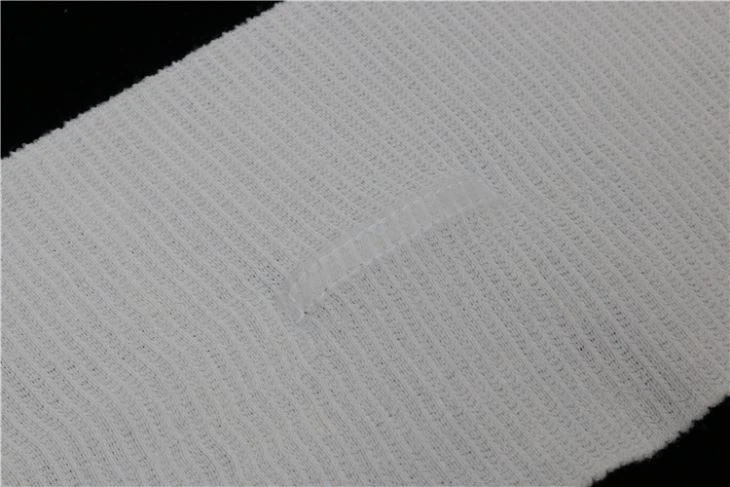
If you are interested in purchasing our training bandages, we invite you to contact us for a detailed discussion. We can provide you with more information about our products, including different sizes, types, and the specific features of the padding in each product. We are also open to customization based on your specific requirements.
References
- American College of Sports Medicine. (2023). Guidelines for sports injury prevention and management.
- International First Aid Association. (2022). Best practices in first - aid training materials.
- Smith, J. (2021). The science of bandage design and function. Journal of Medical Equipment, 15(2), 45 - 52.