






The range of motion (ROM) is a critical aspect of physical activity, influencing performance, injury prevention, and overall quality of life. As a dedicated supplier of Training Bandages, I've witnessed firsthand the diverse impacts these bandages can have on an individual's ROM. In this blog, I'll delve into the science behind it, sharing insights and real - world experiences to help you understand the relationship between training bandages and range of motion.
Understanding Range of Motion
Range of motion refers to the extent to which a joint can move in different directions. It is determined by various factors, including the structure of the joint, the flexibility of the muscles and tendons surrounding it, and the integrity of the ligaments. A full and unrestricted ROM is essential for activities of daily living, sports performance, and rehabilitation.
There are two main types of range of motion: active and passive. Active ROM is the movement a person can achieve by contracting their own muscles, while passive ROM is the movement that can be achieved when an external force, such as a therapist's hands, is applied.
How Training Bandages Work
Training bandages are designed to provide support and stability to muscles and joints. They are typically made from elastic materials that can stretch and conform to the body's shape. There are different types of training bandages available, such as the 4 Inch Training Bandage, the 6 Inch Training Bandage, and the Abdominal Training Bandage.
When a training bandage is applied, it exerts a gentle pressure on the underlying tissues. This pressure can help to reduce muscle vibration, which can lead to increased strength and stability. Additionally, the bandage can provide sensory feedback, helping the wearer to be more aware of their joint position and movement.
Positive Impacts on Range of Motion
1. Injury Prevention and Rehabilitation
One of the most significant impacts of training bandages on range of motion is in the area of injury prevention and rehabilitation. When recovering from an injury, the affected joint or muscle may be weak and unstable. A training bandage can provide the necessary support to allow for a controlled range of motion during the healing process.
For example, in cases of sprained ankles, a properly applied ankle training bandage can limit excessive movement, preventing further damage while still allowing for some degree of mobility. This helps to maintain the joint's ROM and prevent stiffness. In the rehabilitation phase, the bandage can gradually be adjusted to increase the ROM as the injury heals.
2. Muscle Activation and Support
Training bandages can also enhance muscle activation. By providing external support, the bandage can assist the muscles in maintaining their optimal length - tension relationship. This can lead to more efficient muscle contractions and improved force production.
For instance, in weightlifting, a knee training bandage can support the quadriceps and hamstrings muscles. This support allows the muscles to work more effectively, which can lead to an increased range of motion during exercises such as squats. The bandage helps to stabilize the knee joint, reducing the risk of injury and allowing for a greater range of movement.
3. Psychological Effect
There is also a psychological aspect to the use of training bandages. Knowing that a joint or muscle is being supported can give the wearer more confidence. This increased confidence can translate into a willingness to push the boundaries of their normal range of motion.
For example, an athlete who has previously suffered a shoulder injury may be hesitant to fully extend their arm during a throwing motion. However, wearing a shoulder training bandage can provide a sense of security, allowing them to perform the movement with greater ease and potentially achieve a larger range of motion.
Negative Impacts on Range of Motion
1. Over - restriction
If a training bandage is applied too tightly or is the wrong size, it can over - restrict the range of motion. This can lead to a decrease in muscle flexibility and joint mobility over time. For example, if an elbow bandage is wrapped too tightly, it may limit the elbow's ability to fully extend or flex.
2. Dependence
Over - reliance on training bandages can also lead to a decrease in range of motion. When the body becomes accustomed to the external support provided by the bandage, the muscles and ligaments may become weaker. This is because the body is not forced to work as hard to maintain stability and mobility.
Choosing the Right Training Bandage for Range of Motion
Selecting the appropriate training bandage is crucial to achieving the desired impact on range of motion. Consider the following factors:
1. Size
Ensure that the bandage is the correct size for the body part. A bandage that is too small will be too tight and restrictive, while one that is too large may not provide adequate support.
2. Material
Choose a bandage made from high - quality, breathable materials. Elastic materials that stretch and conform well to the body are ideal. This will ensure both comfort and functionality.
3. Intended Use
If the bandage is for injury prevention, a lighter - weight bandage may be sufficient. However, for rehabilitation or high - intensity activities, a more supportive bandage may be necessary.
Real - World Examples
I've had numerous customers share their experiences with our training bandages and their impact on range of motion. One customer, a runner, had been struggling with a calf strain. After using our 4 - inch training bandage, they reported that the pain was reduced, and they were able to increase their running stride, indicating an improved range of motion in their ankle and calf.
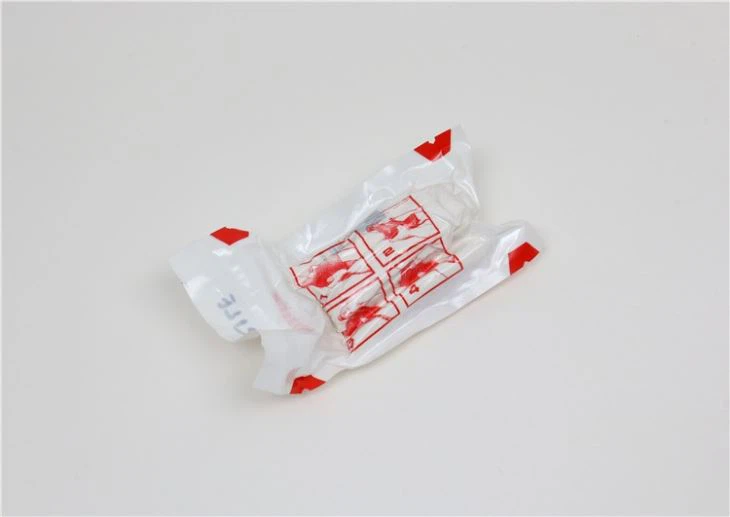

Another customer, a weightlifter, was experiencing knee pain during heavy squats. By using our 6 - inch training bandage, they were able to stabilize their knee joint and perform squats with a greater range of motion, leading to improved performance in the gym.
Conclusion
The impact of a training bandage on range of motion can be both positive and negative. When used correctly, training bandages can enhance range of motion through injury prevention, muscle activation, and psychological support. However, improper use can lead to over - restriction and dependence.
As a supplier of high - quality training bandages, we are committed to providing products that optimize the benefits while minimizing the risks. If you're interested in learning more about our training bandages and how they can impact your range of motion, or if you're considering purchasing them for your team, your rehabilitation center, or your personal use, we encourage you to reach out to us for a purchase discussion.
References
- Bandy, W.D., & Irion, J.M. (1994). The effect of time on static stretch on the flexibility of the hamstring muscles. Physical Therapy, 74(9), 845 - 850.
- Behm, D.G., & Chaouachi, A. (2011). A review of the acute effects of static and dynamic stretching on performance. European Journal of Applied Physiology, 111(11), 2633 - 2651.
- Knight, K.L. (2001). Prevention and treatment of acute soft - tissue injuries: RICE revisited. Physician and Sportsmedicine, 29(8), 29 - 37.