







When it comes to fitness and training, there are tons of tools out there to help us reach our goals. One tool that doesn't always get the spotlight but is super useful is the training bandage. As a training bandage supplier, I've seen firsthand how these bandages can make a big difference in various training scenarios. So, let's dive into when you should use a training bandage.
During Intense Physical Training
If you're into high - intensity workouts like weightlifting, CrossFit, or even long - distance running, a training bandage can be your best friend. When you're lifting heavy weights, your joints, especially your wrists and elbows, take a beating. A properly applied training bandage can provide extra support to these joints. For example, when you're doing bench presses or bicep curls, your wrists are under a lot of stress. Wrapping a 4 Inch Training Bandage around your wrist can help stabilize it, reducing the risk of injury.
In long - distance running, your ankles are constantly absorbing shock. A well - placed ankle bandage can help keep your ankle joint in alignment, preventing sprains and strains. It's like having an extra layer of protection for your hard - working body parts. And for those who do intense core workouts, an Abdominal Training Bandage can offer support to your abdominal muscles, helping you maintain proper form and reducing the chance of over - stretching.
For Injury Prevention
Even if you're not in the middle of a super - intense workout, training bandages can play a crucial role in injury prevention. If you have a history of joint problems or have previously suffered an injury in a particular area, wearing a bandage during your regular training sessions can give you that added peace of mind.
Let's say you had a minor shoulder injury a while back. Using a training bandage on your shoulder during your workouts can limit the range of motion slightly, preventing you from making any sudden, jerky movements that could re - injure the area. It's a simple way to protect yourself while still being able to train.
Post - Injury Rehabilitation
After an injury, getting back into training can be a tricky process. That's where training bandages come in handy again. During the rehabilitation phase, your body is still healing, and you need to be extra careful. A bandage can provide support to the injured area, allowing you to gradually increase your activity level.
For instance, if you had a knee ligament sprain, a knee bandage can help stabilize the joint as you start doing light exercises like walking or gentle knee bends. It helps reduce the stress on the healing ligament and promotes a more stable recovery. And as you progress in your rehabilitation, you can adjust the tightness of the bandage according to your needs.
In Different Sports
Different sports have different demands on the body, and training bandages can be customized to fit those needs. In martial arts, fighters often use hand and wrist bandages to protect their hands during punching and grappling. These bandages help distribute the force of impact evenly, reducing the risk of fractures and joint damage.
In basketball, players might use ankle bandages to prevent ankle rolls when making quick cuts and jumps. And in cycling, cyclists can use knee or elbow bandages to keep their joints warm and supported during long rides.

Choosing the Right Training Bandage
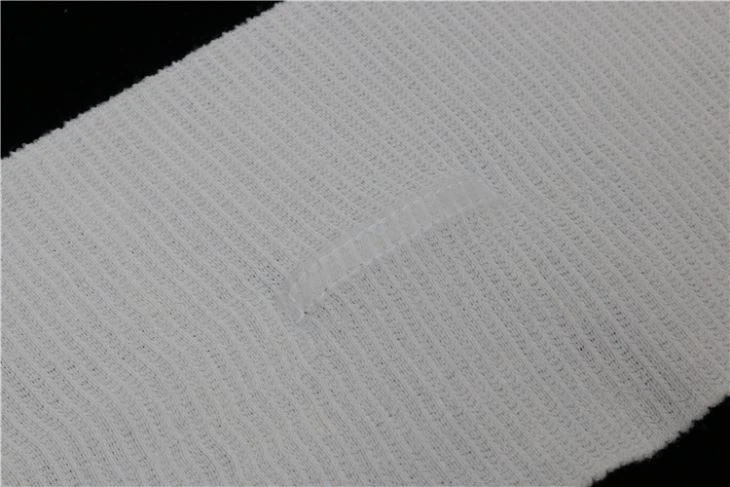
Now that we know when to use a training bandage, it's important to choose the right one. The size of the bandage matters a lot. For smaller joints like the wrists and fingers, a 4 Inch Training Bandage is usually sufficient. It provides just the right amount of support without being too bulky.
For larger joints like the knees, elbows, and abdomen, a 6 Inch Training Bandage might be more appropriate. It can cover a larger area and offer better stability.
The material of the bandage is also crucial. You want a bandage that is breathable, so your skin can breathe during your workouts. Elastic bandages are popular because they can stretch and conform to the shape of your body, providing a snug fit.
How to Apply a Training Bandage
Applying a training bandage correctly is just as important as choosing the right one. First, make sure the area where you're going to apply the bandage is clean and dry. Start by wrapping the bandage around the base of the joint or body part, and then gradually work your way up in a spiral pattern.
Don't wrap the bandage too tightly, as it can cut off circulation. You should be able to fit one or two fingers under the bandage comfortably. And if you feel any numbness, tingling, or excessive pain while wearing the bandage, you've probably wrapped it too tight and should adjust it.
The Benefits of Our Training Bandages
As a training bandage supplier, I can tell you that our products are top - notch. We use high - quality materials that are durable and comfortable. Our bandages are designed to provide maximum support while still allowing for a full range of motion. Whether you're a professional athlete or just someone who likes to stay active, our training bandages are a great addition to your fitness toolkit.
Conclusion
So, there you have it. There are many situations where using a training bandage is a smart move. Whether it's for injury prevention, during intense training, post - injury rehabilitation, or for specific sports, these bandages can make a big difference in your training experience.
If you're interested in learning more about our training bandages or are looking to make a purchase, don't hesitate to reach out. We're here to help you find the perfect bandage for your needs and support your fitness journey.
References
- American College of Sports Medicine. (2023). Guidelines for Exercise Testing and Prescription.
- National Athletic Trainers' Association. (2023). Position Statements on Injury Prevention and Rehabilitation.