




1. Bandage material selection and pretreatment
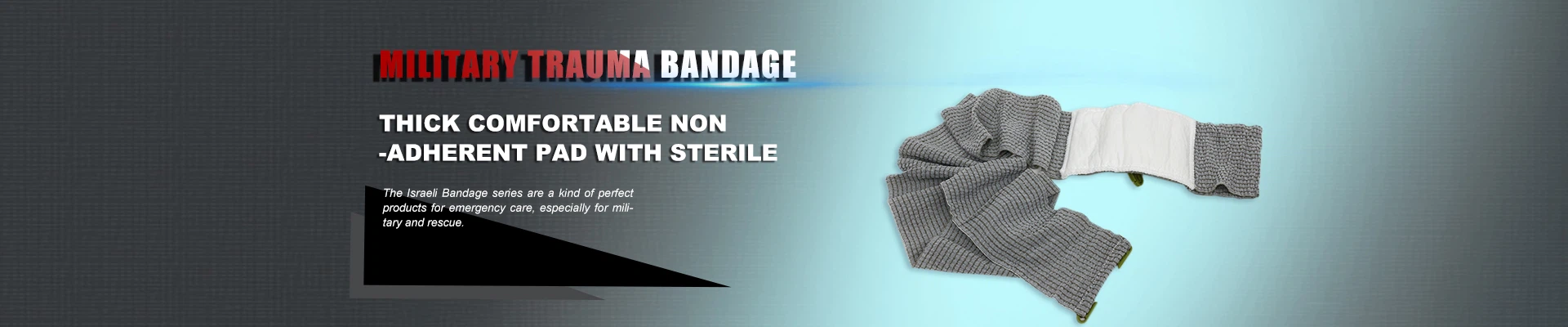
Usually, medical gauze or Band-Aid can be used in combination with bandages to protect wounds and reduce external bacterial contamination. If the bandage is rough or has fallen off, it is recommended to soak the bandage in iodine for disinfection before use, and then wrap it around the affected area.
2. Basic bandaging operation methods
Circular method: mostly used for wrists and parts of limbs with equal thickness. First, wrap the bandage in a circular overlapping manner, and the first circle is slightly oblique; the second and third circles are made into a ring, and the oblique angle of the first circle is pressed into the ring circle. Finally, fix the tail of the bandage with adhesive paste, or cut the tail into two heads and then tie a knot.
Snake method: mostly used for splint fixation. First, wrap the bandage several times according to the circular method, and then wrap it up or down obliquely according to the width of the bandage.
Spiral method: mostly used for limbs with equal thickness. First, wrap it several times according to the circular method, and each circle of the upper circle covers one-third or two-thirds of the previous circle in a spiral shape.
Spiral folding method: Applicable to limbs with different thicknesses. First wrap it in a circular manner, and when it is wrapped to the thicker part, fold each circle of bandage to cover one-third or two-thirds of the previous circle, and wrap it from bottom to top.
3. Precautions when bandaging
Too loose: If the bandage is wrapped too loosely, it may not achieve the desired effect, and it may not limit the excessive growth of scar tissue, but may cause infection and other situations.
Too tight: If the bandage is tied too tightly, it may cause blood circulation obstruction, thereby causing ischemic necrosis, and in severe cases, it may even cause different degrees of ischemic muscle contracture in the distal limbs. Especially for the limbs, due to the large number of nerve distribution and sensitive sensation, it should be noted to maintain a certain degree of tightness to promote blood circulation in the extremities. When tying a knot, do not tie it above the wound or behind the body, so as not to press it while sleeping and feel uncomfortable.
4. Maintenance after use
It is generally recommended to change the bandage once a day, and disinfect the skin again before each change to prevent bacterial growth.