


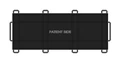



The prevention of scar hyperplasia with bandages can be achieved by using elastic bandages, silicone dressings, pressure therapy, regular skin management, and avoiding wound friction.
1. Elastic bandage wrapping
Elastic bandages limit tissue movement by providing uniform and moderate pressure, thereby reducing scar formation. Choose an appropriate size of elastic bandage to wrap around the affected area, and adjust the elasticity daily to maintain appropriate pressure.
2. Silicone dressing coverage
The silicone particles in silicone dressings stimulate local fibroblasts to secrete matrix proteins, promote normal epithelialization, and inhibit abnormal proliferation. After cleaning and drying, gently apply the silicone dressing to the damaged area and replace it according to the instructions or consult a professional in a timely manner.
3. Application of stress therapy
Stress therapy can reduce the levels of pro-inflammatory cytokines in the bloodstream and prevent overgrowth. Design and implement personalized plans using compression devices such as elastic socks and abdominal straps under the guidance of a physician.
4. Regular skin management
Regular skin management helps promote smooth wound healing and reduce the risk of irregular repairs. Including regular cleaning, moisturizing, and necessary topical medication, complete a series of procedures under the guidance of professional personnel.